
Why Is My Heat Pump Icing Up During The Winter?
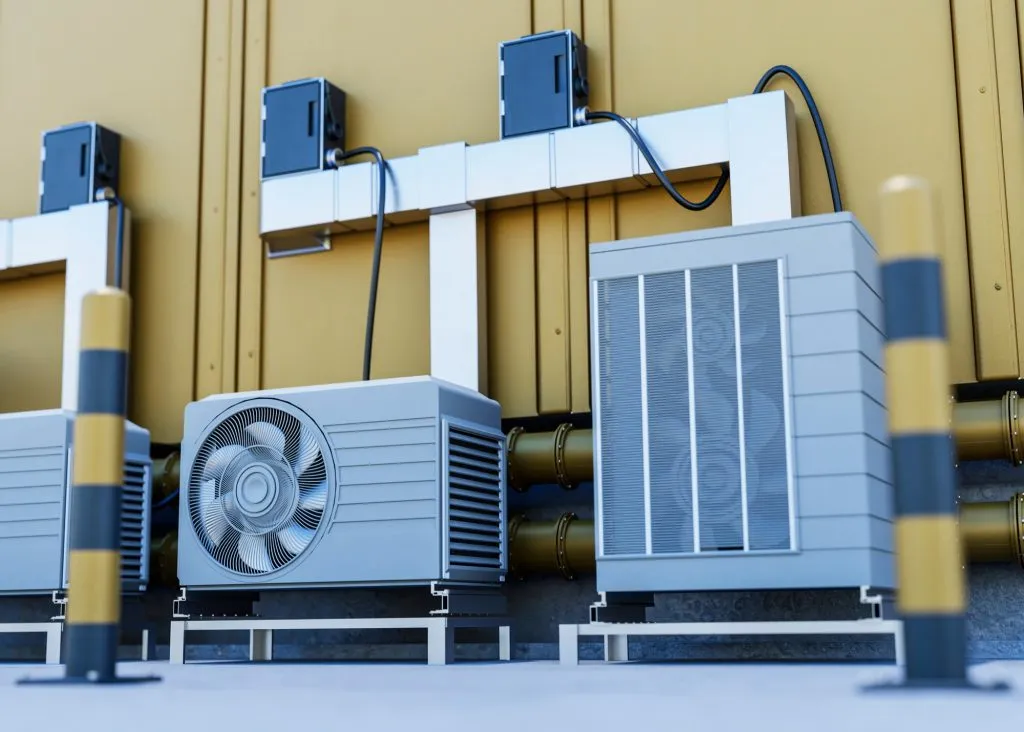
When temperatures drop in Toronto and across the GTA, it is normal to see some frost on an outdoor heat pump. But if you are constantly seeing heat pump icing up, or the unit becomes a solid block of ice that does not clear, it is a sign something is off. The outdoor coil is designed to run colder than the outdoor air in heating mode, so moisture in the air can freeze on contact. That part is expected. The problem starts when the defrost cycle cannot keep up, airflow is restricted, drainage is blocked, or the system is not operating in the right conditions for winter performance.
At Applied Energy HVAC, we help homeowners, property managers, and facility teams diagnose heat pump icing up issues quickly, because the longer ice builds, the harder your system works, the more your energy bills rise, and the higher the risk of comfort problems or equipment strain. This guide explains why heat pump icing up happens, what is normal vs not normal, how to troubleshoot safely, and when to call for Heat Pump Repair & Installation service.
What Is Normal Frost Versus A Serious Ice Buildup
A thin layer of frost that appears during cold, damp weather can be normal. In heating mode, the outdoor unit pulls heat from the outdoor air, and the coil can dip below freezing, so moisture freezes on the coil surface. That is why manufacturers build in a defrost cycle that periodically melts the frost. Normal frost usually looks light and even across the coil, and it clears during defrost without you needing to do anything.
Heat pump icing up becomes a concern when you see thick ice that covers the coil, fan grille, or the bottom pan, or when the ice stays for hours and keeps growing. If you notice the outdoor fan struggling, loud noises, reduced airflow, or indoor heat that feels weak, those are common signs the defrost process is not working correctly. A persistent heat pump icing up issue can also point to low refrigerant, a sensor fault, a control problem, or airflow restrictions.
Why Heat Pumps Frost In Heating Mode
Frost forms because the outdoor coil is acting like an evaporator in winter, absorbing heat from outdoor air. That process lowers the coil temperature. When air is humid, or when temperatures hover around freezing, frost can build quickly, making heat pump icing up more noticeable.
The Defrost Cycle Is Supposed To Fix This
During defrost, the system temporarily reverses operation to warm the outdoor coil and melt frost. You may see steam rising, and you may hear a change in sound. If defrost is not activating or not completing, heat pump icing up can escalate from light frost to heavy ice.
The Most Common Reasons Heat Pump Icing Up Gets Worse In Winter
Heat pump icing up usually traces back to a few root causes: poor airflow, poor drainage, defrost control issues, refrigerant problems, or installation and sizing issues. Winter adds extra stress because the system is already working harder, and small faults become big performance losses. The key is to identify what is preventing frost from clearing normally.
In many Toronto-area homes and buildings, we see heat pump icing up tied to basic outdoor unit problems such as blocked airflow from snow drifts, leaves, or ice around the base. We also see frozen condensate in the bottom pan or a blocked drain path that refreezes meltwater, turning the unit into an ice bowl. Another common factor is that people try to “help” by turning the unit off and on repeatedly, which can interrupt proper defrost logic.
Airflow Restrictions Around The Outdoor Unit
Outdoor units need clear space around them to move air. If the coil cannot breathe, the coil temperature can drop faster and frost can build faster, making heat pump icing up worse. Snow, fencing too close, stored items, or a unit installed in a tight alcove can all contribute.
Bottom Pan Ice And Drainage Freezing
During defrost, melted frost must drain away. If it cannot drain, it refreezes in the pan and builds upward. This is one of the fastest ways heat pump icing up becomes severe, especially during freeze thaw cycles.
How Defrost Problems Cause Heat Pump Icing Up To Persist
Defrost is a controlled process triggered by sensors, timers, and control logic. If those controls are not working correctly, the system may defrost too little, too late, or not at all. In that case, heat pump icing up keeps progressing until the coil is blocked and heat output drops.
A defrost failure can look like the unit running continuously with frost building, or short defrost cycles that do not clear the coil. It can also look like frequent defrost cycles that waste energy and still leave ice behind. Both patterns reduce efficiency. If you notice heat pump icing up and you also notice a spike in your hydro bill, defrost control issues are a strong suspect.
Faulty Sensors And Incorrect Coil Temperature Readings
Many systems use outdoor coil temperature sensors to decide when to defrost. If a sensor is out of calibration or failing, the system may not initiate defrost when needed, leading to heat pump icing up that never clears.
Control Board Or Wiring Issues
A control board problem or wiring fault can prevent the reversing valve, outdoor fan, or compressor logic from running the defrost sequence properly. These issues typically require professional diagnosis through Heat Pump Repair & Installation.
Refrigerant And Performance Issues That Lead To Heat Pump Icing Up
Low refrigerant can cause the outdoor coil to run colder than intended, which can accelerate frosting and create uneven ice patterns. If you see heat pump icing up mostly on one side of the coil, or if ice forms rapidly even in mild cold, refrigerant charge or metering issues may be involved. This is not a DIY fix because refrigerant handling must be done by certified professionals, and the real question is why charge is low in the first place.
Compressor performance also matters. If the compressor is not operating correctly, pressures and temperatures can drift out of range and defrost may not be effective. In commercial settings, we also see heat pump icing up tied to poor maintenance, dirty coils, and fan motor issues that reduce airflow across the coil.
Dirty Coils And Outdoor Fan Problems
A dirty coil acts like a blanket that reduces heat transfer. That makes the coil colder and increases frosting risk. If the fan motor or blade is weak or damaged, airflow drops and heat pump icing up becomes more likely.
When A Backup Heat Source Matters
In many systems, backup heat helps maintain comfort during defrost or very cold weather. If backup heat is not functioning, occupants may feel cold during defrost periods and assume the heat pump is failing. In some buildings, integrating Furnace Repair & Installation support is important if the backup heating source is a furnace that is not engaging properly.
Quick Checks You Can Do If Heat Pump Icing Up Looks Severe
If heat pump icing up appears heavy, you can do a few safe checks before calling for service. These steps are meant to reduce obvious causes without risking damage.
- Check that snow, leaves, and debris are cleared at least 18 to 24 inches around the outdoor unit
- Confirm the unit is level and not tilted into a corner where water collects
- Look for a clear drainage path under the unit so meltwater can drip away
- Confirm your thermostat is set to heat and not repeatedly changed up and down
- Replace or clean indoor filters so airflow is not restricted
- Check that supply vents inside are open and not blocked by furniture
- If the unit is fully encased in ice, turn the system off and call a professional rather than chipping ice away
Never use sharp tools to break ice off the coil, and never pour hot water directly on the outdoor unit. That can bend fins, crack parts, or create refreezing that worsens heat pump icing up.
How Weather, Humidity, And Location Make Heat Pump Icing Up More Likely
Toronto winters often bring a mix of damp air, lake-effect moisture, and temperatures hovering around freezing. Those conditions are ideal for frosting. Heat pump icing up is most common in the 0°C to 5°C range when humidity is higher and the coil temperature stays below freezing. Very cold, dry weather can actually reduce frost formation in some cases, although capacity can drop depending on the system design.
Where the outdoor unit sits also matters. Units placed under roof drip lines can collect extra water. Units placed in shaded corners can stay colder longer, increasing ice persistence. Units installed where snow piles up from shoveling or plowing are more likely to experience heat pump icing up and airflow blockages.
Placement And Clearance Guidelines Matter
Proper installation clearance is not just about code, it is about performance. If the unit cannot move air freely, heat pump icing up becomes a recurring issue that no amount of resetting will solve.
Wind And Exposure Effects
Strong wind can chill the coil and increase frost rate, while sheltered areas can trap moisture. A site-specific evaluation helps determine whether a simple relocation, stand adjustment, or wind baffle strategy could reduce heat pump icing up.
When Heat Pump Icing Up Means You Need Professional Service
If you have cleared airflow, replaced filters, and the unit still develops heavy ice, it is time for a deeper diagnostic. Persistent heat pump icing up can damage the coil, strain the compressor, and reduce heating capacity. It can also cause the system to run longer, pushing up energy costs. Professional service focuses on confirming defrost operation, verifying sensor accuracy, checking airflow and fan performance, and testing refrigerant pressures.
This is where Heat Pump Repair & Installation is the best internal link for your blog because the reader is likely looking for a fix, not just an explanation. In multi-system buildings, it can also be useful to reference Boiler Repair & Installation if the building relies on a boiler as a supplementary heating source or for hydronic backup that is not carrying the load during heat pump defrost periods.
Signs You Should Call Right Away
Call for service if you see repeated lockouts, loud grinding, fan not spinning, water leaking inside, or ice that returns within hours after clearing. These are strong indicators that the heat pump icing up issue is being driven by a mechanical, electrical, or refrigerant fault.
What A Technician Will Typically Check
A technician will verify defrost initiation, reversing valve operation, outdoor fan control, sensor readings, coil condition, and drain pan function. They may also check indoor airflow and thermostat setup because indoor restrictions can contribute to heat pump icing up indirectly.
How To Reduce Heat Pump Icing Up With Better Maintenance And Operation
Prevention is usually cheaper than emergency repairs. Regular maintenance helps keep the coil clean, ensures the outdoor fan operates correctly, and confirms sensors and controls are working. It also helps catch small refrigerant leaks before they create major performance problems. If you want to reduce heat pump icing up events, the most reliable plan is seasonal service plus simple winter habits like clearing snow and keeping airflow open.
Government of Canada resources on energy efficiency can help building owners understand how heating equipment choices and maintenance relate to overall energy performance.
Operational Habits That Help In Winter
Keep your thermostat settings steady. Avoid frequent large setpoint swings because they can trigger longer runtimes and more aggressive cycling. Also, keep indoor airflow strong with clean filters, open vents, and unobstructed returns so the system can run efficiently and reduce the conditions that contribute to heat pump icing up.
When Supplemental Heat Should Be Reviewed
If your system has auxiliary heat, make sure it is configured correctly. In some properties, a furnace or boiler supports comfort during extreme weather or during defrost. Ensuring that support system is reliable, through Furnace Repair & Installation or Boiler Repair & Installation, can reduce complaints and reduce stress on the heat pump.
Why Choose Applied Energy HVAC
Heat pump icing up can be normal in light frost conditions, but heavy ice buildup is a performance and reliability issue that should be handled correctly. Applied Energy HVAC helps clients across Toronto and surrounding areas diagnose why heat pump icing up is happening, correct the underlying cause, and restore stable winter heating. Our approach focuses on real system behavior, not guesses, so you can protect comfort, control operating costs, and avoid recurring winter breakdowns.
Applied Energy HVAC supports Heat Pump Repair & Installation for homeowners and commercial properties dealing with winter ice issues, and we also provide Boiler Repair & Installation and Furnace Repair & Installation when your property relies on multiple heating systems. If your heat pump is part of a broader comfort plan, we help ensure every piece works together, especially when outdoor conditions are harsh and heat pump icing up symptoms start to appear.
Stop Ice Buildup Before It Becomes A Breakdown
Seeing some frost is part of winter operation, but heat pump icing up should not turn into a solid ice shell. When ice becomes thick, persistent, or fast-growing, it usually points to airflow problems, drainage refreezing, defrost control issues, or refrigerant and component faults. Start with safe basics like clearing snow, checking filters, and confirming airflow. If the issue continues, avoid repeated resets or manual ice removal and get a professional inspection.
If you are dealing with heat pump icing up in Toronto or the GTA, Applied Energy HVAC can help you get answers quickly and restore reliable heating. With the right diagnosis and maintenance plan, most icing problems can be reduced significantly, improving comfort and protecting your equipment through the toughest winter weeks.
Frequently Asked Questions
Why is my heat pump icing up when it is only slightly below freezing?
Heat pump icing up is common around freezing temperatures because humidity is higher and the outdoor coil runs cold, so frost forms quickly.How often should a defrost cycle run if heat pump icing up is normal?
Defrost frequency varies by model and conditions, but if heat pump icing up never clears or defrost runs constantly, the system may have a control or sensor issue.Is heat pump icing up dangerous for the equipment?
Light frost is normal, but heavy heat pump icing up can block airflow, reduce heat output, and strain components like the compressor and fan.Can a dirty filter cause heat pump icing up outside?
Yes. Restricted indoor airflow can change system pressures and operating behavior, which can contribute to heat pump icing up and poor defrost performance.Should I chip ice off the coil if heat pump icing up becomes severe?
No. Chipping ice can damage the coil fins and tubing. If heat pump icing up is heavy, turn the system off and call a professional.Does low refrigerant cause heat pump icing up?
It can. Low refrigerant can make the coil run colder and frost faster, so heat pump icing up may be a symptom of a leak or charge problem.When should I call for service about heat pump icing up?
Call if heat pump icing up becomes thick, returns quickly after clearing, the fan is not spinning, or the unit repeatedly locks out or cannot maintain indoor comfort.