
How To Reset Your Boiler After A Power Outage?
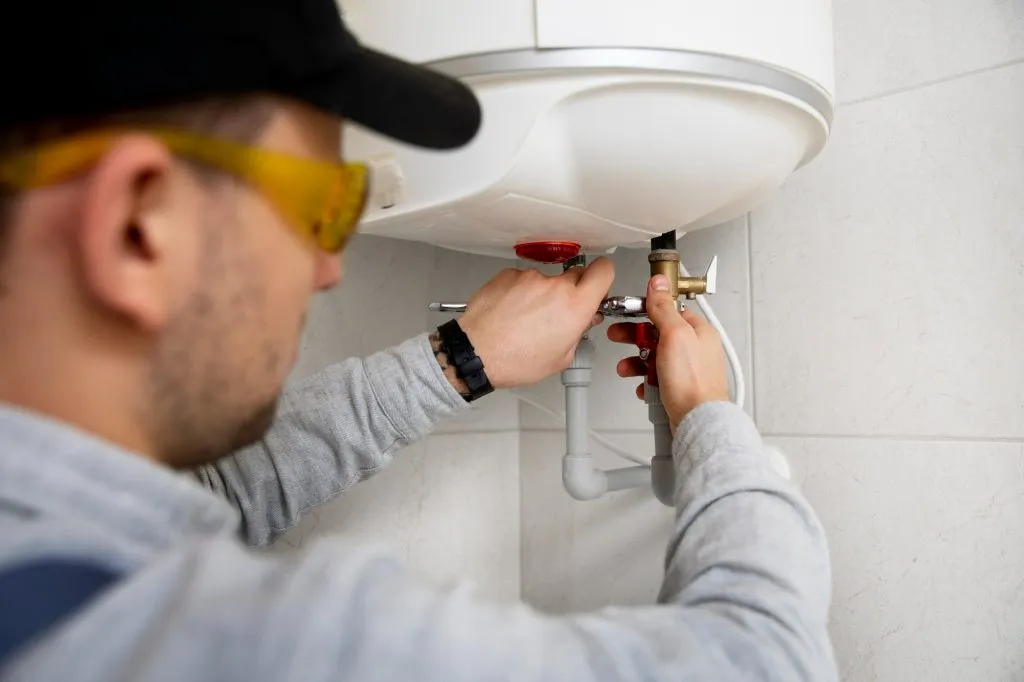
A winter storm knocks out power, your building goes dark, and the boiler room suddenly becomes the center of attention. In many commercial properties and multi-unit buildings, a power outage can interrupt ignition, reset safety controls, and trigger lockouts that stop heat from coming back on automatically. Knowing how to reset your boiler after outage safely can help you restore heat faster and avoid preventable damage.
At Applied Energy HVAC, we get calls every season from Toronto-area property managers and facility teams dealing with the same issue: the power returns, but the boiler does not. The good news is that many lockouts are simple to clear if you follow a safe process, verify critical conditions, and know when to stop and call a licensed technician. This guide explains how to reset your boiler after outage step by step, with safety checks, troubleshooting tips, and prevention strategies that protect your equipment and your occupants. Understanding how to reset boiler after outage is crucial for all property managers.
Safety First Before You Reset Anything
Before you attempt to reset your boiler after outage, treat the situation like a safety event, not a convenience task. Power outages can cause electrical surges, control glitches, and interrupted combustion cycles. Boilers also include safety devices that intentionally stop operation when something is abnormal, such as low water pressure, blocked venting, ignition failure, or flame detection issues. If you reset without checking conditions, you can trigger repeated lockouts, stress components, or create unsafe combustion scenarios. Always remember to reset boiler after outage with caution.
The Government of Canada recommends being prepared for power outages and highlights risks like extreme cold exposure and carbon monoxide concerns during extended outages. In practical terms, that means your first priority is verifying that the area is safe, that ventilation pathways are clear, and that no one is attempting unsafe temporary heating methods. If your property uses any fuel-burning backup equipment or generators, follow strict carbon monoxide safety guidance and keep combustion sources outside and away from openings.
Confirm The Boiler Room Is Safe To Enter
Check for unusual odours, visible water leaks, scorch marks, or signs of electrical damage near panels and controls. If you smell gas, leave the area, stop immediately, and follow your local emergency procedure.
Protect People And Property First
If the building is losing heat quickly, prioritize freeze protection steps like closing exterior doors, protecting vulnerable plumbing, and isolating drafty areas. Restoring heat is important, but a rushed reset boiler after outage attempt is not worth a safety risk.
What Usually Happens To Boilers During A Power Outage
A power outage can interrupt the boiler in the middle of ignition, fan pre-purge, or a call for heat. When power returns, some boilers restart automatically, but others enter a safety lockout that requires manual intervention. That lockout is not a defect. It is the control system telling you something did not complete correctly, or that it detected a condition it did not like when power came back.
In commercial and multi-residential properties, the impact can vary based on boiler type, control architecture, and how the system is staged. Condensing boilers, atmospheric boilers, and larger modular boiler banks can all behave differently after an outage. A building automation system may also add complexity if it needs time to resynchronize schedules and setpoints. The best way to reset boiler after outage reliably is to understand that the reset is often the final step, not the first step.
Common Post-Outage Lockout Causes
Typical causes include low system pressure, air in the hydronic loop, flame safeguard lockout, a tripped breaker, a blown fuse, or a control that did not reboot cleanly. These causes are often easy to verify with a consistent checklist.
Why Repeated Resets Are A Red Flag
If you reset boiler after outage and the unit locks out again, do not keep resetting. Multiple resets can mask the real issue, increase wear, and delay the fix. A second lockout is your signal to troubleshoot deeper or call a professional.
Before You Reset Your Boiler After Outage, Do These Checks
When you reset boiler after outage, your goal is to confirm the boiler has the basics it needs to operate safely: stable power, proper water pressure, a call for heat, and no active safety faults that would immediately trigger another lockout. Most boilers make this easier than people think because their display will show an error code or status message. Take a photo of any code before you clear it. That single detail can save time if you need service.
This is also where many building teams save money. A thoughtful pre-check can prevent unnecessary emergency callouts and prevent a simple issue from turning into a no-heat escalation. In Toronto and the GTA, we often see issues like low water pressure after an outage because pumps did not restart correctly, or because a small leak becomes obvious once circulation resumes. Taking five minutes to verify conditions makes the reset boiler after outage process much smoother.
Quick Checklist Before Resetting
- Confirm power is stable and the boiler breaker is on
- Verify thermostat or BAS is calling for heat
- Check boiler water pressure and temperature readings
- Look for active fault lights or lockout messages
- Confirm gas supply valves are open if applicable
- Inspect vents and intake for obvious blockage
- Check condensate drainage on condensing units
Understand Your Boiler Type And Control Panel
If you manage a multi-boiler plant, identify whether you are dealing with a single standalone boiler, a lead-lag system, or a modular cascade. The reset boiler after outage steps can vary slightly depending on whether the fault is at a single unit or at the master control level.
Read The Fault Code Before You Clear It
A fault code is not just a nuisance message. It is a diagnostic clue. Write it down, take a photo, and note the time. If you need Boiler Repair & Installation support later, that information helps a technician pinpoint the cause faster.
Step-By-Step: How To Reset Your Boiler After A Power Outage
Once you have completed your safety checks and confirmed stable power, you can reset boiler after outage using a controlled process. Start by allowing the boiler to complete its normal restart sequence. Many boilers require a short delay after power restoration for controls to self-check and for pumps or fans to initialize. If you rush to press the reset button, you may interrupt that sequence and cause a new fault.
A safe reset boiler after outage method is simple: clear the lockout once, then watch the full ignition cycle. You should see a predictable order: call for heat, pre-purge, ignition attempt, flame verification, then stable run. If you do not see that pattern, stop and investigate. Never bypass safeties, never hold a reset button repeatedly, and never attempt internal electrical repairs without proper licensing and lockout-tagout practices.
Standard Reset Process For Many Boilers
Locate the reset function on the control panel, often labelled “Reset” or represented by a lockout icon. Press and hold briefly, usually one to three seconds, then release. Wait and observe the status display for the next steps. If the boiler restarts, stay nearby for at least one full cycle to confirm it remains stable.
What You Should Watch During Restart
Listen for the fan or circulator, watch pressure and temperature, and check that the flame establishes cleanly if the boiler has a viewing port or status indicator. If the boiler fails ignition, you may see a new code. If the code returns immediately, do not keep trying to reset boiler after outage.
If You Have A Boiler Bank Or Cascade System
In a modular plant, one boiler may be locked out while others are available. Confirm which unit is lead, whether the master control is active, and whether staging is working. Sometimes the correct reset boiler after outage action is resetting a single module, not the whole system.
If The Boiler Still Will Not Start After You Reset
When reset boiler after outage does not restore heat, the problem is usually not the reset itself. It is a condition that prevents safe operation. The most common culprits are low water pressure, airbound circulation, a tripped rollout or high limit, ignition failure, or venting and condensate issues. Condensing boilers are especially sensitive to condensate drainage, and an outage can expose drainage problems if pumps or neutralizers are not functioning correctly.
This is the moment to switch from “reset mode” to “diagnostic mode.” Review the error code you photographed, check the obvious conditions again, and confirm that supporting equipment like pumps, zone valves, and controllers are operating. If your building also has other equipment, a power outage can trigger a chain reaction where the boiler is fine, but the distribution system is not. If your property has a hydronic coil tied to air handlers, for example, a fan or control interlock issue can prevent heating even if the boiler is running.
Top Reasons A Reset Does Not Work
Low pressure is a frequent issue. Many boilers will not fire if pressure falls below a minimum threshold. Another common issue is flame safeguard lockout caused by ignition failure, which can be related to gas supply, ignition components, or combustion air issues. Electrical issues can also appear, such as a control fuse or transformer that failed during a surge.
When To Stop And Call A Professional
If you smell gas, see soot, notice repeated lockouts, see signs of overheating, or cannot restore safe operation after one reset attempt, stop. Call a licensed technician. This is where Boiler Repair & Installation service is the right internal link for your site because it matches what the reader needs next.
Document What Happened For Faster Service
Write down the outage timing, the boiler model, the exact error code, and what you observed during the restart. If you have a facility log, include the steps taken to reset boiler after outage so the service team can work efficiently.
Preventing Future Boiler Lockouts During Outages
The best time to reduce reset boiler after outage headaches is before the next storm. Outages are not rare events in many parts of Ontario, and boilers run during the exact months when outages are most disruptive. Prevention focuses on three areas: power quality protection, maintenance that keeps combustion and circulation stable, and operating practices that help controls recover cleanly.
A building-level plan can include surge protection, proper grounding, and reviewing how your boiler plant restarts after power restoration. For some properties, backup power for critical heating components can make sense, but it must be designed properly with safe ventilation, carbon monoxide precautions, and correct electrical integration. Health Canada’s guidance on preventing carbon monoxide exposure is especially important when buildings use fuel-burning equipment during outages. Good planning keeps your building safer and reduces the odds you will need to reset boiler after outage under pressure.
Maintenance That Improves Reliability
Annual service helps ensure sensors are accurate, ignition components are clean, condensate drains are clear, and safety switches function correctly. Maintenance also reduces nuisance lockouts caused by borderline conditions that become problems when power returns.
Power Protection And Control Resilience
Surge protectors, proper breaker sizing, and control checks can prevent damage. In buildings with automation systems, verify that schedules, setpoints, and interlocks return to normal after an outage so the boiler is not blocked by a control command.
Consider Whole-Building Heating Redundancy
Some properties benefit from redundancy, such as multiple boilers or supplementary heating strategies. If your building also uses forced-air heating or unit heaters, keeping Furnace Repair & Installation on your internal link list can support readers who discover the issue is not only in the boiler plant.
Why Choose Applied Energy HVAC
Resetting a boiler after a power outage can be straightforward, but persistent lockouts, repeated ignition failures, and control issues require professional diagnosis. Applied Energy HVAC supports property managers and homeowners across Toronto and surrounding areas with a practical approach: identify the root cause, restore safe operation, and help prevent the issue from repeating. When you need a team that understands how outages affect real systems, not just lab conditions, having an experienced HVAC partner matters.
Applied Energy HVAC can support your building with Boiler Repair & Installation when a lockout will not clear, and we can also help when the root issue is connected to distribution or related equipment. Many properties rely on multiple systems, so Furnace Repair & Installation, Heat Pump Repair & Installation, and Water Heater Repair & Installation can also be relevant internal link options depending on what your inspection reveals. If you want fewer disruptions, safer restarts, and more reliable winter performance, we can help you build a plan that makes reset boiler after outage events far less stressful.
Ready To Restore Heat And Prevent The Next Outage Lockout
A power outage does not automatically mean your boiler is broken, but it does mean you should restart it carefully. The safest approach is to check conditions first, read and document fault codes, perform one controlled reset boiler after outage attempt, and observe a full cycle. If the boiler does not return to stable operation, do not keep resetting. Treat the lockout as a clue and move into troubleshooting or professional service.
If you manage a property in Toronto or the GTA and you are dealing with a no-heat event after an outage, Applied Energy HVAC is ready to help. Whether you need emergency restoration, a diagnostic visit, or a prevention plan for the next storm, we can guide you to a reliable solution. The right steps today can protect occupants, prevent freeze damage, and keep your boiler system dependable when winter weather hits again.
Frequently Asked Questions
- Reset boiler after outage: Is it safe to press the reset button more than once?
It is usually best to reset boiler after outage only once after completing safety checks. If it locks out again, repeated resets can worsen the problem or hide the real cause. - Reset boiler after outage: Why did my boiler lock out when the power came back?
A boiler may lock out after a power outage if ignition was interrupted, a safety sensor detected an abnormal condition, or a control reboot did not complete normally. - Reset boiler after outage: What should I check first before resetting?
Before you reset boiler after outage, confirm stable power, a call for heat, normal boiler pressure, open fuel supply valves if applicable, and no obvious venting or leak issues. - Reset boiler after outage: My boiler display shows an error code. Should I clear it right away?
Take a photo or write down the code before you reset boiler after outage. The code helps identify the cause if the issue returns or if you need service. - Reset boiler after outage: Can low water pressure prevent the boiler from restarting?
Yes. Many boilers will not fire if pressure is below a minimum threshold, so low pressure is a common reason a reset boiler after outage attempt fails. - Reset boiler after outage: When should I call a professional instead of trying again?
Call a licensed technician if you smell gas, see soot or overheating signs, get repeated lockouts, or cannot restore stable operation after one reset boiler after outage attempt. - Reset boiler after outage: How can I reduce the chance of this happening again?
Preventive maintenance, verifying controls after outages, keeping vents and condensate drains clear, and adding proper power protection can reduce lockouts and make reset boiler after outage events less frequent.