
The Best Thermostat Settings For Toronto Winters To Save Money
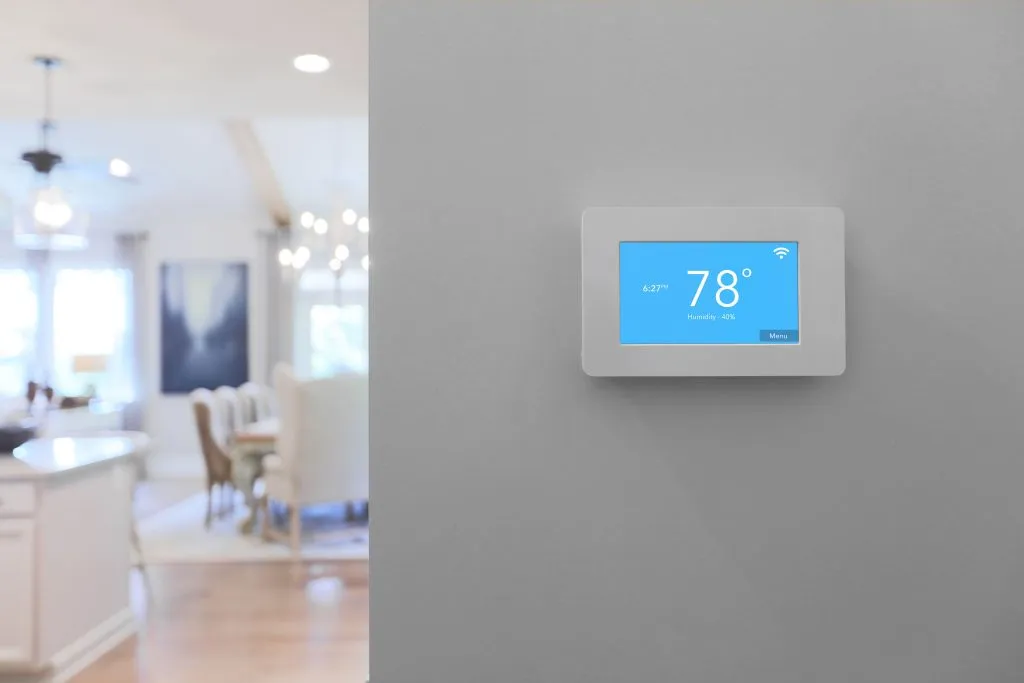
Toronto winters can be expensive, and the thermostat is one of the few tools you can control every day. The challenge is that there is no single “perfect” number for every home or building. Your best savings come from combining smart thermostat habits with realistic comfort targets, equipment type, and a schedule you can actually maintain. When you use thermostat settings Toronto winter the right way, you reduce runtime, avoid temperature swings that trigger long recovery cycles, and keep your heating system operating in its efficient range.
At Applied Energy HVAC, we see the same pattern each winter: people crank the heat up, drop it too low overnight, and then wonder why bills rise and comfort feels inconsistent. This guide breaks down thermostat settings Toronto winter strategies for homes, condos, and small commercial spaces, including recommended ranges, schedule examples, humidity considerations, and common mistakes to avoid. You will also see where service support like Furnace Repair & Installation, Boiler Repair & Installation, and Heat Pump Repair & Installation can improve savings when thermostat changes alone are not enough.
How Thermostat Settings Affect Winter Energy Costs In Toronto
Thermostats do not create heat, they control how long your heating system runs and how hard it has to work to hit your target. In Toronto weather, frequent cold snaps and wind can increase heat loss, so small setpoint differences can noticeably change runtime over weeks and months. When you set thermostat settings Toronto winter too high, your system runs longer and may overshoot, especially in forced-air homes with uneven airflow or in hydronic systems with slower response. Over time, those extra cycles add real dollars to your monthly bill.
Thermostat settings Toronto winter also influence comfort and air quality. If you chase comfort by making large temperature jumps, your system may run for long stretches, drying the air, creating hot and cold spots, and sometimes triggering short cycling if equipment is oversized. The best approach is stable targets with modest setbacks, paired with a schedule that aligns with occupancy. This reduces wasted heating while still keeping the home comfortable when people are actually there.
The “Set It And Forget It” Myth
A stable temperature can help, but it is not always the cheapest option. The right thermostat settings Toronto winter schedule depends on your building and how quickly it warms back up.
Why Big Temperature Swings Often Cost More
When you drop temperatures too far and then raise them quickly, your system may run at full output for longer. That can reduce savings, especially if your home loses heat quickly.
Recommended Thermostat Settings Toronto Winter Ranges For Most Homes
Most Toronto households do well with a comfortable daytime range that is warm enough to prevent constant adjustments, but not so high that the system runs nonstop. A common target range for thermostat settings Toronto winter is around 20°C to 21°C when you are home and awake, with a modest overnight setback, often around 17°C to 18°C for many households. The best range is the one that keeps people comfortable without frequent manual changes, because manual changes usually lead to higher consumption.
Your building type matters. Condos often hold heat better, so thermostat settings Toronto winter can usually be a bit lower without discomfort. Drafty older homes may need tighter scheduling, weatherstripping, and maintenance to make lower setpoints feel acceptable. If you find that you must keep temperatures unusually high to feel warm, it may indicate a performance issue such as poor airflow, weak insulation, or heating equipment that needs service.
A Practical Starting Point Schedule
Start with a “home and awake” target, a “sleep” target, and an “away” target. Keep changes small and track results for two weeks.
When To Adjust Based On Comfort
If anyone in the home is uncomfortable, adjust gradually by 0.5°C at a time. Your goal is sustainable thermostat settings Toronto winter, not constant tweaking.
Smart Thermostat Schedules That Actually Save Money
A smart thermostat can help, but only if the schedule matches real life. Many people set aggressive setbacks, then override them every morning because the home feels cold. That defeats the point. The best thermostat settings Toronto winter schedule is predictable and uses smaller setbacks that your system can recover from efficiently. For many Toronto households, a setback of 2°C to 3°C during sleep and away periods is a solid starting range.
Recovery timing matters as much as the setpoint. If you need the home warm at 7:00 AM, do not wait until 7:00 AM to raise the temperature. Program the schedule so the system begins warming earlier, or use adaptive recovery features if available. This keeps comfort stable and reduces the urge to crank the setpoint way above normal, which often causes overshoot and longer runtime.
Example Schedule For A Typical Weekday
Home and awake: steady comfort setpoint, then a modest drop for sleeping. Away period setbacks should reflect how long the home is actually empty.
Example Schedule For Remote Work Or Stay-At-Home
If you are home most of the day, you may save more by using micro setbacks during low activity periods rather than a large daytime drop.
Thermostat Settings Toronto Winter For Different Heating Systems
Not every heating system responds the same way. Forced-air furnaces can raise temperatures relatively quickly, so modest setbacks often work well. Boilers and hydronic radiant systems can be slower to respond, and large setbacks may backfire because recovery takes a long time. Heat pumps, especially in very cold weather, can lose efficiency when forced to recover rapidly, which can trigger auxiliary heat in some systems and increase costs.
That is why thermostat settings Toronto winter should match the equipment type. If you have a furnace, your plan can include slightly bigger setbacks and scheduled recovery. If you have a boiler, steadier temperatures with smaller setbacks often perform better. If you use a heat pump, you usually want stable targets and fewer large jumps, especially during very cold hours. When equipment is not performing properly, even perfect settings will not deliver savings, and that is where Furnace Repair & Installation, Boiler Repair & Installation, or Heat Pump Repair & Installation becomes relevant.
Furnaces And How They Like To Run
Furnaces generally handle modest setbacks well, but oversizing or airflow restrictions can cause cycling. Stable thermostat settings Toronto winter help reduce cycling and improve comfort.
Boilers And Hydronic Heating Response Times
Hydronic systems can feel more comfortable at slightly lower air temperatures because radiant warmth reduces drafts. Smaller setbacks often work better than big drops.
Heat Pumps And The “Do Not Crank It” Rule
Heat pumps are efficient when they run steadily. Large, fast temperature increases can cause long runtimes and may trigger backup heat in some configurations, increasing cost.
Managing Auxiliary Heat For Savings
If your heat pump has auxiliary heat, set schedules to avoid sudden large increases. This helps thermostat settings Toronto winter stay efficient and consistent.
Common Mistakes That Increase Bills Even With “Good” Settings
One of the most expensive mistakes is setting the thermostat high to “heat faster.” Thermostats do not heat faster, they just stay on longer until they reach the setpoint. Another mistake is using big setbacks that make the home uncomfortable, which leads to manual overrides and even higher setpoints later. This creates a cycle where thermostat settings Toronto winter never stay consistent long enough for the home to stabilize.
Another overlooked issue is maintenance. Dirty filters, weak airflow, failing igniters, low water pressure in boilers, or a heat pump that is low on refrigerant can all increase runtime. If your bills rise even though your thermostat settings Toronto winter are reasonable, the issue may be system performance, not your schedule. A winter tune-up and basic diagnostics often pay for themselves by restoring normal efficiency.
Overriding The Schedule Too Often
Every manual override increases the chance you overshoot and waste energy. Better to adjust the programmed schedule slightly than to fight it daily.
Ignoring Vent And Airflow Issues
Blocked vents, closed registers, and dirty filters make the system work harder. This reduces comfort and makes thermostat settings Toronto winter less effective.
Quick Ways To Save Without Feeling Cold
If you want better comfort and lower costs, thermostat settings Toronto winter work best when paired with a few simple habits and building upgrades. Here are quick wins that often help immediately:
- Keep the thermostat steady and use small setbacks rather than large swings
- Replace or clean HVAC filters regularly during heating season
- Keep supply vents open and returns unobstructed to improve airflow
- Use door sweeps and weatherstripping on drafty exterior doors
- Close curtains at night and open them on sunny days for free heat gain
- Use bathroom and kitchen exhaust fans only as needed to avoid pulling out warm air
- Maintain indoor humidity at a safe, comfortable level to feel warmer at lower temperatures
These steps make thermostat settings Toronto winter feel easier because they reduce heat loss and improve comfort at lower setpoints.
Humidity And Comfort: How To Feel Warmer At Lower Setpoints
Humidity plays a major role in perceived warmth. Dry air can make a room feel cooler, even when the thermostat reads the same temperature. If your air is too dry, you may keep raising the setpoint, which increases energy costs. Balanced humidity can help you feel comfortable with thermostat settings Toronto winter that are slightly lower, especially overnight.
Be careful not to over-humidify, because too much humidity can cause condensation on windows, which can lead to moisture problems. The goal is a reasonable comfort range that fits your home’s insulation and window quality. If you are unsure, start modestly and monitor condensation. When humidity and airflow are balanced, many homes can maintain comfort with thermostat settings Toronto winter that are lower than what people assume they need.
Why Dry Air Feels Colder
Dry air increases evaporation from skin and can make drafts feel sharper. Proper humidity control can reduce that effect.
Simple Ways To Manage Humidity
Use a properly maintained humidifier if you have one, fix air leaks, and avoid overheating. Stable thermostat settings Toronto winter help humidity stay more consistent.
When Thermostat Changes Are Not Enough
Sometimes, the thermostat is not the real problem. If your home cannot hold temperature, the system is noisy, rooms are uneven, or your equipment runs constantly, you may be dealing with mechanical or design issues. A furnace with airflow problems, a boiler with circulation issues, or a heat pump with defrost or capacity problems can all lead to high bills no matter how carefully you set thermostat settings Toronto winter.
This is where professional support becomes the fastest path to savings. Applied Energy HVAC can identify issues like oversized equipment, duct leakage, control problems, failing components, or hydronic imbalances. If your system needs attention, Furnace Repair & Installation, Boiler Repair & Installation, Heat Pump Repair & Installation, and even Air Conditioner Repair & Installation planning for year-round efficiency can be part of a long-term approach. The goal is a system that responds predictably so your thermostat settings Toronto winter deliver real, repeatable results.
Signs You Need A Heating System Check
If the system runs nonstop, if some rooms never warm up, or if your bill spikes suddenly, it is time for a diagnostic.
Efficiency And Comfort Should Improve Together
When equipment is operating correctly, small schedule changes produce noticeable results. If they do not, the system likely needs service.
Why Choose Applied Energy HVAC
Thermostat adjustments are a great first step, but true savings come from pairing smart thermostat settings Toronto winter with equipment that is running properly. Applied Energy HVAC helps Toronto-area homeowners and facility teams improve comfort, reduce energy waste, and keep systems reliable in harsh winter conditions. We focus on practical changes that make sense for your property, your schedule, and your heating system type.
If your home uses a furnace, a boiler, or a heat pump, our team can diagnose performance issues that make winter bills climb. Applied Energy HVAC supports Furnace Repair & Installation, Boiler Repair & Installation, and Heat Pump Repair & Installation so your heating system can respond smoothly to your thermostat schedule and operate efficiently. When the system is tuned, balanced, and maintained, thermostat settings Toronto winter become a simple tool for steady comfort and predictable costs.
Use Thermostat Settings Toronto Winter As A Consistent Plan
Saving money in Toronto winters is not about suffering through cold rooms. It is about consistency, realistic schedules, and equipment performance. Start with a comfortable daytime setpoint, use modest setbacks for sleep and away periods, and avoid the temptation to crank temperatures up and down. When you commit to stable thermostat settings Toronto winter, you reduce wasted runtime and make comfort easier to manage.
If you have tried good thermostat habits and your bills are still high, Applied Energy HVAC can help you find the real cause. From airflow fixes to boiler diagnostics and heat pump performance checks, we focus on solutions that improve comfort and reduce waste. The right thermostat settings Toronto winter work best when your system is healthy, properly sized, and maintained for the conditions Toronto throws at it every year.
Frequently Asked Questions
- What are the best thermostat settings Toronto winter for daytime comfort?
Many homes do well around 20°C to 21°C, but the best thermostat settings Toronto winter are the lowest comfortable settings that do not require constant manual changes. - Do lower thermostat settings Toronto winter always save money?
Usually yes, but savings depend on building heat loss and how large the setback is. Extreme setbacks can cause long recovery cycles that reduce savings. - Should I change thermostat settings Toronto winter at night?
A modest overnight setback often saves money and improves sleep comfort for many households, especially when paired with proper bedding and humidity control. - Are thermostat settings Toronto winter different for boilers?
Often yes. Boilers and hydronic systems can respond slowly, so smaller setbacks and steadier thermostat settings Toronto winter often work better. - Are thermostat settings Toronto winter different for heat pumps?
Yes. Heat pumps tend to be most efficient with stable settings and fewer large jumps, because big recoveries can increase runtime and trigger backup heat. - How can I tell if my thermostat settings Toronto winter are not the real problem?
If your system runs constantly, rooms are uneven, or bills rise suddenly, the issue may be equipment or airflow related rather than thermostat settings Toronto winter. - Do smart thermostats automatically optimize thermostat settings Toronto winter?
They can help, but only if schedules match real occupancy. The best thermostat settings Toronto winter are the ones you can follow consistently without daily overrides.