
Getting the Best Performance from Your Heat Pump Repair in Freezing Climates
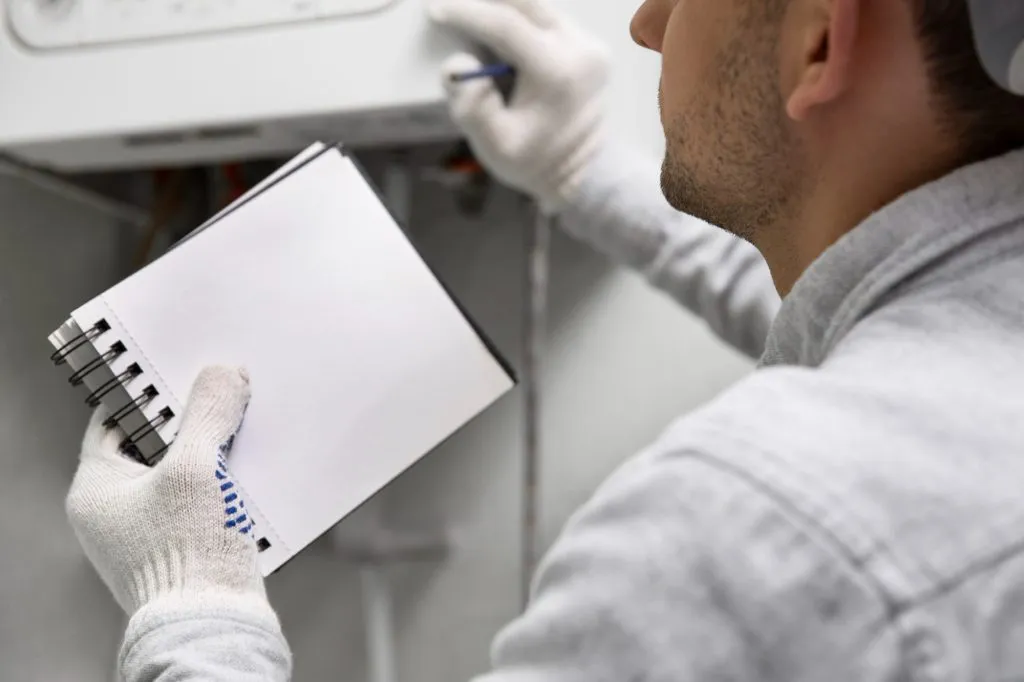
When the forecast turns icy and lake winds pick up, small system problems become big comfort problems. That is why homeowners look for heat pump repair winter strategies that do more than restart a unit. The goal is stable heat, quiet operation, and reasonable energy use on the coldest nights. On behalf of Applied Energy HVAC, this in-depth guide explains how to prepare, what to ask for, and how to fine tune settings so heat pump repair winter produces lasting results instead of short-lived fixes.
A strong plan covers three pillars. First, verify the basics that keep equipment safe during heat pump repair winter, including airflow, electrical integrity, and defrost logic. Second, measure performance under real weather conditions so adjustments are made to numbers, not guesses. Third, lock in settings and habits that help your system ride through deep freezes. Use the guidance below to turn heat pump repair winter into a durable upgrade for comfort and efficiency.
How Cold Weather Changes Heat Pump Performance
Freezing air changes every step of the heat transfer process and that is why heat pump repair winter needs a different checklist than summer service. Colder air reduces the energy available to the outdoor coil, which forces longer runtimes and amplifies any restriction in airflow. If the coil is even slightly dirty or the fan speed is off, capacity falls and defrost cycles last longer. The result is uneven rooms, frost that lingers, and a thermostat that never quite reaches setpoint. Correcting these bottlenecks during heat pump repair winter restores real-world heating output.
The second shift is moisture. Snow, sleet, and freeze–thaw cycles affect intake paths, grills, and the space around the cabinet. Small drifts, frozen condensate, and wind eddies can starve the coil of air or re-freeze meltwater. A successful heat pump repair winter accounts for clearances, drainage, and wind exposure. Technicians also confirm that sensor placement and control logic match the site so the unit defrosts only as needed rather than wasting energy.
What “cold-climate” really means for your home
Cold-climate designs keep usable capacity at lower outdoor temperatures by leveraging variable-speed compressors, accurate expansion control, and smarter defrost. If your system is not one of these models, heat pump repair winter still delivers strong gains by cleaning coils, tightening electrical connections, optimizing fan speeds, confirming charge, and aligning controls so the unit stays within its best performance envelope.
Early Warning Signs You Should Not Ignore
Your system will often whisper long before it shouts. If you notice longer runtimes, mild frosting that returns quickly, or a fan that sounds rough at start-up, schedule heat pump repair winter before the next cold snap. These symptoms often mean the unit is working around a restriction or a misadjusted setting. Correcting those issues early prevents lockouts when outdoor temperatures drop and demand rises.
Energy bills are another signal. If usage climbs faster than the weather would suggest, you may have a creeping airflow problem, a slow refrigerant leak, or a defrost schedule that runs too often. All three reduce seasonal efficiency and comfort. A focused heat pump repair winter with instrumented testing will find the cause and tune the system so it uses less power for the same indoor temperature.
Safe checks you can try before a visit
Homeowners can do a few simple things while waiting for heat pump repair winter service. Replace a dirty filter, open blocked returns, clear snow and leaves two to three feet around the outdoor unit, and gently remove soft frost collars so air can move. Verify thermostat mode and setpoint, and replace thermostat batteries if they are low. If breakers trip more than once or you smell electrical or chemical odors, stop and wait for a technician.
Quick Do and Do-Not List
- Do keep shrubs, bins, and snow away from the outdoor coil.
- Do photograph the model label and any error codes.
- Do test carbon monoxide alarms if you use backup heat.
- Do not chip ice with sharp tools near the coil.
- Do not cover the cabinet with an airtight tarp.
- Do not run space heaters on power strips.
What Technicians Do Differently in Winter Diagnostics
A durable heat pump repair winter starts with safety and proceeds to data. Technicians secure power, verify wiring integrity, and check heaters or crankcase protection if your model uses them. They then look for oil staining on fittings that suggests a slow leak. After that baseline, they measure pressures, temperatures, and fan performance to understand where capacity gets lost in cold air. Numbers guide decisions so repairs solve causes rather than symptoms.
Another key step is defrost verification. The team confirms sensor accuracy, board logic, and fan behavior during defrost. If frost remains after a cycle, if cycles trigger too frequently, or if the fan fails to ramp correctly, the unit wastes energy and loses heat. Calibrating these controls is central to effective heat pump repair winter because it protects the compressor while maximizing output between defrosts.
Measurements that separate guesswork from insight
Expect readings for superheat, subcooling, indoor temperature split, coil temperatures, outdoor ambient, and static pressure across the air handler. The results show whether capacity is lost to low charge, a dirty coil, a fan curve mismatch, or duct restrictions. With this map in hand, heat pump repair winter becomes targeted and efficient.
Tuning Your System For Maximum Output After Repairs
Once parts are replaced or cleaned, fine tuning makes the results last. Fan speed should match coil and duct conditions so the system moves the right amount of air at low and high stages. Refrigerant charge must land in the manufacturer window for cold weather so the coil neither starves nor floods. A thoughtful heat pump repair winter also pairs airflow choices with defrost control so the unit recovers quickly and quietly after each cycle.
Controls matter just as much. Thermostat cycles, outdoor temperature lockout points, auxiliary heat staging, and recovery rates all shape how your home feels. If auxiliary heat engages too early, bills rise. If it engages too late, rooms lag behind. Your technician will align these boundaries so the system spends most hours in its most efficient zone after heat pump repair winter.
The airflow, charge, and defrost connection
Airflow influences coil temperature, charge influences capacity, and defrost coordinates both with outdoor conditions. When all three are aligned, frost forms slowly, defrost is short and effective, and the unit returns to heat quickly. This harmony is the mark of high quality heat pump repair winter and it is why precision adjustments pay off for months.
Settings to review with your technician
- Confirm indoor fan speeds for heating stages.
- Verify superheat and subcooling under winter conditions.
- Check outdoor sensor placement and calibration.
- Set auxiliary heat lockout and recovery timing.
- Confirm condensate routing and freeze protection.
- Review thermostat differentials and cycles per hour.
Energy Efficiency and Trusted Canadian Resources
Well tuned systems save energy because they run longer at lower compressor speeds instead of surging at high output. That is why heat pump repair winter often lowers bills even if you do not change your setpoint. To plan complementary upgrades, consult independent Canadian resources. Natural Resources Canada provides homeowner guidance on insulation, air sealing, and efficient heating choices. You can start with Energy Efficiency for Homes from Natural Resources Canada. The Government of Canada also maintains an Energy Efficiency hub with practical education. Pair envelope improvements with heat pump repair winter to reduce load and extend equipment life.
Upgrades do not need to be complex. Simple air sealing around the rim joist, attic hatch weatherstripping, and balanced supply and return paths often make rooms feel warmer at the same thermostat setting. When your home holds heat better, every hour of run time after heat pump repair winter delivers more comfort per kilowatt.
Why Choose Applied Energy HVAC
Applied Energy HVAC specializes in cold-weather performance. Our process for heat pump repair winter is instrumented, repeatable, and tailored to local wind, snow, and microclimate effects. We do not guess at parts. We measure, correct, and verify before we leave. That means quieter operation, better frost control, and steadier temperatures when nights get bitterly cold.
You can also expect clear communication and follow-through. After heat pump repair winter we provide documented readings, settings, and plain-language recommendations that help you keep the system in its best operating range. If maintenance, minor duct improvements, or control changes would prevent a repeat issue, we explain the tradeoffs and let you choose at your pace.
Book Your Winter Heat Pump Service Today!
Winter is the most demanding season for a heat pump, which is why preparation and precision matter so much. With the right plan, heat pump repair winter restores comfort quickly and keeps it stable through freeze–thaw cycles and wind-driven snow. When airflow is verified, charge is set correctly, and defrost is calibrated, your home feels warm without runaway energy use.
If you are noticing long runtimes, rapid frosting, rising bills, or new noises, schedule heat pump repair winter with Applied Energy HVAC. Call (416) 992 1163 or (416) 219 7723, or email info@aehvac.ca. We serve Toronto, Etobicoke, Markham, and Scarborough with careful diagnostics, clear options, and repairs that last through the coldest nights.
Frequently Asked Questions
1) How do I know it is time for heat pump repair winter rather than waiting for spring?
If frost returns quickly, if rooms never reach setpoint, or if energy use spikes during a cold week, schedule heat pump repair winter now. The system is stressed in freezing weather and the same fault will cost more if you wait.
2) Can I do anything myself before booking heat pump repair winter?
Yes. Replace the filter, open blocked returns, clear snow around the cabinet, and verify thermostat mode and batteries. If breakers trip again or odors appear, stop and request heat pump repair winter.
3) What measurements should I expect during professional heat pump repair winter?
Expect superheat, subcooling, static pressure, coil temperatures, ambient readings, and a check of sensor accuracy and defrost timing. These numbers guide effective heat pump repair winter decisions.
4) Why does defrost control matter so much for heat pump repair winter?
Defrost that is too frequent wastes energy and reduces comfort, while defrost that is too rare allows ice to choke airflow. Calibrating sensors and logic is a central part of heat pump repair winter.
5) Will heat pump repair winter lower my energy bill?
Often yes. Cleaning coils, correcting charge, optimizing fan speed, and aligning auxiliary heat settings reduce run time and power draw. Many homes see lower bills after thorough heat pump repair winter.
6) How can I prevent the same issue from returning after heat pump repair winter?
Schedule seasonal maintenance, keep outdoor clearances open, protect condensate lines from freezing, and use thermostat schedules that avoid excessive cycling. These habits support the results of heat pump repair winter.
7) When is replacement smarter than repeated heat pump repair winter?
If the unit is old, uses obsolete parts, or suffers major failures like compressor damage, a modern cold-climate model may be the better value. Ask for a side-by-side comparison that includes energy savings and reliability alongside heat pump repair winter costs.