
High Efficiency: Comparing Costs for Boiler Installation vs Repair
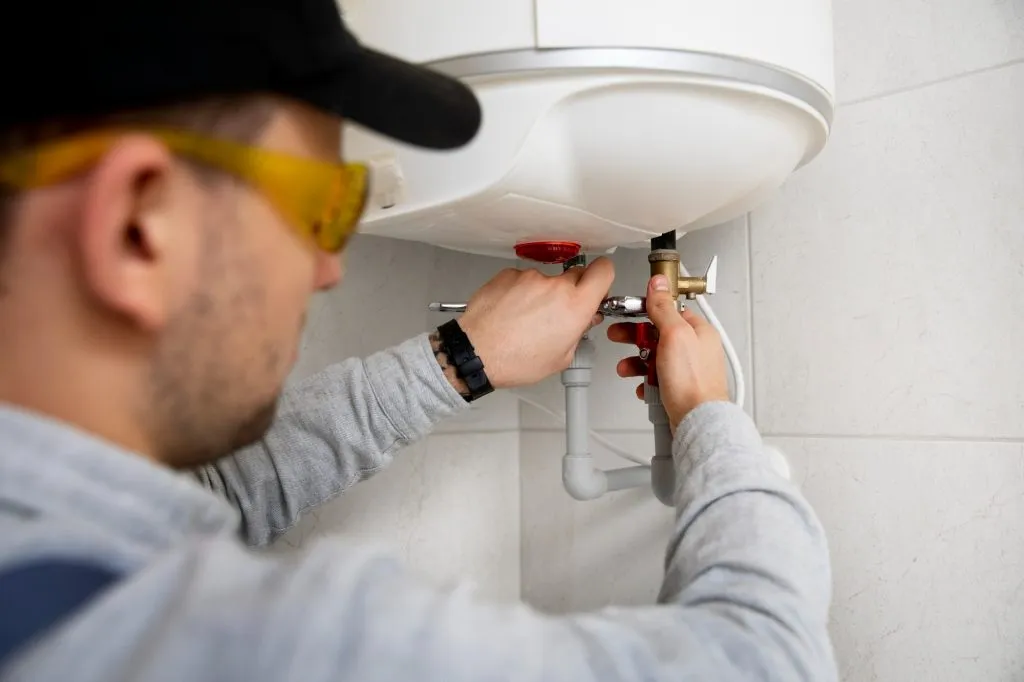
Homeowners often reach a crossroads when a heating system struggles in the middle of a demanding GTA winter. The choice between boiler installation vs repair can feel complex because it involves up-front costs, energy efficiency, reliability, and the realities of older equipment. On behalf of Applied Energy HVAC, this in-depth guide gives you a practical framework for deciding when boiler installation vs repair delivers the best return. You will learn what drives the numbers, how efficiency affects lifetime cost, and how to evaluate risks like repeated breakdowns or expensive replacement parts.
The goal is to make the boiler installation vs repair decision with clarity rather than guesswork. By understanding load calculations, fuel rates, venting and piping realities, and the impact of modern high efficiency boilers, you can compare short-term fixes with long-term performance. Throughout this guide we will show how a disciplined process transforms a stressful moment into a smart investment that keeps your home safe, comfortable, and cost controlled for many winters to come.
What “boiler installation vs repair” really means in practice
At first glance the choice sounds simple. Fix what is broken or replace the entire unit. In reality, boiler installation vs repair is a comparison across timelines. Repair is usually a smaller spend today that buys time, while installation is a larger spend that resets efficiency, warranties, and reliability. Each path has ripple effects across monthly bills, maintenance, and risk of future outages.
When Applied Energy HVAC analyzes boiler installation vs repair, we look at total life cycle value instead of a single invoice. If a repair is inexpensive and the remaining service life is strong, repair can be the right move. If multiple core parts are aging, fuel use is high, or safety and leak risks are rising, boiler installation vs repair tilts toward replacement because the new system can pay back through lower operating costs and fewer emergency visits.
Cost drivers that shape the decision
There are several categories that move the needle in boiler installation vs repair. The first is parts and labor for the immediate fix. The second is the cost of future repairs that are likely within two to three winters. The third is fuel consumption, which is where high efficiency models can change the math. The fourth is any required venting, piping, or electrical upgrades that come with a new installation. The fifth is risk cost, which includes the price of a no-heat emergency visit, water damage from a leak, or lost productivity at home.
Because each home is different, boiler installation vs repair comparisons should use real measurements. That includes combustion analysis, flue draft verification, pump and control testing, and an honest look at radiators and distribution. Without this information, it is easy to underestimate how much efficiency and comfort a modern boiler could add to your home.
When a repair is the smartest path
Repairs make sense when costs are modest, the boiler is relatively young, and there is no pattern of failures. If diagnostics point to a single failed control, a dirty flame sensor, or a circ pump issue in an otherwise healthy system, boiler installation vs repair often favors repair. This is especially true if the unit is still under parts warranty and the distribution system is well matched to its output.
Another time boiler installation vs repair may lean toward repair is during a mild season when loads are lower and you are planning a larger home project that will change heat loss. If you intend to add insulation or windows soon, a short-term fix gives you time to finish envelope work first. After the house is tighter, a right-sized high efficiency boiler can be selected with confidence.
When replacement delivers better value
New equipment becomes the right move when several expensive components are failing, when the heat exchanger shows damage, or when inefficiency is driving up monthly bills. In those cases, boiler installation vs repair should include a payback calculation. A modern condensing boiler that moves from 70 percent seasonal efficiency to 92 to 95 percent can trim fuel use significantly. Over five to ten winters, that difference can overshadow the gap between repair and replacement costs.
Replacement is also smart when a unit uses obsolete parts, has chronic leaks, or sits in a space where venting and drainage are incorrect. Instead of pouring money into workarounds, the boiler installation vs repair comparison improves when a clean installation resets vent slope, condensate management, and pump sizing. The result is quieter operation, fewer nuisance lockouts, and heat delivery that actually matches room-by-room load.
Efficiency and payback explained in plain language
Efficiency gains are not just about a higher label rating. The real-world result depends on proper sizing, low water temperatures when possible, outdoor reset control, and good air removal so pumps move water without noise. In a boiler installation vs repair discussion, those design details are where new systems can shine. With a smaller, modulating burner and better control of supply temperature, a high efficiency boiler runs longer at low fire, which is quieter and cheaper to operate.
To visualize the numbers, think of every degree you lower the average water temperature as a chance to condense more heat out of flue gases. That is where condensing models win. If your distribution and emitters support lower water temps, boiler installation vs repair often leans toward a new condensing unit that captures that value every hour the system runs.
Hidden costs that often get missed
Many homeowners compare only the price tag of a part versus a new boiler, but there are hidden costs that change the boiler installation vs repair equation. One is hot water reliability if your boiler also serves a combi function. Another is the risk cost of a midwinter failure that requires after-hours service and temporary heaters. A third is property risk from leaks or failed relief valves.
There are also soft costs. Loud cycling, hot-and-cold rooms, and air binding that returns every season consume time and attention. When a new system with air separators, dirt separation, and properly sized pumps eliminates those frustrations, boiler installation vs repair gains a comfort dividend that is hard to price but easy to feel.
The role of your building envelope and controls
Your walls, windows, and attic play a central role in boiler installation vs repair. If your home leaks heat, even a new boiler will work hard. Sealing and insulating can sometimes cut the required boiler size, which changes the payback on a replacement. Smart thermostats and outdoor reset also shift the math because they help lower water temperatures and reduce short cycling. Small control changes combined with a modern boiler can improve the boiler installation vs repair comparison by reducing monthly operating costs.
Two Canadian resources can help you plan envelope and efficiency work in a way that complements this decision. Review Natural Resources Canada’s Energy Efficiency for Homes and the Government of Canada Energy Efficiency hub. These pages explain upgrades that make a new boiler perform even better, or that keep an existing unit from working harder than it should.
In a semi-detached Toronto home with cast iron radiators, an older non-condensing boiler required multiple repairs within two seasons. The homeowner faced another control board quote that was half the cost of a new unit. We ran a boiler installation vs repair payback and found that a right-sized modulating boiler with outdoor reset would reduce fuel consumption by roughly 20 to 25 percent. The homeowner chose replacement and reported quieter heat and steadier temperatures the first week.
In a Markham bungalow, a six-year-old boiler locked out due to a circulation issue. Testing showed a failing pump and debris in the strainer. Because the unit was otherwise healthy, the boiler installation vs repair decision favored repair and system cleaning. With proper maintenance added to the schedule, the homeowner conserved capital and kept a young boiler on track.
Questions to ask before you decide
- What is the remaining warranty on the heat exchanger and core parts
- How many repair visits did you need in the last two winters
- What is the measured temperature rise or delta T across the system under load
- Are venting, combustion air, and condensate slopes correct and protected from freezing
- Can your radiators or in-floor loops run at lower water temperatures
- What are your average winter gas bills for the last two seasons
- Do you plan envelope upgrades that will change the heat loss within 12 months
- How would a no-heat event affect your household schedule and budget
- Will a new unit allow zoning or smarter control that improves comfort
- What rebates or financing options are available for a high efficiency boiler
Each answer refines the boiler installation vs repair choice so it reflects your home and priorities.
The process Applied Energy HVAC uses to compare options
We start with a conversation about comfort goals, budget, and timelines. Next we perform measurements that matter: combustion analysis, draft, pump amperage, delta T, and system pressure. We check for leaks and look for signs of stress such as scale, corrosion, or persistent air in high points. Then we provide a side-by-side boiler installation vs repair comparison that lists up-front costs, likely near-term repairs, estimated annual fuel savings, and risk factors.
If replacement is the better path, we match equipment to your distribution and design outdoor temperatures, not only to square footage. We also present add-on options like magnetic dirt separation, air removal, and outdoor reset that increase reliability and unlock efficiency. If repair is best, we scope the work, clean and tune the system, and document settings so you know exactly where your boiler stands heading into winter.
Why Choose Applied Energy HVAC
Applied Energy HVAC focuses on precision, not guesswork. Our technicians bring calibrated instruments and follow a documented checklist that produces repeatable results, which is essential when comparing boiler installation vs repair. We measure, explain, and then recommend the step that gives you the best balance of cost, comfort, and reliability.
We also stand behind the work. Whether we complete a targeted repair or install a high efficiency boiler, you can expect clear communication, clean workmanship, and support that continues after the visit. When you need to decide between boiler installation vs repair, you deserve a partner who treats your home like a system, not a collection of parts.
Putting numbers to the decision
A useful way to frame boiler installation vs repair is to compare first cost plus three-year outlook. Add the quoted repair to the cost of likely near-term failures, then estimate seasonal fuel use with your present efficiency. Compare that sum to the price of a new high efficiency boiler and the expected fuel savings over the same period. If the lines cross within a reasonable time and risk is lower with new equipment, the case for replacement strengthens.
We also consider non-financial factors. If you travel often and a failure would be disruptive, the reliability of new equipment carries weight. If you work from home and require steady heat during the day, fewer service interruptions may be worth more than a spreadsheet suggests. Boiler installation vs repair is a financial choice, but it is also a lifestyle and risk management choice.
Maintenance still matters either way
Whether you repair or replace, plan regular service. Annual inspections keep combustion and airflow tuned, verify safeties, and catch small issues before they become outages. Maintenance also preserves warranty benefits for new equipment. In other words, the boiler installation vs repair decision is not the end of the story. It is the start of a plan that keeps performance high for many winters.
Service should include cleaning burners, confirming gas pressure, testing safeties, flushing strainers, bleeding air, checking expansion tank charge, and reviewing delta T at typical loads. That checklist builds a data record so future boiler installation vs repair choices are informed by real measurements, not hunches.
Strong conclusion and call to action
The smartest way to navigate boiler installation vs repair is to compare real numbers, real risks, and real comfort outcomes. When you gather the facts, the right choice is usually clear. If your boiler is young and reliable, a targeted repair can be the right move. If parts are aging, bills are rising, and reliability is slipping, a new high efficiency system can pay back through lower fuel use and far fewer surprises.
If you are weighing boiler installation vs repair and want a clear, data-driven recommendation, schedule an assessment with Applied Energy HVAC. Call (416) 992 1163 or (416) 219 7723, or email info@aehvac.ca. We serve Toronto, Etobicoke, Markham, and Scarborough with diagnostics, honest comparisons, and quality work that keeps homes warm and efficient.
Frequently Asked Questions
1) How do I estimate the payback when comparing boiler installation vs repair?
Create a simple three-year table that adds the quoted repair cost, likely near-term parts, and fuel use at current efficiency. Compare it to the price of a new high efficiency unit plus estimated savings. If the new system recovers the difference in a few winters, boiler installation vs repair may favor replacement.
2) What signs suggest boiler installation vs repair should lean toward replacement?
Repeated lockouts, rising fuel bills, leaks, obsolete parts, or a compromised heat exchanger are strong indicators. When multiple expensive components are failing, boiler installation vs repair typically tilts toward a new system.
3) Can an inexpensive fix change the boiler installation vs repair outcome?
Yes. If diagnostics show a single failed control or pump in an otherwise healthy system, a modest repair can buy several solid seasons. In that scenario boiler installation vs repair favors repair while you plan for the future.
4) Do high efficiency boilers always win the boiler installation vs repair comparison?
Not always. If your existing unit is mid-life, reliable, and correctly sized, repair may be smarter. High efficiency models win when fuel savings, warranty coverage, and reliability clearly outweigh the up-front difference in cost.
5) How do envelope upgrades affect boiler installation vs repair?
Better insulation and air sealing reduce heat loss, which can allow a smaller boiler to run at lower water temperatures. That boosts efficiency and can improve the payback for replacement in a boiler installation vs repair study.
6) What financing or guidance can help with the boiler installation vs repair choice?
Explore programs and education from Natural Resources Canada and the Government of Canada Energy Efficiency hub. These sources outline upgrades and planning that complement either path and can strengthen your boiler installation vs repair decision.
7) What should I expect from an assessment before deciding on boiler installation vs repair?
Expect combustion testing, venting checks, pump and control verification, and a candid review of repair history. You should receive a side-by-side summary that lists costs, risks, and projected fuel savings so the boiler installation vs repair decision is simple and transparent.