
Cold Snap Crisis: How to Know If You Need 24/7 Emergency HVAC Repair?
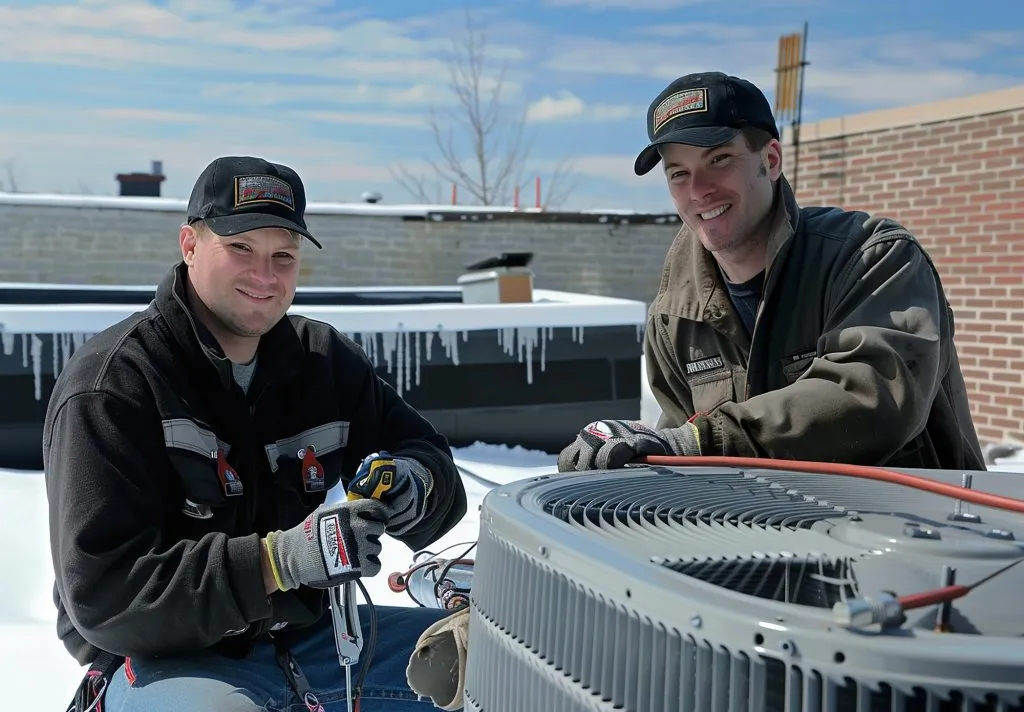
The first sign of trouble is usually subtle. Airflow feels a little weaker, the thermostat seems to stall, or a new rattle appears at startup. Then the cold front hits and the house will not warm up. In moments like these, homeowners wonder whether the situation truly calls for 24/7 emergency HVAC repair or if it can wait for regular hours. On behalf of Applied Energy HVAC, this guide gives you a clear, practical way to decide fast and protect your home, comfort, and budget. You will learn how to spot urgent red flags, which safe checks you can try, and what professionals do the moment a 24/7 emergency HVAC repair call comes in.
There is real value in acting early. The right response can turn a stressful night into a calm, controlled service visit. This article explains the patterns behind urgent heating failures, the difference between safe DIY steps and risky guesswork, and why a disciplined, instrumented approach to 24/7 emergency HVAC repair restores comfort quickly while avoiding collateral damage. With a plan in hand, you will know exactly what to do when the cold snap arrives.
What truly counts as an emergency
Not every hiccup needs 24/7 emergency HVAC repair, yet some conditions should never wait. Knowing the difference saves time, money, and risk. Start by thinking about safety, health, and property. If people are vulnerable, if the system shows signs of combustion or electrical hazards, or if your home is at risk of frozen pipes, it is time to call right away. You are not just buying speed. You are preventing escalation that can multiply costs.
There are also comfort and reliability factors. A furnace or heat pump that keeps tripping, surging, or cycling wildly is telling you something important. Those symptoms often worsen under load when outdoor temperatures fall. Early 24/7 emergency HVAC repair stops the failure chain before it reaches expensive components like compressors, control boards, or variable speed motors. Acting fast protects the equipment you already paid for.
Safety first: red flags you should never ignore
Safety rules are simple and non-negotiable. If you smell gas, hear arcing, or see smoke, treat the situation as urgent. Evacuate if necessary and contact your utility if a leak is suspected. If your carbon monoxide alarm sounds, turn off the HVAC equipment, ventilate if it is safe to do so, and call for 24/7 emergency HVAC repair. Do not reopen panels, defeat safeties, or relight equipment without professional guidance. These steps are designed to keep your family safe while technicians make the system stable.
There are quieter red flags as well. Repeated breaker trips, persistent scorch marks on the cabinet, or unusual vibrations that intensify during long heat calls all justify 24/7 emergency HVAC repair. In cold snaps, these signs often accompany icing of high-efficiency vent terminations, blocked combustion air, failed inducer motors, or overheating from clogged filters. A trained team will secure the scene, verify combustion safety, and then move into root-cause diagnostics.
Quick homeowner checks that are safe and useful
A few simple steps can help you decide whether you need 24/7 emergency HVAC repair or a scheduled visit. First, verify thermostat mode and setpoint, and replace batteries if the display is weak. Second, inspect the filter and replace it if it is dirty or collapsed. Third, check the breaker once. If it trips again, stop and call for 24/7 emergency HVAC repair. Fourth, clear snow and debris from outdoor intake and exhaust terminations on high-efficiency systems and gently remove ice collars that formed during wind and sleet.
If heat returns and stays steady after these checks, you may not need 24/7 emergency HVAC repair right now. If the system fails again, cannot reach setpoint, or shows new noises or smells, escalate. Document what you observed, take a quick photo of the nameplate, and have recent service notes ready. That information helps the dispatcher prioritize parts and skills for your home.
The technician’s playbook during an emergency call
A strong response follows a tested sequence. When 24/7 emergency HVAC repair is dispatched, the first steps are about safety and stabilization. Technicians verify gas and electrical conditions, confirm venting and combustion air, and check for carbon monoxide. Once safety is secured, they begin a structured set of measurements that point to the real cause instead of chasing symptoms. Expect them to gather error codes, test inducer and blower circuits, evaluate pressure switches, and confirm temperature rise or split.
After the electrical baseline is known, they will check airflow and combustion. For furnaces, that means evaluating burner cleanliness, flame signal, and gas pressure. For heat pumps, it includes coil condition, defrost operation, and refrigerant readings. The job of 24/7 emergency HVAC repair is to diagnose accurately under crisis conditions and get you safely heating again while preventing repeat failures. Precision is what makes fast service last.
Common failure patterns during a cold snap
Cold air stresses systems. Wind can choke intake pipes with frost, long runtimes can expose weak capacitors and motors, and dry air can aggravate small leaks that disturb pressure controls. Many 24/7 emergency HVAC repair calls share a few patterns: no-heat with inducer running but no ignition, repeated short cycling on high limit due to airflow restrictions, or lockouts triggered by blocked venting. Understanding those patterns speeds triage and focuses testing where it matters.
There are also building factors. Homes with marginal return air often see overheating and nuisance trips when filters load up during long heat calls. Older ducts with high static pressure cause variable speed blowers to work harder and louder. During 24/7 emergency HVAC repair, a technician will measure static pressure and temperature rise to determine whether a quick fix is enough or whether a simple duct adjustment would prevent a second outage.
What to do and what to avoid right now
- Do move infants, seniors, and anyone with medical needs to a warm room.
- Do use UL or CSA listed space heaters on direct outlets, not power strips.
- Do keep pets and children away from the mechanical area.
- Do photograph error codes and light patterns on the control board.
- Do clear snow and ice from high-efficiency vent pipes.
- Do call for 24/7 emergency HVAC repair if breakers trip twice.
- Do not bypass safety switches or tape over vents.
- Do not run ovens for heat or use outdoor appliances inside.
- Do not keep resetting the thermostat in rapid cycles.
- Do not open gas lines, burner compartments, or sealed refrigeration systems.
Following these simple rules keeps your household safe and gives the technician a head start once 24/7 emergency HVAC repair is underway.
Costs, timing, and how to control both
After-hours rates are higher because technicians, supply chains, and logistics must move immediately. The best way to control cost is to stabilize the home safely, provide accurate information when you call, and allow the technician to complete a durable fix the first time. If a permanent specialty part is needed, 24/7 emergency HVAC repair will often put a safe temporary solution in place so you can sleep comfortably and finish the work during regular hours.
Transparent pricing helps. Ask what the diagnostic fee covers, how after-hours charges apply, and whether common parts are stocked on the truck. An organized approach to 24/7 emergency HVAC repair usually costs less than multiple partial attempts. It also reduces the chance that a stressed component fails again during the next cold front.
Canadian resources that help you plan upgrades wisely
Independent references can help you make smart decisions about efficiency and safety once your system is stable. Two reliable places to start are Natural Resources Canada’s Energy Efficiency for Homes and the Government of Canada’s Energy Efficiency hub. These pages explain building envelope improvements, heating choices, and tips that reduce load on your equipment. Pairing those ideas with timely 24/7 emergency HVAC repair delivers better comfort for less energy over the long run.
- Natural Resources Canada – Energy Efficiency for Homes
- Government of Canada – Energy Efficiency hub
Why Choose Applied Energy HVAC
Applied Energy HVAC is built for urgent conditions. Our team answers calls in real winter weather and brings the right tools to diagnose under pressure. When you request 24/7 emergency HVAC repair, we begin with safety, then move quickly to instrumented testing that identifies the true fault. We stock common parts, keep communication clear, and explain options plainly so you can choose the best path with confidence.
We also think beyond the night’s fix. If we see patterns that point to airflow limits, venting exposure, or control programming that invites short cycling, we will show you how to prevent a repeat. The goal is simple. Every 24/7 emergency HVAC repair should end with steady heat, verified readings, and a plan that keeps your system reliable through the rest of the season.
Act Now For 24/7 Emergency HVAC Repair
A cold snap exposes weaknesses that stayed hidden during mild weather. The difference between a calm night and a crisis is knowing when to act and who to call. With the guidelines in this article, you can make a quick, informed decision about 24/7 emergency HVAC repair, try a few safe steps, and then bring in a professional to stabilize and solve the problem for good. You are not guessing. You are following a proven playbook.
If your home has no heat, alarming smells, repeat lockouts, or frozen vent terminations, schedule 24/7 emergency HVAC repair with Applied Energy HVAC right now. Call (416) 992 1163 or (416) 219 7723, or email info@aehvac.ca. We serve Toronto, Etobicoke, Markham, and Scarborough with rapid diagnostics, clear pricing, and repairs that last through the worst weather.
Frequently Asked Questions
1) What issues always justify calling for 24/7 emergency HVAC repair?
No-heat during freezing weather, carbon monoxide alarms, strong fuel smells, visible smoke, electrical arcing, breakers that trip repeatedly, and vent terminations buried in snow all require 24/7 emergency HVAC repair without delay.
2) Can I try anything before I request 24/7 emergency HVAC repair?
Yes. Confirm thermostat mode and setpoint, replace thermostat batteries, check the breaker once, replace a clogged filter, and clear snow or ice from high-efficiency vent pipes. If heat does not return and stay steady, move on to 24/7 emergency HVAC repair.
3) How fast can a technician arrive for 24/7 emergency HVAC repair during a storm?
Arrival time depends on call volume and road conditions, but true no-heat and safety issues are prioritized. Sharing model numbers, error codes, and symptoms helps the dispatcher send the right parts and skills for 24/7 emergency HVAC repair.
4) Will 24/7 emergency HVAC repair cost more than a normal visit?
After-hours diagnostics usually carry a premium, but an accurate one-and-done fix often costs less than waiting, risking property damage, or causing additional failures. Ask for clear up-front pricing when you book 24/7 emergency HVAC repair.
5) What parts are most often replaced during 24/7 emergency HVAC repair?
Common items include hot surface igniters, flame sensors, pressure switches, blower capacitors, relays, inducer assemblies, and for heat pumps, fan motors and defrost sensors. Stocked vans allow many 24/7 emergency HVAC repair jobs to finish on the first visit.
6) How can I avoid needing 24/7 emergency HVAC repair next winter?
Schedule annual maintenance, keep filters fresh, mark and clear vent terminations after storms, and address small symptoms early. A tuned system is far less likely to need 24/7 emergency HVAC repair when temperatures plunge.
7) When does replacement make more sense than repeated 24/7 emergency HVAC repair?
If your equipment is very old, uses obsolete parts, or has recurring major failures, a well-sized replacement may be more reliable and economical. Ask for a side-by-side comparison during your 24/7 emergency HVAC repair so you can decide with full information.