
5 Signs Your Water Heater Is About To Fail And Needs Replacement
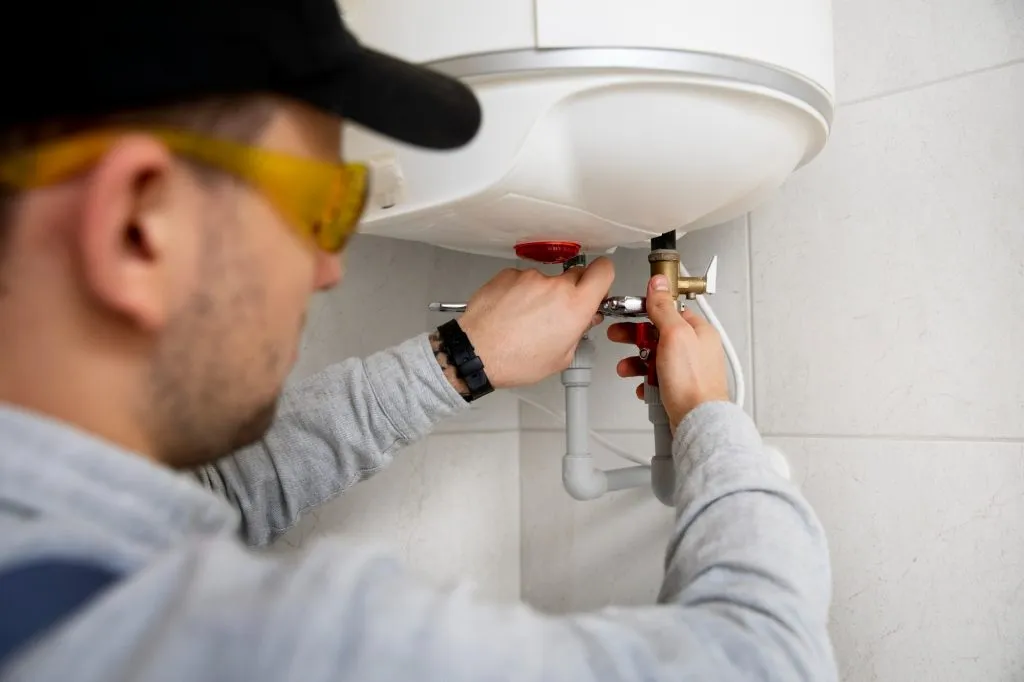
When a water heater is working properly, you hardly think about it. You turn on the tap, hot water appears, and life goes on. The problem is that most water heaters do not fail out of nowhere. They usually give clear water heater failure signs first, and those warnings are easy to overlook when you are busy. Ignoring those early water heater failure signs can turn a simple, planned replacement into a flooded basement, cold showers, and an emergency service call in the middle of winter.
There is also a financial side. Hot water typically accounts for a significant portion of a home’s total energy use, and older, struggling systems waste energy every day. Canadian data shows that water heating is one of the largest energy loads in the home, second only to space heating in many cases. When you learn to read key water heater failure signs and act early, you can schedule replacement on your terms, reduce the risk of water damage, and take the opportunity to upgrade to a more efficient model that lowers your bills year after year. Applied Energy HVAC helps homeowners throughout the GTA recognize those water heater failure signs before they turn into expensive surprises.
How Water Heater Failure Signs Connect To Age And Efficiency
Every tank style water heater has a limited lifespan. For many homes, that lifespan ranges from about eight to twelve years, depending on usage, maintenance, water quality, and installation quality. As a tank approaches that age, water heater failure signs become more common. You might notice that the unit runs longer, makes more noise, or struggles to keep up with normal demand. Age does not automatically mean the system is unsafe or must be replaced immediately, but when age lines up with multiple water heater failure signs, it is time to look closely at your options.
Efficiency is closely tied to these issues. Over time, sediment settles at the bottom of the tank and forms a layer between the burner or elements and the water. This forces the heater to work harder and run longer for the same result. Natural Resources Canada’s guidance on residential water heaters highlights how choosing efficient models and maintaining them properly can significantly reduce energy use. When you add rising fuel consumption to other water heater failure signs like inconsistent temperature or strange noises, it is a strong signal that planning a replacement with Applied Energy HVAC will be more cost effective than pouring more money into an aging tank.
How Age Relates To Water Heater Failure Signs
Age is not a complete diagnosis by itself, but it is the backdrop for all other water heater failure signs. A ten year old tank with rising bills, rumbling noises, and rust around fittings is far more concerning than a five year old tank with a single minor issue. When technicians evaluate water heater failure signs, they always note the serial number and manufacturing date first. If the system is near or beyond its expected service life, even small problems can tip the scale toward replacement rather than repair because the probability of additional failures continues to grow.
Sign 1: Rusty Or Discolored Hot Water
One of the most alarming water heater failure signs is rusty, brown, or yellow tinted hot water coming from your taps. If the discoloration appears only on the hot side, and especially if it is most noticeable after the water has been sitting in the tank for a while, the problem may be internal corrosion. Inside every tank, an anode rod is designed to corrode before the steel tank does. Once that rod is consumed, the tank walls themselves begin to rust. When that rust flakes off, it discolors the water and signals that internal surfaces are breaking down. That is one of the classic water heater failure signs that points strongly toward replacement.
Sometimes, rusty water can originate in older galvanized plumbing rather than the tank itself. That is why it is important to test both hot and cold taps. If both sides are rusty, the issue may be piping. If only hot water is affected, water heater failure signs are more likely the culprit. Applied Energy HVAC technicians will run simple checks on site to determine whether the rust is inside the tank or elsewhere in the system. If the tank is the source, planning a replacement before it begins leaking is usually the safest and most economical path.
What Discolored Water Tells You About Water Heater Failure Signs
Discolored water is one of the more visible water heater failure signs because you see it every time you run a bath or fill a sink. Beyond the cosmetic concern, it reveals that metal and sediment are moving through your lines. This can stain fixtures, clog aerators, and impact laundry. When combined with known tank age, those water heater failure signs tell you that the internal lining has been compromised and that the tank is moving toward a point where a leak is likely. Rather than waiting for that leak to appear, most homeowners prefer to replace the unit under controlled conditions with a properly sized, efficient model.
Sign 2: Strange Noises, Rumbling, Or Popping
If your water heater used to run quietly and now you hear rumbling, banging, or popping sounds, that change belongs on the list of important water heater failure signs. Those noises usually mean that a thick layer of sediment has built up on the bottom of the tank. As the burner or element heats the water trapped under the sediment, steam bubbles form and burst through, creating the rumbling or popping you hear. Over time, this process stresses the metal and can increase the risk of cracks or leaks. It also forces the unit to use more energy, which shows up as higher bills.
Not all sounds are catastrophic water heater failure signs, but they do deserve attention. A low, gentle hum from an electric element is normal, but loud banging, high pitched screeches, or a rapid ticking that was not there before should be investigated. Sometimes, flushing the tank can reduce noise and extend life, but if the heater is already old and the sediment layer is thick, maintenance may not fully reverse these water heater failure signs. Applied Energy HVAC can help you decide whether additional maintenance is worthwhile or if the noise is one more reason to replace the unit now.
Why Noisy Operation Points To Water Heater Failure Signs
Noisy operation is easy to ignore because the tank is often hidden in a basement or utility room, but it is one of the most reliable water heater failure signs that something inside has changed. When sound patterns shift from quiet to loud, it means the system is working under different conditions than it was designed for. The longer it runs with thick sediment or overheating elements, the more stress you place on the tank and its components. Treating these noises as serious water heater failure signs gives you a chance to intervene before stressed metal or fittings give way.
Sign 3: Leaks, Moisture, Or Pooling Water
Visible moisture is one of the water heater failure signs that you should never ignore. Small puddles under the tank, damp spots nearby, or streaks of water down the side can originate from several sources. Some leaks come from loose fittings or a failing temperature and pressure relief valve. These issues might be repairable if the tank itself is still sound. Other times, the leak is coming from a crack in the tank body or from corrosion around welded seams. When that happens, the most serious water heater failure signs have already appeared, because the structural integrity of the tank is compromised.
Even a small leak can quickly cause big problems. Water can damage flooring, drywall, and stored belongings. In finished basements, it can lead to mold growth and expensive repairs. That is why moisture and leaks rank near the top of critical water heater failure signs. If the tank shell is leaking at all, replacement is the only safe solution, because the tank is not designed to be patched like a pipe. Applied Energy HVAC will confirm the leak source, shut the system down if needed, and help you select a replacement that fits your home and hot water demands.
How To Read Water Heater Failure Signs Around The Tank Base
The area around the base of the tank is the best place to look for subtle water heater failure signs. Stains, mineral deposits, and rust trails show where water has evaporated after slow leaks. If you wipe the area clean and moisture returns, you are seeing active water heater failure signs in real time. These clues often appear before a larger leak, giving you an opportunity to replace the heater before a sudden tank rupture or major flood occurs. Regularly glancing at this area whenever you pass the unit is a simple habit that can save you money and stress.
Sign 4: Inconsistent Hot Water And Temperature Fluctuations
Another common set of water heater failure signs involves temperature and supply. If showers turn cold halfway through, or if you notice that the water temperature swings unpredictably, something has changed inside the system. Heating elements may be failing, dip tubes that direct cold water to the bottom of the tank may be broken, or thermostats may be out of calibration. In gas models, a partially blocked burner or failing gas control valve can also create those water heater failure signs.
Sometimes heavy new demands, like a growing family or new fixtures, can make a properly functioning tank feel undersized. In that case, water heater failure signs are really sizing and usage issues, and upgrading to a larger or more efficient model is the solution. In other cases, inconsistent hot water occurs even though usage patterns have not changed. That pattern, together with the age of the tank and other water heater failure signs, strongly suggests internal wear. Technicians from Applied Energy HVAC will test components and explain whether repair or replacement is the better long term choice.
Why Hot Water Changes Are Important Water Heater Failure Signs
Changes in hot water performance are easy to notice because they affect daily routines. When those changes are sudden or get worse over time, they should be treated as meaningful water heater failure signs rather than random events. Each fluctuation indicates that a component is not working as designed. Addressing the underlying cause early often costs less than waiting for a complete breakdown. When you combine performance issues with noise, discoloration, or leaks, the case for proactive replacement becomes even stronger.
Sign 5: Frequent Repairs, Alarms, Or Error Codes
If you feel like you are calling for service every few months, you are already living with serious water heater failure signs. Frequent repairs are a red flag that internal parts are reaching the end of their lifespan. Individually, a thermostat replacement or igniter swap might seem manageable. Added together over a couple of years, these costs can rival the price of a new water heater. At the same time, each failure increases the odds that the next one will happen at a very inconvenient moment.
Modern units may display alarms or error codes when sensors detect abnormal conditions. Repeated error codes, especially after a technician has already addressed them once, are strong water heater failure signs that the system is no longer stable. Instead of chasing problems one part at a time, most homeowners are better served by planning a full replacement. Applied Energy HVAC will review your repair history, evaluate the current condition of the tank, and help you decide when ongoing fixes no longer make financial sense compared with a new, efficient water heater.
How A Pattern Of Issues Confirms Water Heater Failure Signs
Any single issue could be an isolated event, but a pattern of problems over time turns those individual issues into reliable water heater failure signs. When you notice that you have dealt with discolored water, a reset control, and a minor leak all within a short period, it is reasonable to assume that more trouble is coming. Recognizing that pattern allows you to choose replacement timing, research efficient models using resources like the federal water heater guide, and coordinate installation before a full failure forces your hand.
Water Heater Failure Signs You Can Spot Today
Even if you are not a technician, you can look for basic water heater failure signs in just a few minutes. Walking through a simple checklist once in a while helps you catch issues early and decide when to call a professional. Those early water heater failure signs are your chance to act calmly instead of scrambling during an emergency.
Once you know what to look for, you can check your system during regular home maintenance tasks like changing furnace filters or testing smoke alarms. If several water heater failure signs line up, schedule an assessment so you can plan the next steps with confidence rather than guessing.
- Check the age of your tank using the serial number on the rating plate
- Look for rust stains, moisture, or mineral deposits around the base
- Run hot water into a white sink or tub and watch for discoloration
- Listen for new rumbling, popping, or banging sounds during operation
- Note any temperature swings, lukewarm showers, or frequent resets
- Review your last year of energy bills for unexplained increases
- Think about recent repairs and how often you have called for service
Why Choose Applied Energy HVAC
When you start noticing water heater failure signs, choosing the right partner to evaluate them is just as important as recognizing them. Applied Energy HVAC works with all major types of water heaters and understands how local water quality, fuel costs, and building layouts affect performance. Instead of offering a one size fits all answer, the team looks at the complete picture age, condition, usage patterns, and future plans for your home. That approach turns confusing water heater failure signs into a clear, practical recommendation.
During a visit, technicians perform visual and functional checks, test controls, and inspect connections. They explain which water heater failure signs are truly urgent, which can be monitored, and where you have options. If replacement is the better path, they help you compare models, capacities, and efficiency ratings, including guidance based on Natural Resources Canada information about selecting efficient water heaters that meet current standards. With Applied Energy HVAC, you get a plan that aligns with your budget while reducing the risk of future surprises.
Do Not Ignore Water Heater Failure Signs
Water heaters rarely fail without warning. Rusty water, odd noises, small leaks, fluctuating temperatures, and recurring repairs are all water heater failure signs that your system is asking for attention. Acting early allows you to schedule replacement at a convenient time, protect your belongings from water damage, and upgrade to a model that uses less energy and provides more reliable comfort.
If you are seeing two or more water heater failure signs in your home, consider that your cue to bring in a professional, not something to push to the bottom of your to do list. Applied Energy HVAC can inspect your system, interpret those water heater failure signs, and help you decide whether repair or replacement is the smarter move. A brief visit today can prevent a cold, stressful, and expensive failure tomorrow.
Frequently Asked Questions
- What are the most common water heater failure signs?
Common water heater failure signs include rusty hot water, rumbling noises, small leaks at the base, temperature swings, and frequent resets or error codes. - Do water heater failure signs always mean I need a new tank?
Not always. Minor issues can sometimes be repaired, but multiple water heater failure signs on an older unit usually point toward replacement. - Can I ignore small leaks as minor water heater failure signs?
No. Even small leaks are serious water heater failure signs because they can quickly lead to tank rupture and water damage. - How does age relate to water heater failure signs?
Once a tank is around 8 to 12 years old, any water heater failure signs such as rust, noise, or leaks should be taken very seriously. - Can regular maintenance prevent water heater failure signs?
Maintenance can reduce many water heater failure signs by controlling sediment and checking parts, but it cannot stop normal aging of the tank. - Are noisy operations considered water heater failure signs?
Yes. New rumbling, popping, or banging sounds are water heater failure signs that often indicate heavy sediment buildup and extra stress on the tank. - When should I call a professional about water heater failure signs?
Call a professional as soon as you notice more than one of these water heater failure signs or if you see leaks, rust, or repeated error codes.