
Heat Pump vs Furnace Which Is The Best Choice For Etobicoke Homes?
Etobicoke homeowners know how quickly the weather can swing from humid summers to icy lake effect winters. Choosing the right heating system is not just about staying warm for a few months. It affects your energy bills, comfort, noise levels, and even future renovation plans. That is why so many people are asking the same question today: heat pump vs furnace for long term comfort and savings.
On behalf of Applied Energy HVAC, this guide walks you through a detailed heat pump vs furnace comparison tailored specifically to Etobicoke conditions. You will see how each system works, where each one shines, how local utility rates shape the numbers, and which factors matter most for bungalows, townhomes, and larger detached houses. By the end, you will have a clear framework for deciding which option makes sense for your home, budget, and climate.
Understanding Heat Pump vs Furnace Basics In Etobicoke
Choosing between systems is much easier when you understand how they actually produce heat. A heat pump vs furnace conversation is really a comparison of two different approaches. A heat pump moves heat that already exists outdoors into your home, while a furnace creates heat by burning fuel. In a city like Toronto, where winters are cold but not constant deep Arctic cold, that difference has a big impact on efficiency and operating costs.
A modern cold climate heat pump can both heat and cool your home in one package. In the shoulder seasons, it often wins the heat pump vs furnace debate because it delivers more heat per unit of electricity than simple electric resistance heaters. A gas furnace, on the other hand, delivers higher temperature air and can feel more familiar to long time homeowners. Many Etobicoke homes end up using a hybrid setup that blends both approaches.
How A Heat Pump Works In Our Climate
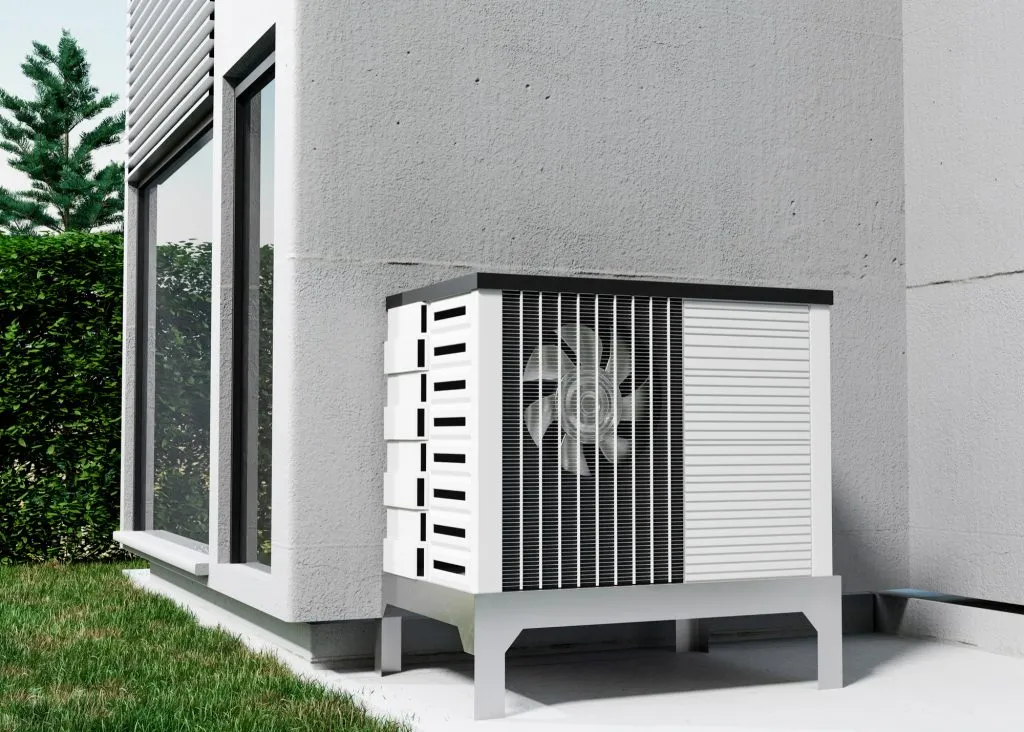
In any heat pump vs furnace discussion, it helps to start with the heat pump side. Instead of burning fuel, a heat pump uses a refrigeration cycle to absorb heat from the outside air and move it indoors. Even when the air feels cold, there is still usable heat available.
Natural Resources Canada notes that air source heat pumps can remain efficient in typical Canadian climates, especially newer cold climate models designed for lower outdoor temperatures. In Etobicoke, a properly selected and installed unit can carry most or even all of the heating load for much of the year, and homeowners should pay attention to metrics like the Heating Seasonal Performance Factor and the manufacturer’s low temperature rating to understand how the unit will behave during cold snaps.
Key Efficiency Ratings To Compare
Efficiency ratings are central to any heat pump vs furnace analysis. Heat pumps are usually rated by HSPF for heating and SEER for cooling, while furnaces are rated by AFUE. A higher number means more of the energy you buy turns into useful heat. Natural Resources Canada’s efficiency resources explain how these ratings relate to real world operating costs and why sizing and installation quality matter so much. When Applied Energy HVAC helps Etobicoke homeowners weigh heat pump vs furnace options, we look at both ratings and your current utility rates so the comparison reflects real usage instead of laboratory conditions.
How A Gas Furnace Heats Your Home
The furnace side of the heat pump vs furnace question relies on combustion. Natural gas is burned inside a heat exchanger, and a blower pushes indoor air across that surface to warm it before distributing it through ducts. High efficiency condensing models capture more of the heat that would otherwise go up the flue, which increases AFUE and lowers fuel use over time, especially during long heating seasons.
In practice, this means a furnace often delivers hotter supply air than a heat pump, which some homeowners associate with a stronger feeling of warmth from each cycle. When comparing heat pump vs furnace choices, many Etobicoke families like the steady reliability of gas during long cold spells, especially if the home already has a relatively efficient furnace and gas service in place and they are comfortable with that familiar technology.
Comparing Comfort And Performance For Etobicoke Homes
Numbers matter, but how a system feels day to day matters just as much. Comfort is not only about air temperature. It also includes how even that temperature is from room to room, how noisy the equipment is, and how the system affects humidity and air quality. A thoughtful heat pump vs furnace comparison looks at all of these pieces together instead of focusing on one number like efficiency alone.
In older Etobicoke homes, especially those with additions or finished basements, duct design may not match the current layout. A variable speed heat pump can help smooth out temperature swings, while a right sized furnace can deliver quick recovery after setbacks. The best heat pump vs furnace answer for your home depends on how sensitive you are to drafts, noise, and rapid temperature changes, and how much you value steady, gentle heating over short, powerful bursts.
Cold Climate Performance Of Heat Pump vs Furnace Systems
Cold climate performance is the first concern most people raise in a heat pump vs furnace conversation. Many remember older heat pumps that struggled when temperatures dipped well below freezing. Today’s cold climate models are much more capable, with some able to operate efficiently down to the negative teens before backup heat is needed. Natural Resources Canada highlights that modern air source heat pumps can significantly reduce energy consumption compared with traditional heating in many Canadian regions. In Etobicoke, this means a properly selected unit can handle most winter days, while a backup heat source steps in only during the harshest weather.
That said, there are still days when a gas furnace provides more robust output, especially during brief polar outbreaks when demand is highest and rooms need fast recovery. A hybrid system that pairs a heat pump with a high efficiency furnace often provides the most flexible heat pump vs furnace solution for Etobicoke. The heat pump handles most of the season efficiently, while the furnace steps in during the coldest hours or when you need very quick temperature changes.
Noise, Air Quality, And Everyday Comfort
Noise and air quality rarely show up on spec sheets, but they matter in any heat pump vs furnace decision. Outdoor heat pump units create some fan and compressor sound, while furnaces produce blower noise and flue draft sounds indoors. Placement of equipment and duct design largely determine what you hear in bedrooms and living spaces, and a thoughtful layout can keep either system very quiet in lived in areas.
On the air quality side, both systems can work with high quality filtration and humidity control. Because a heat pump runs longer, lower intensity cycles, it can provide more consistent air mixing, which helps filters and air cleaners do their job. A furnace may run shorter, hotter cycles. When homeowners talk through heat pump vs furnace tradeoffs with Applied Energy HVAC, they often find that comfort complaints trace back to duct and control issues rather than the basic equipment type, and those issues can often be corrected without replacing everything.
Quick Decision Guide For Etobicoke Residents
Once you understand the basics, it helps to step back and look at the big picture. A heat pump vs furnace choice is not only about technology. It is about your comfort expectations, your tolerance for up front investment, and how long you expect to stay in the home. Two neighbors on the same street can make different choices for good reasons and both still feel confident they chose correctly.
In general, homes with better insulation and air sealing lean more easily toward the heat pump side in the heat pump vs furnace debate, because their heating loads are moderate and steady. Drafty or under insulated homes may benefit more from a higher capacity furnace until envelope upgrades are completed. The right answer often combines both equipment decisions and simple building improvements such as air sealing, attic insulation, and window upgrades.
Which System Fits Your Lifestyle
To make your this heating system decision easier, walk through a quick lifestyle checklist. This is not a substitute for a professional assessment, but it does highlight patterns that point toward one option or a hybrid approach.
- You want one system that handles both heating and cooling in most seasons
- You plan to stay in your Etobicoke home for many years and value long term savings
- You are comfortable investing in upgrades that reduce your carbon footprint
- Your home has reasonably good insulation and updated windows
- You prefer gentler, longer heating cycles instead of short blasts of hot air
- You want strong backup during very cold snaps and already have gas service
- You are mainly focused on lowest up front cost and quick replacement of aging equipment
As you go through these points, notice whether your answers lean more toward the heat pump, the furnace, or a blended heat pump vs furnace strategy that pairs both. This simple exercise also prepares you to talk clearly with a contractor about what matters most to you.
Why Choose Applied Energy HVAC
Choosing between systems is much easier when you have a trusted partner to walk you through the heat pump vs furnace details. Applied Energy HVAC has extensive experience with both high efficiency gas furnaces and modern cold climate heat pumps in Etobicoke and across the Greater Toronto Area. Our team understands how lake effect weather, older housing stock, and local utility rates interact, so we do not simply quote equipment, we actually model how it will perform in your home.
When you invite us to help with a this heating system decision, we start with a careful assessment of your current system, ductwork, insulation levels, and comfort complaints. We then present clear options that might include a standalone furnace, a ducted or ductless heat pump, or a hybrid system. For each option, we explain expected operating costs, pros and cons, and maintenance needs so you can make a confident choice with full information instead of guesswork.
Our Process For Helping You Decide
Our process for this heating system decision projects is straightforward. First, we listen to your goals whether they are lower bills, more comfort in certain rooms, or preparing the home for future renovations. Next, we perform load calculations and examine your existing utilities to understand realistic usage patterns and how a heat pump vs furnace mix might change them.
Finally, Applied Energy HVAC provides a written proposal that outlines equipment choices, timelines, and aftercare. If you choose a hybrid heat pump vs furnace setup, we also program controls so the system automatically switches between heat pump and furnace based on outdoor temperature or cost preferences. After installation, our service team remains available for tune ups, troubleshooting, and adjustments as your needs change over time.
Finding The Best Heat Pump vs Furnace Answer For Your Etobicoke Home
There is no single universal winner in the this heating system choice debate. Instead, there is a best fit for each home and family. Heat pumps excel at efficient, all electric heating and cooling, especially in well insulated homes with moderate loads. Furnaces shine during extreme cold and can be very cost effective when gas prices are favorable and the system is high efficiency and properly maintained.
The most reliable way to reach the right this heating system choice decision is to combine neutral information from Canadian resources with local expertise. Natural Resources Canada and other government sources provide unbiased background on efficiency, while Applied Energy HVAC can help you compare scenarios, estimate operating costs, and plan a system that serves you well for many winters ahead. With the right design, you can enjoy comfortable rooms, quieter operation, and more predictable energy bills throughout the year, whether you choose a heat pump, a furnace, or a combination of both.
Frequently Asked Questions
1) Is heat pump vs furnace always cheaper to run than a gas only system in Etobicoke?
The operating cost of heat pump vs furnace depends on current gas and electricity prices, your home’s insulation, and how efficiently each system is installed. In many cases, a cold climate heat pump paired with a high efficiency furnace provides the lowest overall seasonal cost, but the exact numbers vary by home and must be calculated based on real Etobicoke utility data.
2) Will a heat pump keep my home warm enough during a cold snap, or do I still need a furnace?
Modern cold climate units perform much better than older models, but during extreme weather most Etobicoke homes still benefit from a backup furnace. A hybrid heat pump vs furnace setup lets the heat pump handle mild and moderate days while the furnace covers only the coldest hours, which balances comfort, reliability, and energy use.
3) How does heat pump vs furnace affect my carbon footprint?
Choosing the heat pump side of the heat pump vs furnace comparison usually reduces direct on site emissions, especially if your electricity mix includes cleaner sources. Keeping a high efficiency furnace as backup still limits run time on fossil fuel equipment compared with relying on it for all heating, so even a hybrid system can significantly improve your environmental impact.
4) Is heat pump vs furnace a good idea if my ducts are old or undersized?
If your ductwork is leaky or restrictive, both heat pumps and furnaces will struggle to deliver comfort. In that case, a heat pump vs furnace project should include a duct assessment and potential upgrades. Some homeowners also consider ductless heat pump options for specific rooms while keeping an existing furnace for the rest of the home to work around challenging duct systems.
5) How long does it take for heat pump vs furnace upgrades to pay for themselves?
Payback time for heat pump vs furnace improvements depends on upfront cost, energy savings, and how long you plan to stay in the home. Many homeowners see meaningful monthly bill reductions right away, while full payback might take several winters. A contractor can estimate this based on real Etobicoke utility rates, your current equipment, and the specific system you are considering.
6) Can I start with a furnace now and add a heat pump later as part of heat pump vs furnace planning?
Yes. Many Etobicoke residents choose a new high efficiency furnace first, then add a compatible heat pump later. Planning for heat pump vs furnace from the start means choosing equipment and controls that can integrate easily when you are ready to expand, which protects your initial investment and keeps future options open.
7) How do I choose a contractor who understands heat pump vs furnace instead of just selling one product?
Look for a company that offers both systems, performs load calculations, and is willing to show you side by side scenarios instead of pushing a single option. A good heat pump vs furnace partner will talk openly about pros and cons, explain how each choice fits Etobicoke’s climate, and help you plan for future stages as your budget and goals evolve, rather than making a one time, one size fits all recommendation.