
What Is a Two-Stage Air Conditioner and Is It Worth the Extra Cost in Canada?
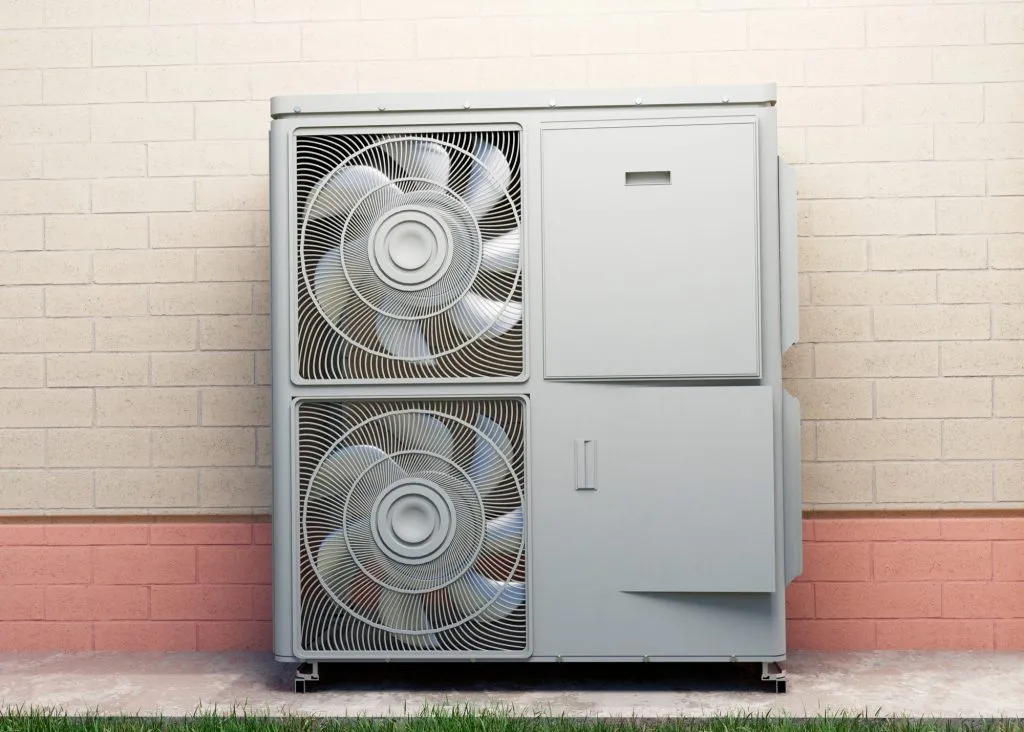
A two-stage air conditioner is one of the most common “upgrade options” Canadian homeowners hear about when their old AC fails or when they want better comfort in summer. The promise sounds simple: quieter operation, better humidity control, and lower energy use compared to older single-stage systems. The real question is whether a two-stage air conditioner is worth paying extra for in Canada, where summers can be hot and humid in Southern Ontario, but the cooling season is shorter than in many U.S. states.
At Applied Energy HVAC, we help Toronto-area homeowners choose cooling equipment that fits their home, budget, and comfort expectations. In this guide, you will learn what a two-stage air conditioner is, how it works, what it costs, where it saves money, and when a standard option is the smarter move. You will also get practical buying tips, a quick comparison checklist, and common mistakes to avoid so you feel confident before you invest.
What Is A Two-Stage Air Conditioner
A two-stage air conditioner is a cooling system designed to run at two different capacity levels instead of only one. A typical single-stage AC is either fully on or fully off. A two-stage air conditioner operates at a lower stage most of the time and uses a higher stage when outdoor temperatures are extreme or when the home needs faster cooling.
This matters because most days are not peak-heat days. On moderate summer days, a two-stage air conditioner can run longer at a lower output, keeping indoor temperatures steadier and reducing the stop-start cycling that makes some homes feel clammy or uneven. The longer, gentler runtime is often where homeowners notice comfort improvements.
How Two Stages Work In Simple Terms
Stage one is a lower-power cooling mode that handles typical days and maintains steady comfort. Stage two is the higher-power mode for hotter afternoons, large indoor heat gains, or quick recovery after doors and windows have been open.
What Actually Changes Inside The System
In many models, the compressor and controls are designed to operate at two capacity levels. The system may run around two-thirds capacity in the lower stage, then shift to full capacity when needed. The exact percentages vary by brand and model.
Two-Stage Air Conditioner vs Single-Stage vs Variable-Speed
When comparing options, it helps to understand where a two-stage air conditioner sits in the lineup. Single-stage is the simplest and often the lowest initial cost. A two-stage air conditioner is the “middle upgrade” that improves comfort and efficiency without the higher complexity and price of full variable-speed equipment. Variable-speed systems can modulate in many small increments and may provide the best comfort, but they also require a bigger investment and a quality installation to deliver results.
For many Canadian homes, a two-stage air conditioner is a strong balance. It offers noticeably better comfort than single-stage in many scenarios, especially in humid climates and homes with uneven cooling. It can also reduce noise and improve overall feel. The key is that the benefits are most obvious when the system is properly sized, matched to your indoor coil and blower, and installed with correct airflow and charge.
When Single-Stage Still Makes Sense
Single-stage is often fine if your home cools evenly, humidity is not a big issue, and you want the simplest system with the lowest upfront cost. A properly installed single-stage unit can still perform well.
Where Variable-Speed Wins
Variable-speed can be ideal for homeowners who prioritize humidity control, ultra-stable temperature, and the quietest possible operation. If budget allows and the contractor is highly experienced, variable-speed can be the top comfort choice.
Why A Two-Stage Air Conditioner Can Feel More Comfortable
Many comfort complaints in summer come from short cycling. When an AC turns on at full power, it can cool the air quickly but not run long enough to remove much humidity. Then it shuts off, humidity rebounds, and the home feels sticky again. A two-stage air conditioner addresses this by running longer in low stage, which can improve moisture removal and reduce the temperature swings you feel from room to room.
Another comfort factor is airflow and mixing. Longer runtimes can help circulate air more consistently, which can reduce hot spots in bedrooms and second floors. While no AC can fix major duct problems by itself, a two-stage air conditioner often makes a well-designed system feel smoother, especially during evenings and overnight periods.
Humidity Control: The Hidden Value
Humidity control is often the biggest real-world benefit of a two-stage air conditioner, especially in Southern Ontario summers. More runtime at lower capacity can pull more moisture out of the air and keep the home feeling cooler at slightly higher thermostat settings.
Quiet Operation: Why It Matters In Real Homes
In low stage, a two-stage air conditioner often runs quieter than a single-stage unit blasting at full output. If your outdoor unit is near a patio or bedroom window, this can be a meaningful upgrade.
Efficiency And Operating Cost: Is A Two-Stage Air Conditioner Worth It In Canada
Efficiency is not only about the sticker rating. A two-stage air conditioner can reduce wasted energy from frequent starts and stops, and it can run more efficiently under part-load conditions. In many Canadian cities, the cooling season is shorter than the heating season, so the payback calculation depends on your electricity rates, your home’s cooling demand, and how well your system is sized and installed.
If your current AC is older, noisy, and short-cycles, upgrading to a two-stage air conditioner can improve comfort immediately and may lower summer electricity costs. If your current system is relatively new, already efficient, and your home cools evenly, the extra cost may not pay back quickly. The best way to decide is to weigh comfort value plus expected energy savings, not energy savings alone.
What SEER2 And Efficiency Ratings Mean For You
Newer systems are rated using updated standards, and you will often see SEER2 referenced. Higher ratings generally mean lower energy use for the same cooling output, but only when the system is installed and commissioned correctly.
Why Installation Quality Often Beats Equipment Tier
A poorly installed high-end system can perform worse than a properly installed mid-tier system. A two-stage air conditioner needs correct airflow, correct refrigerant charge, and a good thermostat setup to deliver the benefits you are paying for.
Cost Comparison: What You Pay For With A Two-Stage Air Conditioner
A two-stage air conditioner typically costs more than a single-stage system because of compressor design, controls, and sometimes enhanced sound reduction features. You are also paying for better comfort characteristics, not only energy savings. In many cases, the cost difference is easier to justify when the homeowner values quieter operation, steadier temperatures, and improved humidity performance.
The total installed cost depends on several factors: tonnage, brand, coil match, duct condition, line set condition, electrical upgrades, and whether the job requires changes to the pad, disconnect, or condensate setup. If your indoor blower is older, you may also need an air handler or furnace blower upgrade to get the best results from a two-stage air conditioner.
What Increases The Price Most
Duct modifications, electrical panel upgrades, indoor coil replacement, and refrigerant line adjustments can add cost. These items can be necessary to ensure performance and reliability.
What You Should Never Skip To Save Money
Skipping proper sizing, airflow verification, and commissioning is a mistake. These steps are what make a two-stage air conditioner feel better than a cheaper option.
Sizing Matters: Why Bigger Is Not Better
Oversizing is one of the most common reasons homeowners do not get the benefits they expect. An oversized system cools the air too quickly and shuts off, which can reduce humidity removal and increase cycling. A two-stage air conditioner can reduce cycling compared to a single-stage system, but oversizing can still limit performance.
Proper sizing should be based on a load calculation, not a guess based on the old unit’s size. Homes change over time. Windows get replaced, insulation improves, basements get finished, and occupancy patterns shift. Correct sizing makes any system perform better, and it is especially important when choosing a two-stage air conditioner because the low stage needs to be able to handle typical loads comfortably.
What To Expect From A Proper Load Calculation
A load calculation considers insulation, window area, orientation, shading, air leakage, and local climate. It is the foundation of a “worth it” decision.
Red Flags That Suggest Guesswork Sizing
If someone recommends a size without asking about your home details or without measuring anything, be cautious. Proper sizing is essential for getting value from a two-stage air conditioner.
Thermostat And Controls: Getting Two Stages To Work Correctly
A two-stage air conditioner needs a thermostat and control setup that can call for stage one most of the time and stage two only when needed. Some systems use a thermostat with a dedicated second-stage call. Others use built-in logic based on runtime and temperature difference. Either approach can work, but it must be configured correctly.
If staging is not set up properly, the system may jump to high stage too often, which reduces the comfort benefits and can increase energy use. A good install includes confirming staging logic, verifying airflow, and testing operation across different setpoints. This is also a good time to make sure your fan settings support comfort, since the indoor blower plays a major role in how your two-stage air conditioner feels.
Smart Thermostats: Helpful, But Not Magic
Smart thermostats can help with scheduling and temperature stability, but they do not fix duct problems or poor sizing. If you choose a smart thermostat, make sure it supports staging correctly.
Fan Settings That Support Comfort
In many homes, an auto fan setting is best for moisture control. Running the fan continuously can sometimes re-evaporate moisture off the coil, depending on system design and humidity conditions.
Quick Signs A Two-Stage Air Conditioner Is Worth Considering
- Your home feels clammy even when the temperature seems fine
- You notice big temperature swings between cycles
- You have hot spots upstairs or in far bedrooms
- Your current AC is loud and bothers you during evening use
- You run AC many hours per day during summer
- You want steadier comfort for sleeping
- Your current system short-cycles frequently
If several of these apply, a two-stage air conditioner is often a comfort-focused upgrade that many homeowners in Canada feel was worth it.
Common Mistakes Buyers Make With Two-Stage Air Conditioner Upgrades
One common mistake is focusing only on equipment brand and not on the contractor’s process. The second mistake is ignoring ductwork and airflow. If ducts are undersized, leaking, or poorly balanced, the system cannot distribute cool air evenly no matter how advanced the equipment is. The third mistake is choosing a unit size based on the old system without verifying whether the old system was correct in the first place.
Another mistake is not planning for future needs. If your furnace is older and you expect to replace it soon, it may be smarter to coordinate upgrades so the indoor coil and blower match well. A two-stage air conditioner can perform best when it is paired with an indoor system that supports proper airflow and staging.
Why Coil Matching Matters
Your indoor coil must match the outdoor unit properly to achieve rated performance and reliability. Mismatched components can reduce efficiency and comfort.
Why Duct Leaks Reduce Your Payback
Duct leakage wastes conditioned air into attics or walls. Fixing duct issues can improve comfort and make a two-stage air conditioner investment more worthwhile.
Where Applied Energy HVAC Fits In Your Cooling Plan
If you are considering a two-stage air conditioner, it helps to evaluate your home as a complete system. That means understanding airflow, duct condition, insulation, thermostat setup, and how the home is used. Applied Energy HVAC supports Air Conditioner Repair & Installation for homes that need a replacement, an upgrade, or a performance tune-up before the cooling season peaks.
Many Toronto-area homes also benefit from a broader comfort strategy. If you use a furnace as part of your air distribution system, Furnace Repair & Installation can support reliability and airflow. If you are exploring efficiency upgrades, Heat Pump Repair & Installation can be relevant for hybrid heating and cooling planning. If your home comfort goals include hot water efficiency, Water Heater Repair & Installation can also be a useful internal link option on your site.
Canadian Government Resources For Efficiency Planning
- Natural Resources Canada provides energy efficiency guidance that can help homeowners understand how equipment choices and home improvements affect energy use.
- The Government of Canada also offers information and programs related to home energy and climate action planning that can support efficiency decisions.
These resources can help you compare upgrades and understand how efficiency improvements work together.
Why Choose Applied Energy HVAC
Choosing a two-stage air conditioner is not just a purchase, it is an installation and setup decision that affects comfort for years. Applied Energy HVAC helps Toronto homeowners choose the right equipment size, confirm the system match, and install it with a focus on performance, reliability, and real comfort improvements. We take the time to evaluate your home’s cooling needs so you do not overpay for features you will not benefit from, and you do not undersize a system that cannot keep up.
Applied Energy HVAC can support your comfort goals through Air Conditioner Repair & Installation, and we can also help you maintain reliable airflow and system performance through Furnace Repair & Installation and Heat Pump Repair & Installation where applicable. When you want your two-stage air conditioner to feel like a real upgrade, installation quality and commissioning matter, and that is where our team focuses.
Is A Two-Stage Air Conditioner Worth The Extra Cost In Canada
A two-stage air conditioner is often worth the extra cost when comfort is your main priority and when your home experiences humidity, uneven cooling, or frequent cycling. The longer low-stage runtime can improve indoor feel, reduce temperature swings, and deliver quieter operation. In many Toronto-area homes, those comfort benefits are the real value, and any energy savings are an added bonus.
If your home cools evenly and you rarely run AC, a single-stage system may be enough. If you want the best possible comfort and have the budget for it, variable-speed may be the top choice. The smartest path is to size the system correctly, match components properly, and install it with care. If you are ready to compare options, Applied Energy HVAC can help you evaluate whether a two-stage air conditioner fits your home and your budget, then install it for dependable performance.
Frequently Asked Questions
- What is a two-stage air conditioner and how is it different from single-stage?
A two-stage air conditioner runs at a lower stage most of the time and uses a higher stage when needed, while a single-stage unit is either fully on or fully off. - Is a two-stage air conditioner worth it in Canada?
A two-stage air conditioner is often worth it if you want better humidity control, steadier temperatures, and quieter operation, especially in humid summer climates. - Does a two-stage air conditioner save money on electricity?
It can. A two-stage air conditioner may reduce wasted cycling and run more efficiently at part load, but savings depend on sizing, installation quality, and how much you use AC. - Will a two-stage air conditioner reduce humidity better?
Often yes. A two-stage air conditioner can run longer in low stage, which can improve moisture removal compared to short cycling. - Do I need a special thermostat for a two-stage air conditioner?
Sometimes. Many two-stage air conditioner systems work best with a thermostat that supports staging or with properly configured built-in staging logic. - Can I add a two-stage air conditioner to an older furnace?
Often yes, but the indoor coil and blower must be compatible. In some cases, upgrading indoor components improves performance and comfort. - What is the most important factor for two-stage air conditioner performance?
Correct sizing and quality installation. A properly installed two-stage air conditioner usually performs better than a higher-end system installed poorly.