
Emergency Steps For A Leaking Hot Water Heater And What To Do Next
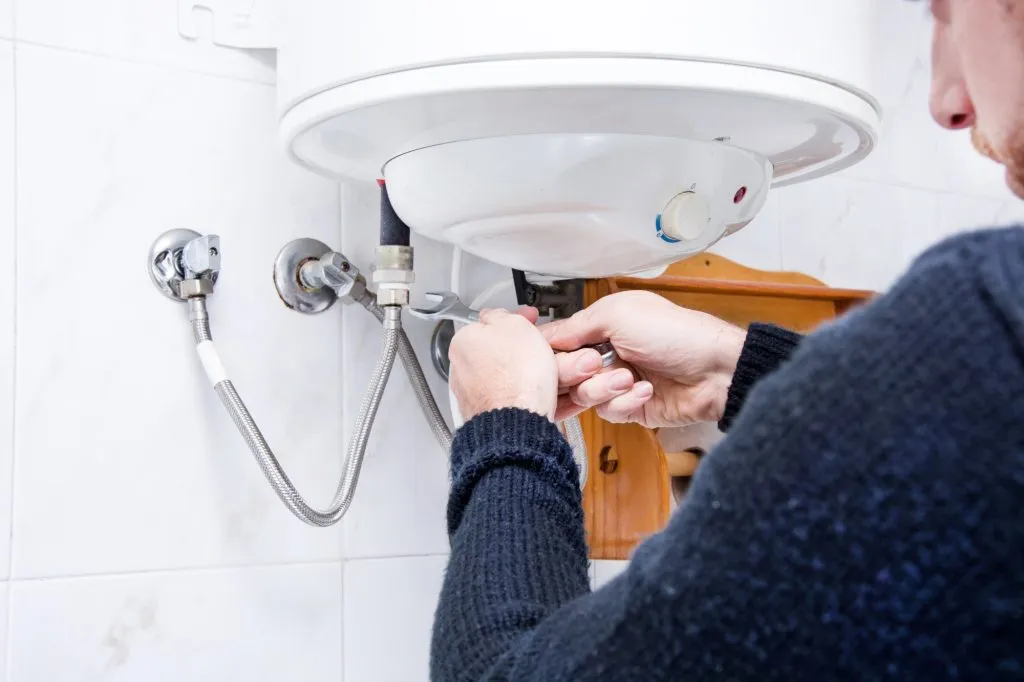
A leak around your water heater can feel like a small problem at first, until it spreads under flooring, soaks drywall, and reaches electrical outlets. In Toronto homes and condos, even a slow drip can become expensive if it goes unnoticed for a few hours. That is why an emergency water heater leak should be treated as an urgent home-protection situation, not a “wait and see” issue. The right steps can reduce damage, lower safety risks, and help you decide whether you need a repair, a replacement, or a broader mechanical check.
At Applied Energy HVAC, we respond to emergency calls across Toronto and surrounding areas for leaks, no-hot-water complaints, and water heater failures that happen at the worst time. This guide explains exactly what to do during an emergency water heater leak, how to shut things down safely, how to find the source, what is safe to do yourself, and what to do next so you can restore reliable hot water without guessing.
Understand Why An Emergency Water Heater Leak Is A Big Deal
An emergency water heater leak is not just about water on the floor. It is about what that water can reach. Water can travel under laminate, seep into subfloors, wick up drywall, and ruin baseboards and insulation. If the leak happens near a furnace, electrical panel, sump pump, or storage area, damage can multiply quickly. In finished basements and condo utility closets, it can also lead to odours and moisture issues that are harder to fix than the original leak.
An emergency water heater leak can also create safety hazards. Electric tanks have wiring and elements that should never be exposed to moisture. Gas units involve combustion and venting, so shutdown steps must be done correctly. Even if the leak looks manageable, treat it seriously and start with a safe, structured response.
The Most Common Ways Leaks Escalate
Many homeowners think a small puddle is harmless, then discover the water ran under flooring or into a wall cavity. An emergency water heater leak escalates fast when water is allowed to keep flowing into the tank.
The Faster You Act, The More Money You Save
Stopping water flow quickly is the most important emergency water heater leak step. Every minute the supply stays on increases the potential for damage.
Step One: Make The Area Safe Before You Touch Anything
Before you start turning valves, look around and assess safety. If water is on the floor near outlets, power bars, or appliances, avoid stepping into the puddle. If the leak is near an electrical panel, extension cord, or exposed wiring, treat the area as unsafe until power is shut off. A wet utility room during an emergency water heater leak is a slip hazard too, so move slowly and keep a clear path.
If you smell gas in the area, do not try to troubleshoot the water heater. Leave immediately and follow your emergency procedure. An emergency water heater leak is stressful, but gas safety must come first. Once the area is safe, you can proceed to shut off the water supply.
Use A Flashlight If You Need It
If the room is dark and water is present, a flashlight is safer than flipping switches near wet floors. This keeps the emergency water heater leak response safer.
Keep Children And Pets Away
Restrict access to the area. During an emergency water heater leak, hot surfaces, wet floors, and sharp edges create avoidable risk.
Step Two: Shut Off The Water Supply Immediately
The fastest way to limit damage in an emergency water heater leak is to stop new water from entering the tank. Find the cold water shutoff valve feeding the water heater. It is usually on the cold line above the unit. Turn it clockwise until it stops. In many cases, this one action slows the leak dramatically.
If that valve is stuck, missing, or does not stop the flow, shut off the main water supply to the home. Then open a hot water faucet at a sink or tub to relieve pressure. Relieving pressure can reduce the force pushing water out through the leak point, which often makes the emergency water heater leak easier to control.
How To Confirm The Water Is Off
Watch the leak for a few minutes after shutting off the supply. If water continues to flow steadily, use the main shutoff as part of your emergency water heater leak procedure.
Open A Hot Tap To Reduce Pressure
Opening a hot tap helps reduce pressure and can reduce ongoing dripping. It is a simple step that supports any emergency water heater leak response.
Step Three: Shut Off Power Or Gas To Prevent More Damage
Once water is off, shut down the energy source. This protects the unit and reduces safety risk. For electric tanks, turn off the breaker labelled for the water heater. Electric elements can burn out if the tank drains below the element level. During an emergency water heater leak, turning off the breaker is not optional, it is protective.
For gas tanks, turn the gas control knob to the off position. If you are not confident, do not force controls. If the emergency water heater leak involved heavy water or you suspect anything abnormal with combustion or venting, call for professional help.
Electric Water Heater Safety During A Leak
If you see water near wiring access panels, shut off the breaker before getting close. An emergency water heater leak around electrical components is not a safe DIY environment.
Gas Water Heater Safety During A Leak
Turn the control to off and avoid relighting anything. If you ever smell gas during an emergency water heater leak, leave the area and follow your safety procedure.
Find The Leak Source: Where The Water Is Actually Coming From
Once the area is safe and the system is shut down, identify the leak source. This determines what to do next. Many emergency water heater leak situations are caused by fittings and valves, not the tank itself. That is good news because those issues may be repairable. True tank leaks, especially from the bottom seam, usually mean replacement.
Use a towel to dry the exterior of the unit, then watch closely to see where fresh water appears. Start at the top connections where hot and cold lines connect. Look at the shutoff valve, flexible connectors, and any unions. Then check the temperature and pressure relief valve and its discharge pipe. After that, inspect the drain valve near the bottom. Finally, look for water seeping from the tank body or base.
Top Connection Leaks Can Look Like Bottom Leaks
Water often runs down the outside of the tank. During an emergency water heater leak, do not assume the tank is failing until you confirm where the water starts.
Relief Valve Dripping Needs Attention
A relief valve can drip due to pressure issues, thermal expansion, or valve wear. A steady drip can still be an emergency water heater leak because it can worsen and it signals a system condition that should be corrected.
Decide What To Do Next Based On The Leak Type
After you locate the leak, choose the next step. If the emergency water heater leak is from a fitting, shutoff valve, relief valve, or drain valve, repair may be possible. If the leak is from the tank body or seams, replacement is usually the safest option. Tank corrosion does not reverse, and sealants are not a reliable fix under heat and pressure.
This is also the moment to think about risk. If the unit is older, if corrosion is visible, or if the leak is increasing, treat it as urgent. A worsening emergency water heater leak can turn into a full tank rupture that floods the area quickly.
When A Repair Is Often Reasonable
Repairs are common for connection leaks and failing valves. A technician can replace parts, verify pressure conditions, and test safe operation so the emergency water heater leak does not return.
When Replacement Is Usually The Right Answer
If the tank itself is leaking, replacement is typically the only reliable solution. A tank-based emergency water heater leak often worsens without warning.
Emergency Water Heater Leak Checklist
- Keep people away from the leak area and avoid standing water near outlets
- Shut off the cold water supply to the water heater immediately
- If needed, shut off the main water supply to the home
- Open a hot tap to relieve pressure and reduce dripping
- Shut off the breaker for electric units or turn gas control to off for gas units
- Contain water with towels, buckets, and a wet vacuum if available
- Identify the leak source: top fittings, relief valve, drain valve, or tank seam
- Arrange Water Heater Repair & Installation if the leak is active or the source is unclear
This checklist covers the essential steps for an emergency water heater leak so you can limit damage and move to the right repair path.
Contain Water Damage And Start Drying Right Away
Even when the leak stops, you still have moisture to deal with. Use towels and a wet vacuum to remove standing water. Move stored items away from the area and elevate what you can. Set up fans and a dehumidifier if available, especially in finished spaces. Quick drying is one of the most important steps after an emergency water heater leak because it reduces swelling, staining, and lingering odours.
Also check adjacent rooms and corners. Water can travel under flooring and behind baseboards. If the emergency water heater leak ran for a while, inspect drywall edges and carpet tack strips for dampness. If materials are saturated, professional drying may be needed to prevent longer-term moisture issues.
Watch For Hidden Water Migration
During an emergency water heater leak, water can run along pipes and joists to areas that look unrelated. A quick inspection can prevent surprises later.
Know When Cleanup Becomes More Than DIY
If water reached drywall, insulation, or carpet, professional drying may be the safest option. A large emergency water heater leak can hide moisture that causes future problems.
Why Water Heaters Leak: The Most Common Root Causes
Understanding the cause helps you prevent a repeat emergency water heater leak. Many leaks start with wear at valves and fittings. Over time, vibration, mineral buildup, and corrosion weaken connections. Relief valves can also start to seep if pressure conditions are not stable.
Tank leaks are usually caused by corrosion and age. Sediment builds up at the bottom of the tank, which reduces efficiency and can accelerate internal wear. The anode rod inside the tank is designed to protect the tank, but once it is depleted, corrosion can attack steel components. When that happens, an emergency water heater leak may be the first sign that the tank is at end of life.
Pressure Issues And Thermal Expansion
If your home has a backflow preventer or pressure reducing valve, pressure can rise as water heats. This can cause relief valve dripping and contribute to an emergency water heater leak pattern that repeats.
Sediment And Efficiency Problems
Sediment reduces heat transfer and can lead to rumbling noises and hotter spots inside the tank. That stress can shorten lifespan and increase the chance of an emergency water heater leak.
Prevention Steps To Reduce The Risk Of Another Emergency
After you resolve the immediate emergency water heater leak, prevention is worth the effort. Know the age of your unit and plan replacement before failure when possible. Watch for early signs like rust on fittings, dampness around the base, relief valve dripping, rumbling sounds, or inconsistent hot water.
Consider adding leak detection. A simple leak alarm near the tank can warn you early. In some homes, automatic water shutoff devices add another layer of protection. Preventive steps are especially valuable in condos and finished basements where an emergency water heater leak can damage multiple units or expensive finishes.
Learn Where Your Shutoff Valves Are Before An Emergency
A major reason emergency water heater leak events get worse is that people cannot find the shutoff valve quickly. Practice locating it now so you can act fast later.
Schedule Professional Maintenance If You See Early Warning Signs
If the tank is older or showing corrosion, a professional inspection can help you avoid a sudden emergency water heater leak. This is where Water Heater Repair & Installation service can be used as an internal link.
When A Water Heater Leak Connects To Other HVAC Systems
Some properties do not have a standalone tank only. Some use indirect tanks tied to boilers. Others have mechanical rooms where the water heater sits near other equipment that can be affected by water. If your emergency water heater leak occurred near other systems, it may be smart to assess the whole mechanical space.
Applied Energy HVAC supports Water Heater Repair & Installation for leak response and replacement planning. We also provide Boiler Repair & Installation for homes with boiler-connected hot water systems, plus Furnace Repair & Installation and Heat Pump Repair & Installation for broader comfort planning. Including these service names in your content makes internal linking easy when the reader needs help beyond the immediate emergency water heater leak.
Indirect Hot Water Systems Can Change The Diagnosis
If your hot water is connected to a boiler, the leak may involve piping, valves, or the tank itself. A boiler-connected emergency water heater leak often needs a coordinated approach.
Mechanical Room Flooding Can Impact Heating Equipment
If water reaches a furnace base, pumps, or controls, you may have more than a water heater issue. It is better to inspect early than discover secondary failures later.
Why Choose Applied Energy HVAC
An emergency water heater leak needs fast action and accurate diagnosis. Applied Energy HVAC helps Toronto homeowners and property managers stop damage, restore safe hot water, and choose the most practical next step. We focus on clear communication and safe processes, so you understand whether repair is possible or replacement is the safer choice.
Applied Energy HVAC provides Water Heater Repair & Installation for emergency leaks, repairs, and replacement planning. We also support Boiler Repair & Installation, Furnace Repair & Installation, and Heat Pump Repair & Installation for properties where systems overlap and a water heater leak affects more than one part of the mechanical setup. When you want fewer surprises and a more reliable home system, we help you build a plan that reduces the risk of another emergency water heater leak.
Stop The Leak Quickly And Restore Hot Water Safely
An emergency water heater leak is stressful, but the right steps protect your home and your safety. Make the area safe, shut off water, shut off power or gas, relieve pressure, contain the water, and identify the leak source. If the leak is from a fitting or valve, repair may be possible. If the tank itself is leaking, replacement is usually the most reliable solution.
If you are dealing with an emergency water heater leak in Toronto or the GTA, Applied Energy HVAC is ready to help. We can diagnose the problem, repair what is repairable, and replace what is unsafe to keep running. Acting quickly is the best way to limit damage and restore dependable hot water.
Frequently Asked Questions
- What is the first step during an emergency water heater leak?
Shut off the cold water supply to the tank and keep the area safe from electrical hazards. - Should I shut off the breaker during an emergency water heater leak?
Yes. For electric units, turning off the breaker is an important emergency water heater leak safety step. - Why is my emergency water heater leak coming from the relief valve?
It may be high pressure, thermal expansion, or a worn valve. A steady drip should be inspected. - Can I keep using hot water during an emergency water heater leak?
It is not recommended. An emergency water heater leak can worsen quickly and cause more damage. - Does an emergency water heater leak always mean I need a new tank?
Not always. Valve and fitting leaks may be repairable, but tank body leaks usually require replacement. - How do I know if the tank is failing during an emergency water heater leak?
If water seeps from seams or the base pan after you dry the exterior, the tank may be failing. - When should I call a professional for an emergency water heater leak?
Call if the leak is active, the source is unclear, water is near electrical components, or you suspect a tank leak.