
Are Heat Pumps Worth It in Ontario? Efficiency vs. Cost
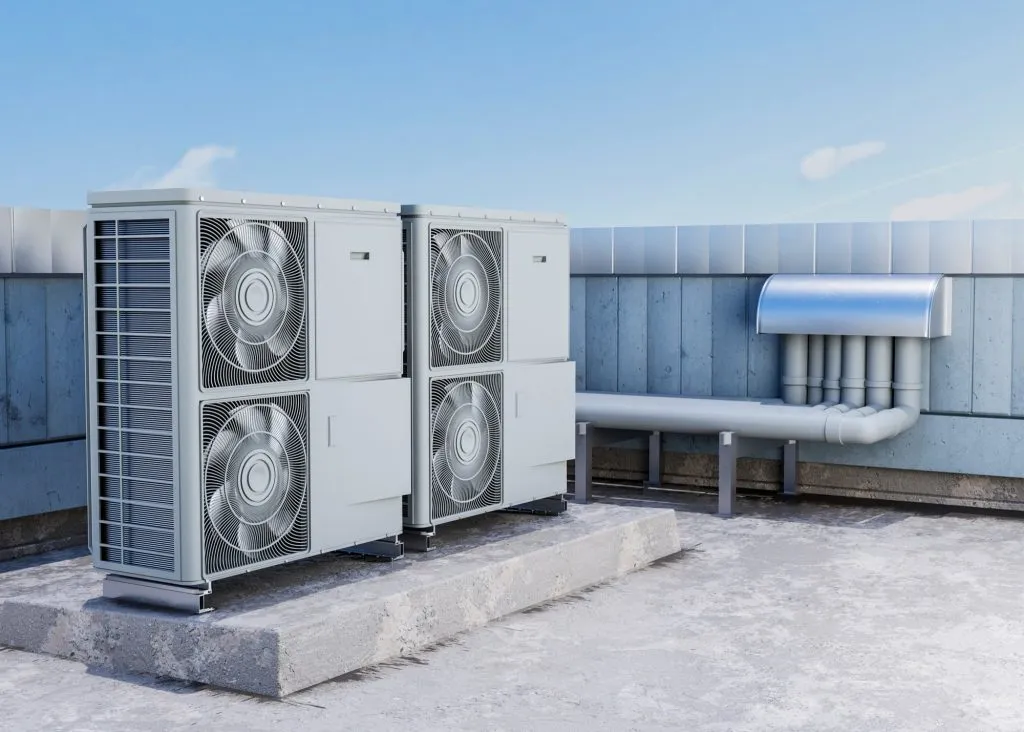
Ontario homeowners are asking a simple question with a complicated answer. Are heat pumps Ontario a smart upgrade for comfort and savings, or do cold winters erase the benefits. The truth depends on design, installation quality, electricity and gas prices, and the way you operate the system. On behalf of Applied Energy HVAC, this guide breaks down performance, costs, and payback so you can decide with confidence. You will learn how heat pumps Ontario deliver efficient heating and cooling, what matters most in cold weather, and where the money is won or lost over time.
Heat pumps Ontario are not one size fits all. Ducted systems, ductless minisplits, and cold climate models behave differently in January than they do in May. The right choice is grounded in real measurements, an honest review of your home’s envelope, and clear expectations about auxiliary heat. By the end, you will know when heat pumps Ontario shine, how to avoid common pitfalls, and how to plan a project that pays off in comfort and lower bills.
What A Heat Pump Is And How It Performs In Ontario
Heat pumps move heat rather than create it by combustion. In summer they transfer heat out of the house, and in winter they bring heat inside from outdoor air. That simple process is why heat pumps Ontario can deliver two services with one efficient system, but cold weather changes the math. As outdoor temperatures fall, the unit works harder and needs careful sizing and setup to keep capacity strong.
Heat pumps Ontario succeed when three conditions are met. First, the equipment is truly cold climate rated, with variable speed compression and smart defrost. Second, airflow and refrigerant charge are correct so the outdoor coil can pull in available heat. Third, the building envelope is tight enough that your rooms do not leak energy faster than the system can replace it. When these pieces align, heat pumps Ontario deliver steady comfort with manageable bills through most winter days.
Cold Climate Capabilities
Modern cold climate heat pumps Ontario maintain useful capacity at lower outdoor temperatures by using larger coils, better electronics, and refined expansion control. Many models keep meaningful output below minus fifteen degrees Celsius, and some continue to operate below minus twenty. This does not remove the need for auxiliary heat on the very coldest nights, but it shrinks the number of hours when backup is used, which keeps costs down.
Airflow And Ductwork Reality
Ducts make or break performance. If static pressure is high or return air is undersized, heat pumps Ontario will run at higher speeds, get noisier, and consume more energy. A proper assessment measures static pressure, checks filter resistance, and confirms that registers and returns can move the volume of air the system needs. When ducts are right, the heat pump can run longer at low speed, which is quieter and cheaper.
Efficiency vs. Cost: How To Compare In Plain Language
The heart of the decision is seasonal efficiency. Heat pumps Ontario express performance as HSPF or a seasonal heating number that accounts for weather. A system that hits its rated efficiency on paper may miss the mark in the field if airflow, charge, or controls are off by even a little. That is why a measured approach matters more than spec sheets alone.
Total cost includes more than the equipment. When evaluating heat pumps Ontario, add installation, any electrical work, duct improvements, and the price of a smart thermostat that stages auxiliary heat correctly. On the savings side, count reduced spending on cooling in summer and lower gas use for heating. When you include both seasons, many homes see a practical payback period even in colder parts of the province.
Electricity And Gas Price Balance
Bills are driven by local rates. If your home pays a favorable electricity rate and a higher gas price, heat pumps Ontario often win quickly. If electricity is costly and gas is inexpensive, the payback is slower, but still achievable when the home’s envelope is improved or when an older air conditioner is due for replacement and the incremental cost to step up to a heat pump is modest.
Auxiliary Heat Strategy
Auxiliary heat is not a failure. It is a tool. The goal with heat pumps Ontario is to minimize auxiliary hours without sacrificing comfort. Proper lockout settings, recovery rates, and thermostat programming help the heat pump do most of the work while strips or a furnace provide targeted help during the coldest hours. This strategy keeps rooms warm and bills reasonable.
Comfort Factors That Matter Day To Day
Homeowners choose heat pumps Ontario for comfort as much as savings. Variable speed equipment runs longer at low output, which reduces temperature swings and drafts. That steady operation also filters air more consistently and can manage humidity better in shoulder seasons. If your home has rooms that drift warm or cool, zoning with ductless heads or dampers in a ducted system helps tailor comfort to each space.
Two design choices improve how heat pumps Ontario feel in January. The first is a thermostat with intelligent staging that learns your home and limits unnecessary auxiliary heat. The second is careful attention to airflow. Slightly higher supply temperatures, correct register placement, and balanced returns help the home feel warm even when discharge air is cooler than a furnace.
Noise And Outdoor Placement
Quieter operation is a common win for heat pumps Ontario, but placement matters. Keep the outdoor unit away from bedroom windows and give it clear intake space. Use sturdy pads and vibration isolation. In snowy regions, consider a stand to keep the base above drifts. These small details protect performance and keep nighttime sound levels low.
Practical Steps That Increase ROI
- Seal attic bypasses and add insulation before or alongside the upgrade
- Replace high resistance filters with manufacturer approved options
- Keep two to three feet of clearance around the outdoor unit year round
- Set gentle thermostat schedules that avoid frequent temperature jumps
- Rinse outdoor coils gently in spring and fall to remove dust and pollen
- Use ceiling fans at low speed in winter to even out room temperatures
- Keep service reports and energy bills in one folder to track real results
Each step helps heat pumps Ontario run in their best efficiency range and makes savings more predictable.
What A Professional Assessment Should Include
A strong project begins with measurement. A technician should calculate heat loss, verify duct static pressure, confirm electrical capacity, and inspect outdoor placement. For older homes, a return air evaluation is essential. When returns are undersized, heat pumps Ontario struggle to move enough air at low speed and comfort suffers. Correcting this early avoids repeat calls later.
The proposal should compare options. Many households review a ducted heat pump, a hybrid that pairs a heat pump with a gas furnace, and a ductless solution for problem rooms. The goal is not to upsell. The goal is to match heat pumps Ontario to your home’s actual load and living patterns so the final choice delivers the feel and budget you want.
Controls, Sensors, And Defrost
Controls are the brain of the system. A professional will set outdoor temperature lockouts, auxiliary heat staging, and defrost parameters according to your model and microclimate. In lake effect areas, defrost behavior matters because frost can form quickly. Well tuned heat pumps Ontario clear the coil efficiently and return to heating with minimal disruption.
Commissioning And Documentation
After installation, commissioning should record static pressure, temperature split, superheat, and subcooling so future service has a baseline. You should receive a simple summary with settings and tips for everyday use. This step locks in the efficiency you paid for and prevents small drifts from eroding savings over time.
Maintenance That Protects Performance
Heat pumps Ontario thrive on clean airflow and accurate sensors. Seasonal service includes cleaning indoor and outdoor coils, checking drains, testing capacitors and contactors, and verifying charge under typical conditions. The visit should also review thermostat schedules and confirm that auxiliary heat settings still reflect your preferences.
A little homeowner care goes a long way. Replace filters on schedule, keep shrubs trimmed, and gently rinse the outdoor coil when dusty. Pay attention to new noises or icing that lingers after defrost. Early calls prevent bigger problems and keep heat pumps Ontario running at their best during the first deep freeze.
Energy Guidance From Canadian Sources
Independent resources help you plan upgrades that support heat pumps Ontario. Start with Natural Resources Canada’s Energy Efficiency for Homes, which explains insulation, air sealing, and equipment choices. You can explore the materials through Natural Resources Canada. The Government of Canada also maintains an Energy Efficiency hub with practical guidance. Combining envelope work with heat pumps Ontario reduces load and improves comfort across every season.
These pages are not sales brochures. They provide neutral education that makes your investment more successful. When you pair building improvements with the right system, heat pumps Ontario can outperform expectations and keep bills steady even when weather swings.
Why Choose Applied Energy HVAC
Applied Energy HVAC plans, installs, and maintains heat pumps Ontario with an instrumented process that removes guesswork. We begin with a conversation about comfort, then gather the measurements that matter. We size equipment to your real heat loss, not just square footage, and we adjust duct systems so airflow lands in the sweet spot for quiet, efficient operation. Commissioning includes a full set of readings you can keep, along with plain language guidance for daily use.
Our service does not end on install day. We provide seasonal maintenance and performance checkups so heat pumps Ontario continue to deliver stable comfort through winter. If a hybrid setup is a better match for your budget and location, we present that option clearly and let you choose. Our goal is a warm home, predictable bills, and a system you hardly have to think about.
Are Heat Pumps Ontario Worth It
For many Ontario homes the answer is yes, with the right design and setup. The best results appear when the building envelope is improved, ducts are verified, and a true cold climate model is selected. Even without major renovations, heat pumps Ontario can provide excellent summer savings, strong fall and spring heating, and a reduced need for gas or electric auxiliary during most winter hours. When local rates are favorable and the installation is tuned carefully, payback arrives while comfort improves.
If your home has very high heat loss, unusual duct restrictions, or limited electrical capacity, a hybrid design may deliver a better balance. In that case the heat pump handles the bulk of mild and moderate weather, while an efficient furnace covers rare deep cold. This approach lets you capture most benefits of heat pumps Ontario without forcing the system to carry hours it was not designed for.
Ready To Decide On Heat Pumps In Ontario?
A good decision blends numbers with experience. Heat pumps Ontario offer efficient, quiet comfort across most of the year, with performance that holds up in cold weather when equipment is selected and commissioned correctly. Costs are controlled by smart design, gentle thermostat strategies, and envelope upgrades that let the system run longer at low speed. With the right plan, the upgrade is worth it because you gain year round comfort and reliable bills.
If you want a clear answer for your specific home, schedule an assessment with Applied Energy HVAC. Call (416) 992 1163 or (416) 219 7723, or email info@aehvac.ca. We will measure what matters, compare options including heat pumps Ontario and hybrids, and provide a straightforward proposal that aligns with your comfort and budget goals.
Frequently Asked Questions
1) Do heat pumps Ontario work during very cold weeks?
Cold climate models keep useful capacity well below freezing and continue to operate in deeper cold with help from auxiliary heat. The key is sizing, airflow, and controls that stage backup only when needed.
2) Will heat pumps Ontario raise my electricity bill?
Electric use rises because the system is electric, but overall energy spending can drop when cooling becomes more efficient and when auxiliary heat is limited to rare hours. Envelope improvements amplify the savings.
3) Can my existing ducts handle heat pumps Ontario?
Many can with modest adjustments. A pressure test reveals if returns are undersized or if restrictions exist. Correcting static pressure helps the equipment run quietly at efficient speeds.
4) How do heat pumps Ontario compare to a new high efficiency furnace?
A furnace offers hot supply air and simple operation, but it uses fuel for heating and needs a separate air conditioner for summer. Heat pumps Ontario provide both services with one system and can reduce fossil fuel use, especially in shoulder seasons.
5) What maintenance do heat pumps Ontario need?
Seasonal coil cleaning, filter replacement, drain checks, electrical testing, and charge verification under typical conditions. These steps keep the system efficient and prevent nuisance lockouts.
6) Do rebates or programs help with heat pumps Ontario?
Programs change over time. Use Natural Resources Canada and Government of Canada energy pages to watch for current incentives that can improve project economics and support envelope upgrades alongside equipment.
7) How long does installation of heat pumps Ontario take?
Most ducted replacements take one to two days once electrical work and duct changes are planned. Ductless systems can be faster for a single zone and longer for multi zone projects. Commissioning is included so the system is verified before handoff.