
When to Replace Your Water Heater: Repair vs. New Installation
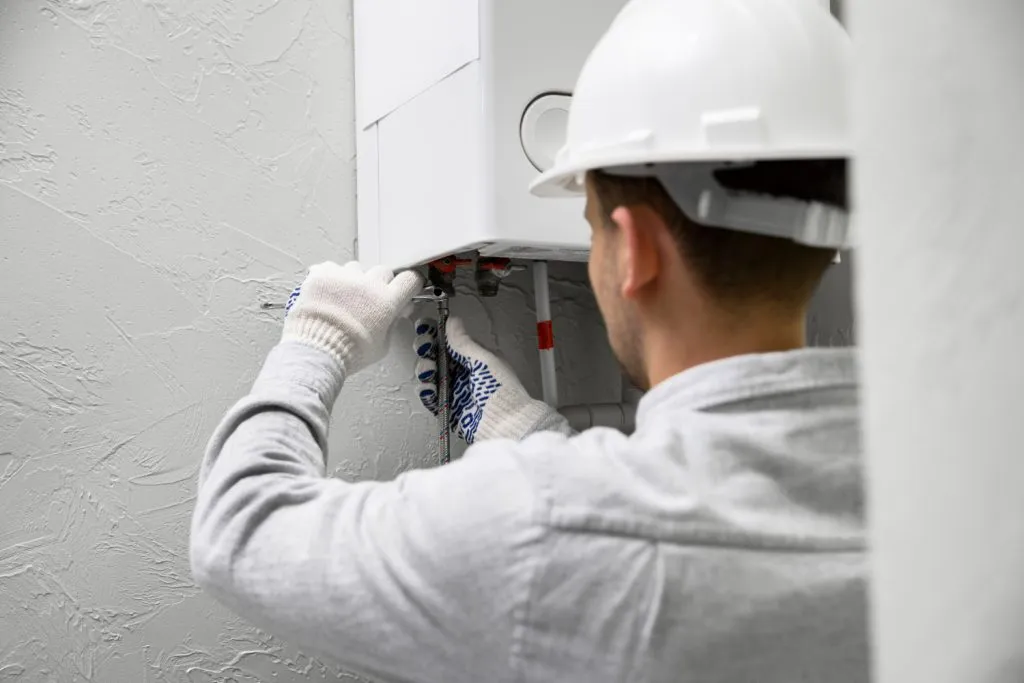
Your water heater is one of the hardest working appliances in your home, quietly providing hot water for showers, dishes, laundry, and cleaning every single day. Because the tank is usually tucked away in a closet, basement, or mechanical room, most homeowners only think about it when there is a problem. A clear understanding of typical lifespan, performance trends, and failure patterns will help you decide when water heater replacement is a smarter choice than another repair, especially in the middle of a busy Ontario winter. Instead of waiting for a leak or complete breakdown, you can plan ahead and protect your home from damage, cold showers, and emergency costs.
Most standard tank style units last about eight to twelve years, depending on how they were installed, the quality of the water, and how often they have been maintained. As equipment ages, corrosion, scale buildup, and component wear make failures more likely and efficiency lower. At a certain point, water heater replacement gives you more value than putting new parts into a rusty tank. On behalf of Applied Energy HVAC, this guide explains how to read the signs, how to compare short term repair bills with long term operating costs, and how to choose the right solution for your family.
Warning Signs That Point To Water Heater Replacement
The first step is knowing which symptoms are early warnings and which are red alerts. Some issues, like a pilot light that will not stay lit or a single failed heating element, might be fixable. Others, such as rusty water or a leaking tank shell, almost always mean it is time for water heater replacement. Listening and looking carefully at your system can save you from a sudden loss of hot water when the temperature outside is below freezing and plumbers are at their busiest.
Common warning signs include rumbling or popping noises as scale traps water and causes mini boiling events at the bottom of the tank, discolored hot water that looks rusty or has a metallic taste, and moisture that pools around the base of the tank. Frequent resets, tripped breakers, or gas control errors are another indicator that internal parts are reaching the end of their usable life. If your unit is approaching ten years old and shows several of these symptoms at once, scheduling a professional inspection focused on water heater replacement is usually the safest move.
Safety Red Flags You Should Never Ignore
Some warning signs move water heater replacement from a planning conversation into an urgent safety issue. The smell of gas, visible flame rollout, scorch marks, or soot around the burner access panel all point to problems that need immediate attention. A temperature and pressure relief valve that discharges hot water constantly, rather than only during rare overpressure events, can signal dangerous internal conditions. If you ever see water leaking from seams in the tank body itself, the metal is compromised and water heater replacement becomes non negotiable because the tank cannot be safely repaired.
When A Repair Still Makes Sense
Not every issue means you must replace the tank right away. A thoughtful decision compares the age and condition of the unit with the cost and impact of a repair. If your system is still relatively young, shows no signs of corrosion, and has not required frequent service, a targeted fix may be the best option. In these cases, water heater replacement can be postponed until you have received more years of reliable service from the existing equipment.
Repairs usually make sense when the problem is limited to external components, such as a faulty thermostat, a failed heating element in an electric model, or a worn drain valve that can be replaced without disturbing the tank itself. When Applied Energy HVAC evaluates a system, the technician will examine the tank, fittings, and controls, then explain whether a repair is likely to deliver several more stable years or whether it is only a short term patch that delays an inevitable water heater replacement by a few months.
How To Judge Repair Value
A simple rule of thumb compares the price of the repair with the cost of a new system. If a single repair is approaching half the price of a comparable new tank and the unit is already eight to ten years old, that money may be better invested in water heater replacement. On the other hand, a modest repair on a six year old tank that has been well maintained is usually a reasonable choice, especially if it is the first time you have had trouble with the equipment.
Cost Comparison: Repair Versus Water Heater Replacement
Financial factors are often the deciding piece of the puzzle. The most obvious cost is the repair or installation invoice, but there are several layers beneath the surface. You need to account for the risk of additional repairs, the possibility of water damage from a leak, and the ongoing energy consumption of an older, less efficient unit. When you consider all of these, water heater replacement often becomes more attractive than it first appears.
Upgrading to a newer model can reduce energy usage due to better insulation, more efficient burners or elements, and smarter controls. Even if the new tank uses the same fuel source, improvements in design mean it can deliver the same amount of hot water while burning less gas or using less electricity. Over the life of the appliance, these savings can offset much of the upfront cost of water heater replacement. When you add the avoided expense of emergency service calls, the financial picture becomes even clearer.
Questions To Ask Before You Decide
- How old is your current tank, and has it needed repairs in the last two years
- Is the tank itself showing signs of rust, bulging, or seam leaks
- Have your energy bills increased even though your hot water usage has stayed the same
- Does your household often run out of hot water at busy times of day
- Are there new efficiency standards or rebate programs that reward water heater replacement
- Would water damage from a tank failure cause serious disruption or property loss
- Are you planning other upgrades, like a finished basement or bathroom addition, that would benefit from a larger or more efficient water heater replacement
Choosing The Right Type Of Water Heater Replacement
If you decide that water heater replacement is the right move, the next decision is what type of system will suit your home and lifestyle. Traditional tank style units remain popular because they are familiar, reliable, and usually have the lowest upfront cost. Tankless or on demand models provide hot water as it is needed, which eliminates standby losses and can save energy for households with variable usage patterns. There are also hybrid and heat pump style units that draw heat from the surrounding air, which can be very efficient in certain applications.
Capacity is another key factor. A properly sized water heater replacement will match the peak demand of your family without being unnecessarily large. Oversized tanks waste energy by keeping more water hot than you need, while undersized units run out of hot water at inconvenient times. Applied Energy HVAC will review your household routines, number of fixtures, and future plans so that your new system delivers the right balance of comfort and efficiency.
Venting, Location, And Code Requirements
Modern models often have different venting and clearance requirements than older tanks, so any plan for water heater replacement should include a careful look at flue routes, combustion air, and drainage. In some cases, sidewall venting or a different exhaust material is required. The physical location of the heater also matters because proper clearances help ensure safe operation and easier future maintenance. Working with professionals ensures that your water heater replacement meets Ontario codes and manufacturer specifications, which protects both safety and warranty coverage.
Considering Energy Efficiency And Rebates
When evaluating options, remember that governments and utilities sometimes offer financial incentives for high efficiency water heater replacement. Natural Resources Canada provides helpful guidance on choosing efficient equipment and understanding energy labels. The Government of Canada Energy Efficiency hub also shares resources on home upgrades that reduce both energy use and emissions. Reviewing these materials as you plan water heater replacement can help you select a model that qualifies for programs while meeting your comfort needs.
How Installation Quality Affects The Life Of Your Water Heater Replacement
Even the best equipment will not perform well if it is installed poorly. A high quality water heater replacement begins with verifying shutoff valves, checking water pressure, and ensuring that expansion tanks and backflow devices are properly sized. Gas lines are tested for leaks and correct pressure, electrical circuits are confirmed to be appropriately rated, and all connections are made according to local codes. These steps create a safe foundation before the new tank is ever filled with water.
After the unit is installed, technicians should flush the system to remove debris, confirm correct operation of the temperature and pressure relief valve, and verify that thermostats or controls are set for both comfort and efficiency. Applied Energy HVAC uses a detailed checklist so that every water heater replacement is documented, tested, and ready for service. This disciplined approach reduces the chance of callbacks and helps your new system deliver reliable hot water for many years.
Maintenance To Protect Your Investment
Once your water heater replacement is up and running, a small amount of regular care will keep it operating efficiently. Periodic inspections can catch minor issues before they grow, such as a slow drip at a fitting or early signs of scale buildup. In some cases, flushing a small quantity of water from the tank can help reduce sediment accumulation. Anode rods may need checking or replacement depending on water quality, which protects the tank from internal corrosion.
Why Choose Applied Energy HVAC
Choosing the right partner matters just as much as choosing the right equipment. Applied Energy HVAC has extensive experience with repair, maintenance, and water heater replacement for homes across Toronto, Etobicoke, Markham, and Scarborough. The team understands how local water conditions, building layouts, and bylaw requirements affect your options. That knowledge translates into straightforward recommendations that make sense for your family and your budget.
From the first inspection through installation and follow up, Applied Energy HVAC follows a transparent process. Technicians take time to explain whether a repair is likely to be reliable or whether water heater replacement is the wiser long term choice. If you decide to replace, you receive clear options, itemized quotes, and installation details before work begins. The result is a smooth project that restores your hot water quickly and provides peace of mind for future winters.
Make The Right Call On Water Heater Replacement
Deciding between another repair and full water heater replacement can feel complicated at first, but it becomes much clearer when you look at age, condition, safety, and total cost over time. If your tank is approaching or past the typical lifespan, shows signs of corrosion, or has already needed multiple major repairs, replacement is often the most responsible and economical path. On the other hand, a younger, well maintained unit with a simple component failure may still have years of life left.
If you are unsure which category your system falls into, scheduling a professional assessment is the best next step. Applied Energy HVAC will examine your existing unit, discuss your household hot water needs, and provide honest guidance on repair versus water heater replacement. With that information in hand, you can make a confident decision that keeps your home comfortable, safe, and prepared for the seasons ahead.
Frequently Asked Questions
1) How Do I Know If I Really Need Water Heater Replacement Instead Of Another Repair?
If your system is more than ten years old, shows signs of rust or leaking from the tank body, or has required several significant repairs in a short period, it is usually a strong candidate for water heater replacement. A thorough inspection from a qualified technician can confirm whether structural components are failing or whether a repair is still a reliable option.
2) Will Water Heater Replacement Always Save Me Money On Energy Bills?
Water heater replacement with a more efficient model often reduces energy use, especially if your existing unit is older and poorly insulated. Savings depend on the fuel type, efficiency rating, and how your household uses hot water. Over time, lower monthly bills combined with fewer repair costs can make replacement a cost effective decision.
3) How Long Does Professional Water Heater Replacement Usually Take?
Most standard water heater replacement projects can be completed in a single day, assuming venting, gas lines, and electrical supply are in reasonable condition. More complex installations, such as switching fuel types or adding a tankless system, may take longer. Your contractor should explain the expected schedule before work begins.
4) Is Tankless Water Heater Replacement Better Than Installing Another Tank?
Tankless systems can provide endless hot water and eliminate standby losses, which is attractive for many households. However, they require correct gas sizing, venting, and sometimes electrical upgrades. Whether tankless water heater replacement is better than a new tank depends on your budget, usage patterns, and home layout. A professional can help compare both options.
5) What Size Should I Choose For My New Water Heater Replacement?
The right size for water heater replacement depends on your peak hot water demand. Factors include the number of bathrooms, simultaneous uses like laundry and showers, and whether you have large soaking tubs. An installer will calculate the required capacity or flow rate so your new system provides enough hot water without being oversized.
6) Do I Need Permits For Water Heater Replacement In Ontario?
Many municipalities require permits and inspections for water heater replacement, particularly for gas fired equipment. Working with a licensed contractor ensures that permits are obtained, work meets current codes, and all safety checks are completed. This helps protect you from liability and ensures insurance coverage is not affected.
7) How Can I Extend The Life Of My New Water Heater Replacement?
Regular maintenance, such as checking for leaks, keeping the area around the heater clear, and following manufacturer recommendations for flushing and anode rod inspection, can extend system life. Annual checkups help ensure your water heater replacement continues to operate safely and efficiently for many years.