
How To Fix A Leaking Hot Water Heater Emergency Guide?
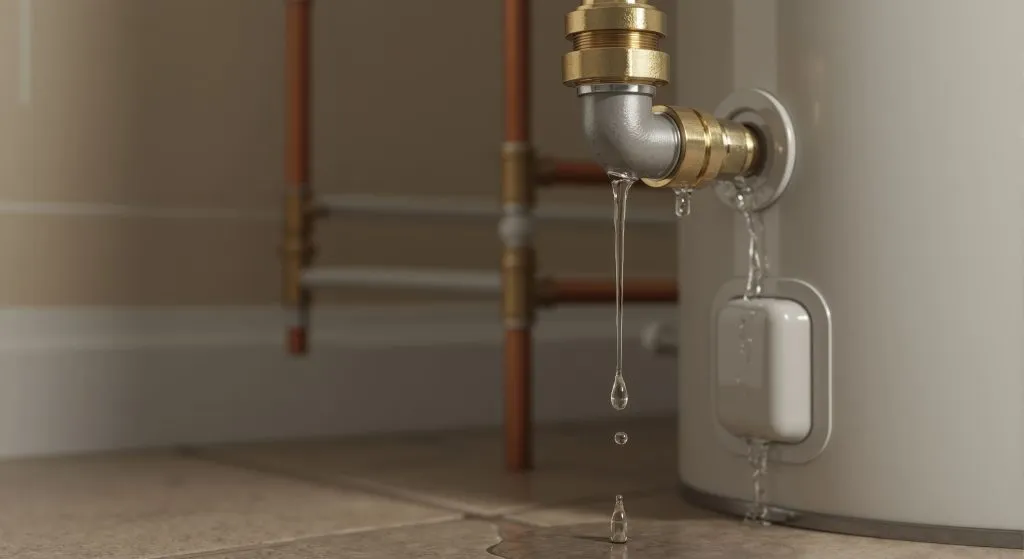
A leaking hot water heater can turn into a costly mess fast. Even a small drip can soak drywall, damage flooring, and create electrical hazards if water reaches outlets or appliances. When the leak is active, the most important goal is to stop the water safely, protect the area, and figure out whether the leaking hot water heater is a simple connection issue or a tank failure that requires immediate replacement.
At Applied Energy HVAC, we respond to emergency calls across Toronto and surrounding areas for leaking hot water heater situations in homes, condos, and light commercial properties. The steps below are designed to help you stay safe and limit damage while you decide what to do next. Keep in mind that a leaking hot water heater can involve electricity, gas, pressure, and very hot water, so if you are unsure at any point, it is safer to shut things down and call a licensed professional.
What To Do Immediately When You Notice A Leaking Hot Water Heater
The first few minutes matter. If the leaking hot water heater is actively spraying, pooling, or dripping steadily, start by protecting yourself and the property. Water and electricity do not mix, and hot water can scald. Use caution in basements and utility rooms where water can flow toward electrical panels, extension cords, or power bars. If the leak is near anything electrical, avoid stepping into standing water until power is made safe.
Next, stop the source. Most emergency damage from a leaking hot water heater comes from continued water flow into the tank. Shut off the cold water supply valve feeding the unit. This is typically located on the pipe entering the top of the tank. Turning this valve off is often the fastest way to slow or stop the leak. If the valve is stuck or missing, shut off the building’s main water supply and open a nearby hot water faucet to relieve pressure and reduce ongoing flow. Once the water is controlled, you can move to power or gas shutoff and then troubleshoot the cause of the leaking hot water heater.
Safety Check Before You Touch The Unit
A leaking hot water heater can create slip hazards and electrical hazards. Wear shoes with traction, keep hands dry, and avoid touching electrical components if water is nearby.
Shut Off Water First, Then Shut Off Energy
Stopping water supply is usually step one. After that, turn off the energy source to prevent overheating or electrical risk while the leaking hot water heater is being handled.
Electric Units: Turn Off The Breaker
If you have an electric tank, turn off the dedicated breaker at the electrical panel before you do anything else around wiring. A leaking hot water heater near electrical connections is not a safe DIY environment.
Gas Units: Set Control To Off And Close Gas If Needed
For gas units, turn the gas control to the off position. If you smell gas, leave the area and follow appropriate safety steps and local guidance. A leaking hot water heater emergency is not the time to guess with gas safety.
How To Locate The Source Of The Leak Quickly
Once the immediate emergency is stabilized, the next step is identifying where the leaking hot water heater is coming from. The location of the leak often tells you whether it can be fixed or whether the tank has failed. Many “tank leaks” are actually connection leaks. That is good news, because a loose fitting or a worn valve can often be repaired. A true tank failure, especially a leak from the bottom seam, usually means replacement is the only reliable solution.
Start with a visual inspection using a flashlight. Look at the top fittings where hot and cold lines connect, then check around valves, the temperature and pressure relief valve, and the drain valve near the bottom. Follow the water trail. Sometimes a leaking hot water heater looks like it is leaking from the bottom, but the water is running down the outside of the tank from a fitting above. Dry the area with towels and watch for fresh water to pinpoint the origin.
Top Connection Leaks And Flexible Lines
If the leak is at the top, you may see water around fittings, flex lines, or shutoff valves. These issues often cause a leaking hot water heater that can be stopped and repaired once the system is safe and depressurized.
TPR Valve Leaks And Discharge Pipes
The temperature and pressure relief valve can drip if pressure is high, if the valve is failing, or if thermal expansion is pushing pressure up. A leaking hot water heater from the relief valve needs attention because it can signal a pressure problem.
Drain Valve Leaks At The Bottom
A drain valve can leak due to sediment buildup or wear. Sometimes tightening or replacing the valve helps, but only after shutting water and power safely. A leaking hot water heater drain valve should never be ignored.
Tank Seam Or Bottom Pan Leaks
If water is coming from the tank body, seams, or bottom pan, the tank may be corroded. In many cases, a leaking hot water heater with a tank seam leak requires replacement, not patching.
Steps To Contain Water Damage While You Troubleshoot
Even after you shut off the supply, there may be significant water left in the tank and plumbing. A leaking hot water heater can continue dripping from residual pressure, and any water already on the floor can spread into finished areas. Start with containment. Use towels, a wet vacuum, and buckets to keep water from reaching drywall, baseboards, or carpet edges. If the unit is near floor drains, clear a path so water flows toward the drain.
If the leaking hot water heater is in a finished basement or a condo mechanical closet, consider moving items away and lifting anything that can be saved. Use fans and dehumidifiers if you have them. Moisture left behind can lead to odours and mould concerns. For flood or water damage situations, Health Canada provides guidance about safety and indoor air considerations during cleanup and moisture events.
Turn Off The Supply And Relieve Pressure
Open a hot water faucet at a sink or tub after shutting off the supply. This helps relieve pressure and can reduce leakage while you work. A leaking hot water heater often slows once pressure is reduced.
Decide Whether To Drain The Tank
If the leaking hot water heater is severe or the tank must be replaced, draining may prevent additional damage during removal. Drain only if you can do so safely and you have a place for the water to go.
How To Drain Safely In An Emergency
Attach a garden hose to the drain valve, run it to a safe drain or outside, and open the valve slowly. Keep a hot faucet open to allow air in. If the drain valve is clogged by sediment, do not force it aggressively, as this can worsen a leaking hot water heater situation.
Why A Leaking Hot Water Heater Happens In The First Place
Understanding the cause helps you choose the right fix. Many leaks come from wear on valves and fittings, but tank failures are usually tied to corrosion and age. Sediment buildup can accelerate wear, reduce efficiency, and stress the tank. Over time, the protective anode rod inside the tank can be depleted, allowing corrosion to attack steel components. Once corrosion breaches the tank, a leaking hot water heater is often beyond repair.
Pressure issues can also contribute. If your home has a pressure reducing valve or a backflow preventer, thermal expansion can increase pressure when water heats. That pressure can trigger relief valve drips. In that case, the leaking hot water heater may be a symptom of expansion control issues rather than tank failure. The right diagnosis matters, because replacing the tank without addressing pressure can lead to recurring problems.
Age And Corrosion Warning Signs
Rust-coloured water, rumbling sounds, frequent relief valve drips, and visible corrosion on fittings can signal end-of-life issues. A leaking hot water heater that is older and shows corrosion often needs replacement planning.
Sediment Buildup And Efficiency Loss
Sediment acts like insulation between the burner or elements and the water. That forces longer heating cycles and can increase operating costs. Natural Resources Canada discusses water heater options and efficiency considerations for homeowners.
Installation And Venting Factors For Gas Units
Improper venting, poor combustion air, and incorrect installation can create performance issues that show up as moisture, corrosion, and premature failure. If your leaking hot water heater is gas-fired, a professional inspection is wise.
Temporary Fixes Versus Permanent Solutions
Many people want a quick patch, but not every leak can be patched safely. If the leaking hot water heater is caused by a loose fitting, a failing valve, or a minor connection issue, the repair may be straightforward. If the tank is leaking, temporary sealants are not a reliable fix and can create more damage if they fail under heat and pressure.
The safest approach is to categorize the leak. Connection leak equals possible repair. Valve leak equals possible repair. Tank leak equals replacement. If you are unsure, assume the situation requires professional help. Applied Energy HVAC can assist through Water Heater Repair & Installation to diagnose the cause and recommend the safest next step for your property.
When A Connection Tightening Might Help
If the leak is from a threaded connection above the tank and you can access it safely, tightening may stop a minor drip. Only do this after shutting off water and power, and only if the area is dry and safe.
When Replacement Is The Only Smart Choice
A leaking hot water heater tank body leak is usually not repairable. Replacement reduces the chance of a sudden burst that floods a home or mechanical room.
Choosing The Right Replacement Type
Your best replacement depends on fuel type, demand, space, and budget. Some properties consider upgrading to heat pump water heaters or high-efficiency models. If you are planning broader mechanical improvements, Heat Pump Repair & Installation and Boiler Repair & Installation can also be relevant internal links depending on your system layout.
Emergency Checklist For A Leaking Hot Water Heater
- Keep people away from standing water near electrical outlets
- Shut off cold water supply to the leaking hot water heater
- Turn off breaker for electric units or turn gas control to off for gas units
- Open a hot faucet to relieve pressure and reduce active leaking
- Contain water with towels, wet vac, or buckets to protect flooring and drywall
- Identify leak location: top fittings, valves, relief valve, drain valve, or tank body
- If tank seam or bottom leak is confirmed, arrange Water Heater Repair & Installation service quickly
This checklist keeps the leaking hot water heater problem from turning into a much larger restoration project.
Prevention Tips To Reduce Your Risk Of Another Leak
Preventive care can lower the odds of a leaking hot water heater and can extend equipment life. Simple steps include checking the relief valve discharge for dripping, watching for corrosion at fittings, and flushing the tank if recommended by the manufacturer and if your water conditions make sediment likely. Many homeowners ignore the water heater until it fails. A small amount of routine attention can prevent surprise emergencies.
Temperature settings also matter. Health Canada recommends setting the water heater to 60°C to reduce the risk of harmful bacteria growth and using anti-scald devices or mixing valves to keep tap temperatures safer, around 49°C. This is important because it balances safety and hygiene. If you lower temperature too far to “save money,” you may create risks you did not intend. If you are unsure, a professional can help you optimize settings, verify mixing valve operation, and reduce scald risk while still keeping the system efficient.
Inspect Shutoff Valves And Know Where They Are
In an emergency, time matters. Knowing how to shut off the supply to the leaking hot water heater can save thousands in damage. Practice locating these valves before an emergency happens.
Consider Leak Detection And Automatic Shutoff
For finished basements and condos, leak alarms or smart shutoff valves can reduce damage from a leaking hot water heater that fails when nobody is home.
Schedule Professional Maintenance
If you have recurring leaks, odd noises, or inconsistent hot water, it is time for an inspection. Water Heater Repair & Installation service can help identify early warning signs and prevent a surprise failure.
Why Choose Applied Energy HVAC
A leaking hot water heater is stressful because it combines safety risk with property damage risk, and it never happens at a convenient time. Applied Energy HVAC supports Toronto-area homeowners and property managers with practical emergency response and clear recommendations. We focus on stopping damage quickly, identifying the real cause, and restoring safe hot water service without unnecessary upsells.
Applied Energy HVAC can help through Water Heater Repair & Installation when the leak needs immediate repair or replacement planning. We also support related mechanical services that often connect to hot water issues, including Boiler Repair & Installation and Furnace Repair & Installation for properties with integrated heating equipment, plus Heat Pump Repair & Installation for buildings that use heat pump technology in their overall comfort and efficiency strategy. When you need reliable help fast, we bring experience, safe process, and a focus on protecting your property.
Stop The Leak Fast And Protect Your Home
A leaking hot water heater should always be treated as an urgent issue. Shut off water, shut off power or gas, contain water damage, and locate the source. Many leaks are fixable if they come from valves or connections, but a tank leak usually means replacement. The safest rule is simple: if you cannot clearly identify and control the leak, stop and call a professional.
If you are dealing with a leaking hot water heater in Toronto or the GTA, Applied Energy HVAC is ready to help. We can diagnose the cause, repair what is repairable, and replace what is unsafe to keep running. The faster you act, the easier it is to prevent water damage and restore normal hot water service.
Frequently Asked Questions
- What is the first step for a leaking hot water heater emergency?
Shut off the cold water supply to the leaking hot water heater, then turn off power for electric units or turn the gas control to off for gas units. - Should I turn off the breaker if my leaking hot water heater is electric?
Yes. If there is any water near wiring, shutting off the breaker helps reduce electrical risk during a leaking hot water heater event. - Can I keep using hot water if the leaking hot water heater is only dripping?
It is not recommended. A leaking hot water heater can worsen quickly, and continuing to heat the tank can increase risk and damage. - Why is my leaking hot water heater dripping from the relief valve?
It may be high pressure, thermal expansion, or a failing valve. A leaking hot water heater relief valve issue should be inspected to confirm safe operation. - Does a leaking hot water heater always mean I need a new tank?
Not always. Leaks from fittings or valves may be repairable, but a leaking hot water heater tank body leak usually requires replacement. - How do I know if the leaking hot water heater is coming from the bottom or from above?
Dry the outside of the tank and watch where fresh water appears. Water running down from top fittings can make a leaking hot water heater look like a bottom leak. - When should I call a professional for a leaking hot water heater?
Call if the leak is heavy, if you see tank seam leaks, if you cannot shut off water safely, or if the leaking hot water heater continues after shutoff.