
What Causes A Heat Pump To Freeze Up In Winter And How To Stop It?
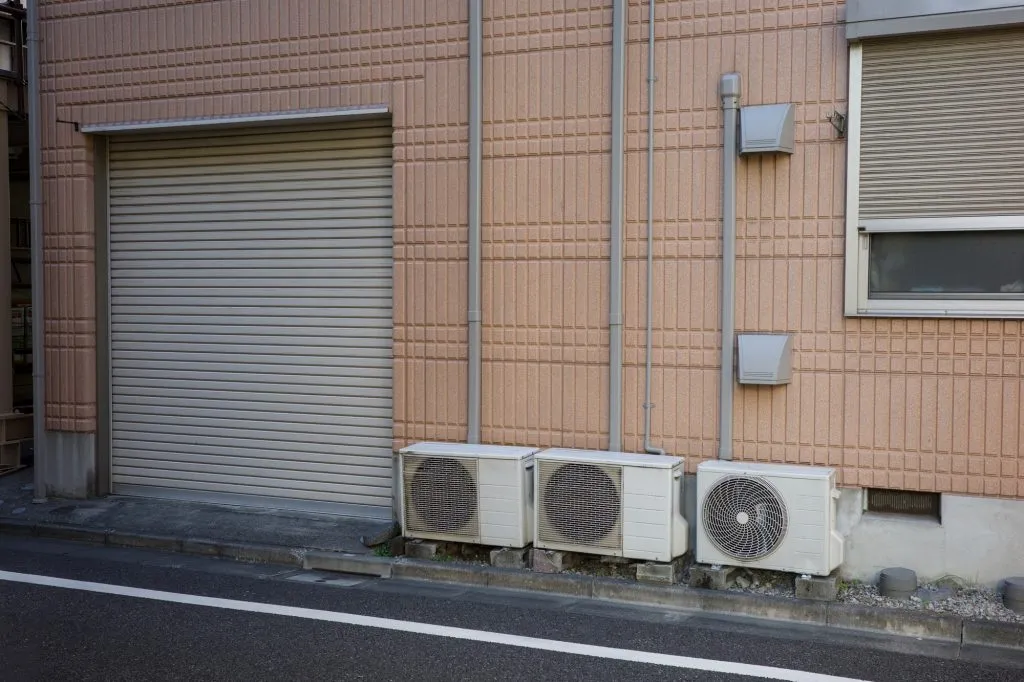
Toronto winters can be tough on heat pumps, especially during damp, near-freezing weather. It is normal to see a light layer of frost on the outdoor unit from time to time, but when you notice a recurring heat pump icing problem that builds into thick ice and does not clear, it is a sign something is not working the way it should. Ice restricts airflow, forces longer runtimes, increases energy costs, and can lead to comfort issues indoors right when you need heat the most.
At Applied Energy HVAC, we handle heat pump calls all winter across Toronto and surrounding areas. In many cases, a heat pump icing problem is caused by something simple like blocked airflow or a drainage issue. In other cases, it points to a defrost control fault, sensor issue, refrigerant imbalance, or a system setup problem that needs professional diagnosis. This guide explains what is normal, what is not, how to troubleshoot safely, and how to prevent the next heat pump icing problem before it turns into a no-heat emergency.
What Is Normal Frost Versus A Heat Pump Icing Problem
A thin, even layer of frost on the outdoor coil is often normal in heating mode. The outdoor coil operates below the outdoor air temperature as it extracts heat, so moisture in the air can freeze on the coil. Most modern systems are designed to handle this through automatic defrost cycles that periodically melt the frost. When everything is working correctly, you might notice frost briefly, then see the unit clear itself and return to normal operation.
A heat pump icing problem is different. It usually shows up as thick ice buildup that covers the coil face, wraps around the outdoor fan grille, or forms a solid block at the base of the unit. If the ice does not clear after a reasonable period, or the system repeatedly struggles to heat the space, the defrost process may not be activating correctly, or something is preventing meltwater from draining away. The longer the heat pump icing problem continues, the harder the system works and the more wear it puts on key components.
Why Heat Pumps Ice Up In Winter Heating Mode
When your heat pump is heating your home, it is pulling heat from outdoor air, even when it feels cold. That process lowers the coil temperature and creates conditions where moisture freezes. A light frost layer is expected in damp winter weather, especially when temperatures hover around freezing.
What You Might Notice During A Normal Defrost Cycle
During a normal defrost, the unit may make a slight change in sound, and you might see steam rising from the outdoor unit as frost melts. That steam is often normal. A heat pump icing problem is more likely when defrost never happens, happens too often, or happens but ice still remains thick afterward.
The Most Common Causes Of A Heat Pump Icing Problem
Most winter icing complaints come down to airflow, drainage, defrost control issues, or performance problems like low refrigerant. These causes can overlap, which is why it helps to approach a heat pump icing problem with a checklist mindset. The goal is to identify what is preventing frost from clearing normally.
In Toronto, heat pump icing problem calls often increase when snow piles up around outdoor units, when wind-driven snow blocks the coil, or when freeze-thaw cycles create a base-pan ice mound that keeps refreezing. Another common factor is dirty coils or restricted indoor airflow, which can change system operating conditions and make the outdoor coil run colder than it should. If you keep seeing the same heat pump icing problem pattern, it is usually because one root cause is being missed.
Outdoor Airflow Blockage From Snow, Ice, Or Debris
Outdoor units need space to move air. When snow drifts, leaves, or stored items block the intake or exhaust area, airflow drops and frost builds faster. This is one of the simplest heat pump icing problem causes to correct, but it gets overlooked often.
Restricted Indoor Airflow Can Contribute Too
Clogged filters, blocked returns, and closed vents can reduce indoor airflow. That can affect system pressures and temperatures, making a heat pump icing problem more likely. Indoor airflow is part of winter performance, not just comfort.
Defrost Issues That Turn Frost Into A Heat Pump Icing Problem
The defrost cycle is the heat pump’s built-in solution to frosting. It should activate when needed and run long enough to clear the coil. When defrost control is not working, frost can become heavy ice that blocks airflow. If you have a heat pump icing problem that lasts for hours, defrost is one of the first areas a technician will evaluate.
Some systems use a timer-based approach, others rely more heavily on sensor feedback, and many use a combination. If a sensor is reading incorrectly, the system may delay defrost too long. If controls are malfunctioning, it may never initiate. If the reversing valve or outdoor fan control is not responding correctly, defrost may start but fail to clear the coil.
Sensor Problems And Incorrect Coil Temperature Readings
A faulty coil sensor can mislead the system into thinking the coil is warmer than it is. That can prevent defrost from starting when needed, turning normal frost into a heat pump icing problem.
Control Board Or Wiring Faults
A control board issue can interrupt the defrost logic, reversing valve operation, or fan behavior during defrost. These faults typically require professional diagnosis under Heat Pump Repair & Installation.
Drainage And Base Pan Ice: A Major Heat Pump Icing Problem In Toronto
One of the most common winter issues is not just coil frost, it is meltwater refreezing at the base of the unit. During defrost, water should drip away. If it cannot drain properly, it collects in the base pan and refreezes, building layer by layer. Over time, this can lift ice into the coil area and create a severe heat pump icing problem even if defrost is working.
Drainage problems are especially common during freeze-thaw weather. The unit melts ice, then temperatures drop again and that water turns into a solid block. If the outdoor unit is not elevated enough, or if the area under the unit does not allow water to drain away, the ice mound grows.
Why Unit Placement Matters
Outdoor units should be installed with proper clearance and elevation to allow drainage. Units sitting too low, too close to walls, or under roof drip lines are more prone to a heat pump icing problem.
What Not To Do When You See Base Pan Ice
Do not chip ice with sharp tools. Do not pour boiling water on the unit. Both can damage fins, coils, or components and can worsen the heat pump icing problem. If ice is severe, it is safer to shut the system down and call for service.
Refrigerant And Performance Problems That Cause A Heat Pump Icing Problem
Low refrigerant can make the outdoor coil run colder than intended. That can cause faster frost formation and uneven icing patterns. A heat pump icing problem tied to low refrigerant may show up as ice building quickly, ice only on part of the coil, or poor indoor heating performance. Refrigerant issues are not a DIY fix. If refrigerant is low, there is usually a leak that must be found and repaired before recharging.
Other performance problems can also contribute. A weak outdoor fan motor, a damaged fan blade, or a dirty coil can reduce airflow and heat transfer. That combination makes the coil colder, increases frosting, and makes a heat pump icing problem more persistent.
Dirty Coils And Outdoor Fan Issues
A dirty coil reduces heat transfer, forcing the system to work harder and increasing frost buildup. If the fan is not running properly, airflow drops and the heat pump icing problem escalates.
Compressor And Valve Performance
If the compressor is struggling or the reversing valve is not shifting correctly, the system may not defrost effectively. These issues are best handled through Heat Pump Repair & Installation service.
Safe First Checks When You Have A Heat Pump Icing Problem
- Clear snow, leaves, and debris around the outdoor unit, aiming for at least 18 to 24 inches of clearance
- Make sure the unit is not buried by snowbanks from shoveling or plowing
- Check your indoor filter and replace it if it is dirty
- Confirm vents and returns are open and not blocked by furniture
- Look under the unit for a drainage path so meltwater can drip away
- Avoid frequent thermostat changes that force long recovery cycles
- If the unit is fully encased in ice, turn it off and call a professional rather than trying to break ice off
These steps will not fix every heat pump icing problem, but they can remove the most common airflow and snow-related causes safely.
How Thermostat Habits Can Make A Heat Pump Icing Problem Worse
Many people unintentionally create extra stress on their heat pump by using large thermostat swings. Heat pumps are generally most efficient when they maintain a steady temperature. If you drop the temperature far overnight and then raise it quickly in the morning, the system may run longer, and in some configurations it may trigger auxiliary heat. Long runtimes and heavy load conditions can make a heat pump icing problem more noticeable because the outdoor coil is operating aggressively.
A more stable approach usually works better in winter. Keep changes small and let the system maintain comfort without constant manual overrides. If your home still feels cold, the issue may be airflow, insulation, or equipment performance rather than setpoint alone.
Steady Setpoints Are Often Better For Heat Pumps
Smaller setbacks and steady operation reduce extreme cycles that can aggravate a heat pump icing problem, especially in damp cold weather.
Avoid “Cranking It Up” To Heat Faster
Turning the thermostat much higher does not heat faster. It simply forces the system to run longer. That can increase the chances of seeing a heat pump icing problem if other issues are present.
When A Heat Pump Icing Problem Is Actually A System Design Or Installation Issue
Sometimes, the heat pump itself is fine, but the setup is not ideal for the building. Oversized systems may short-cycle, leading to odd frost patterns. Undersized systems may run continuously in very cold weather, increasing frost accumulation and making a heat pump icing problem appear more frequent. Improper placement, insufficient clearance, or poor drainage design can also lead to recurring icing.
If your heat pump was installed without proper commissioning or without matching the system to the home’s load, winter performance can suffer. That is why professional Heat Pump Repair & Installation support should include system evaluation, not just component replacement. In some buildings, hybrid planning also matters. For example, if you rely on a boiler or furnace as supplemental heat, it is important that those systems operate correctly during extreme cold or defrost periods.
Hybrid Heating Considerations
Some properties use a boiler or furnace as backup heat. If backup heat is not engaging properly, occupants may raise setpoints and stress the heat pump, worsening a heat pump icing problem. That is where Boiler Repair & Installation or Furnace Repair & Installation can be useful internal link options.
Building Envelope And Drafts
If the building is losing heat quickly due to drafts or poor insulation, the heat pump works harder and icing can increase. Improving sealing and insulation can reduce a heat pump icing problem by reducing load.
Two Helpful Canadian Resources For Winter Safety And Efficiency
If you want reliable guidance on winter safety and energy efficiency, these resources can help you understand how heating decisions and safe operation affect your home:
These links are useful for planning safe winter operation, especially if your building uses any fuel-burning backup heating during cold snaps.
Why Choose Applied Energy HVAC
A heat pump icing problem can look simple on the surface, but it often has more than one cause. Applied Energy HVAC helps Toronto-area homeowners and property managers identify the real reason ice is building, correct the underlying issue, and reduce the chance of repeat winter failures. We focus on safe diagnosis, practical solutions, and long-term reliability, not quick guesses that leave you with the same heat pump icing problem a week later.
Applied Energy HVAC provides Heat Pump Repair & Installation for winter icing issues, defrost faults, airflow problems, and performance diagnostics. We also support Boiler Repair & Installation and Furnace Repair & Installation for properties that rely on hybrid heating or backup systems that must work properly during extreme cold. When winter conditions are tough, your comfort depends on systems that work together and recover reliably.
Fix Winter Icing Fast And Keep Your Heat Pump Reliable
Some frost on a heat pump is normal, but a recurring heat pump icing problem that turns into thick, persistent ice is not. Most icing issues come from airflow blockage, refreezing meltwater, defrost control faults, sensor problems, or performance issues like low refrigerant. Start with safe basics like clearing snow, checking filters, and keeping airflow open. If the ice keeps returning or the unit struggles to heat, it is time for professional diagnosis.
If you are dealing with a heat pump icing problem in Toronto or the GTA, Applied Energy HVAC can help you restore stable operation and keep your system reliable all winter. The right fix not only improves comfort, it can also lower energy waste and reduce emergency calls during the coldest weeks of the year.
Frequently Asked Questions
- Why do I see a heat pump icing problem mostly around freezing temperatures?
A heat pump icing problem is common near freezing because humidity is higher and frost forms faster on a cold outdoor coil. - How do I know if my heat pump icing problem is normal frost or something serious?
Light frost that clears during defrost is normal. Thick ice that stays for hours is a heat pump icing problem that should be inspected. - Can a dirty air filter cause a heat pump icing problem outside?
Yes. Restricted indoor airflow can affect system operation and contribute to a heat pump icing problem, especially when defrost is already struggling. - Should I pour hot water on the unit to fix a heat pump icing problem?
No. Hot water can damage components and refreeze quickly, worsening the heat pump icing problem. - Can low refrigerant create a heat pump icing problem?
Yes. Low refrigerant can make the coil run colder and frost faster, so a heat pump icing problem may indicate a leak that needs repair. - Why does my heat pump icing problem return right after defrost?
If drainage is blocked or meltwater refreezes in the base pan, the heat pump icing problem can return quickly even if defrost is working. - When should I call a professional about a heat pump icing problem?
Call if ice becomes thick, the fan stops, the unit locks out, or comfort drops. Persistent heat pump icing problem patterns should be diagnosed by a qualified technician.