
Furnace Maintenance Checklist: Avoid Costly Winter Breakdowns
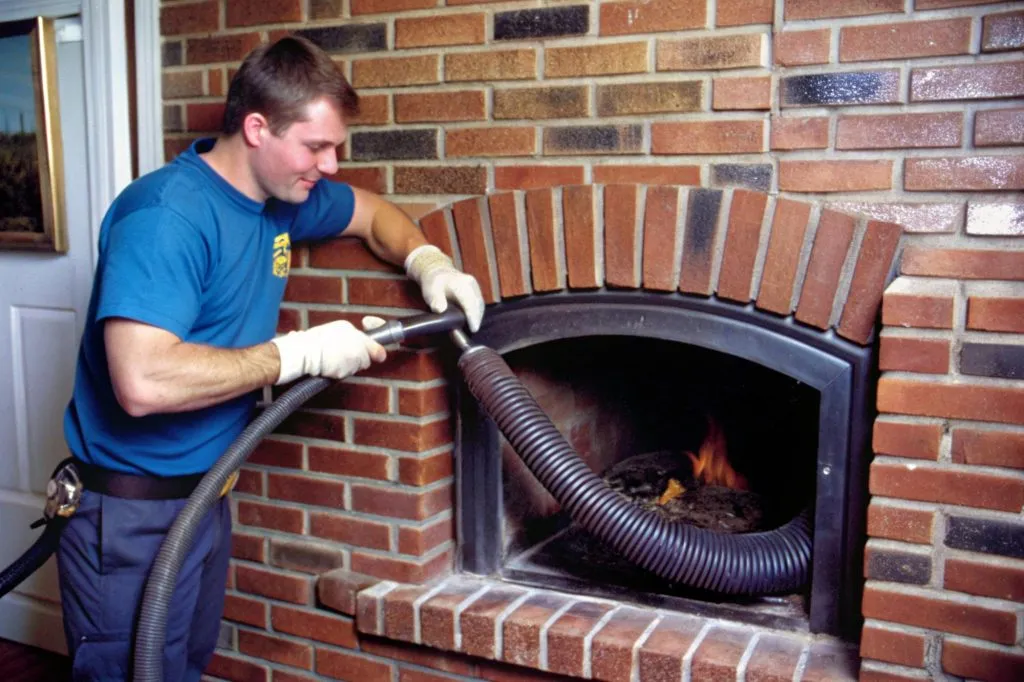
When the first cold snap hits and your furnace struggles to keep up, it is usually because small issues were ignored earlier in the season. A clear, step-by-step furnace maintenance checklist helps you catch those issues before they turn into no-heat emergencies. Instead of guessing what to look at or relying on last minute repairs, you follow the same set of tasks every year and know your system is ready.
On behalf of Applied Energy HVAC, this guide walks you through a practical furnace maintenance checklist designed for Ontario homes. You will see which items you can safely handle yourself, which tasks require a licensed technician, and how to time your maintenance so your family stays warm and safe all winter. By the end, you will have a repeatable plan that protects your comfort, your equipment, and your energy budget.
Why A Furnace Maintenance Checklist Matters
A well designed furnace maintenance checklist turns a complex heating system into a series of simple, manageable steps. Instead of waiting for strange smells, noises, or cold rooms to tell you something is wrong, you use the checklist to verify safety controls, airflow, filters, and thermostat operation ahead of winter. This approach prevents sudden failures, keeps temperature more even from room to room, and reduces the stress that comes with surprise breakdowns on the coldest nights of the year.
There is also a financial benefit. When you follow a furnace maintenance checklist, components run within their design limits, which extends their life and lowers the chance that you will need expensive emergency service. Clean burners and proper airflow improve efficiency, so you can often maintain comfort at the same thermostat setting while using less fuel. Over several seasons, that combination of fewer repairs and lower energy use adds up to significant savings.
Core Furnace Maintenance Checklist For Homeowners
Your technician will take care of deeper testing, but there are several important items on the furnace maintenance checklist that homeowners can handle safely. These small habits have a big impact on reliability. Think of them as the first line of defense, the things you do in early fall before the heating season really begins. By the time a professional arrives for the annual tune up, you already know the basics are in good shape.
The next sections outline the core homeowner steps that should appear on any furnace maintenance checklist. They focus on controls, filtration, and airflow, because those three areas determine how hard the furnace has to work. When they are set up correctly, the system reaches setpoint faster, cycles less often, and distributes heat more evenly throughout your home.
Check Thermostat And Basic Controls
Start your furnace maintenance checklist at the thermostat, because it is the user interface for your entire heating system. Confirm that the thermostat is set to “heat,” that the schedule matches your daily routine, and that the temperature reading feels accurate compared to the room. Replace batteries in battery powered models so they do not die on a cold night. If you have a smart thermostat, review its energy saving features and recovery times so the furnace does not have to work harder than necessary to catch up after long setbacks.
Replace Or Clean Furnace Filters
A clogged filter is one of the most common causes of comfort problems, high bills, and unnecessary service calls, which is why every furnace maintenance checklist should highlight it. Check your filter at least once a month during heavy use and replace it as soon as it looks loaded with dust. If you use a washable filter, clean and dry it fully before reinstalling. Always match the filter type and size to the furnace manufacturer’s recommendations so airflow stays within the correct range.
Inspect Vents, Registers, And Return Grilles
Airflow is the lifeblood of your system, so your furnace maintenance checklist must include a quick walk through to inspect supply registers and return grilles. Make sure they are open and not blocked by rugs, furniture, or curtains. Pay special attention to larger returns in hallways and living rooms, because closing or blocking them can raise system pressure and reduce efficiency. Take a moment to vacuum dust from grilles so air can move freely.
Professional Tasks On Your Furnace Maintenance Checklist
Some items on a furnace maintenance checklist require training, instruments, and safety procedures. These are the tasks that Applied Energy HVAC technicians perform during an annual tune up. They involve combustion testing, electrical checks, and inspection of hidden components that homeowners should not access on their own. When completed together, they form a comprehensive picture of how your furnace is performing under real operating conditions.
Scheduling a professional visit before winter ensures that more advanced items on the furnace maintenance checklist are addressed at a convenient time, rather than in the middle of a breakdown. Technicians can identify worn parts, verify temperature rise and static pressure, and fix small issues before they stress major components like blowers and heat exchangers. That proactive approach keeps your furnace safer and more efficient for the entire season.
Combustion And Safety Testing
A key part of the professional furnace maintenance checklist is verifying that combustion is safe and complete. Technicians check burners for proper flame shape, test flame sensors, and confirm gas pressure. They also inspect the heat exchanger and flue for signs of corrosion or cracks. Carbon monoxide risks and backdrafting are taken very seriously, so safety controls and venting are tested carefully to keep your home protected.
Electrical And Mechanical Checks
Mechanical and electrical components must work together smoothly, and they are another focus of the furnace maintenance checklist. Technicians examine blower motors, inducer motors, belts, and bearings, looking for wear, noise, or vibration. They tighten connections, test capacitors and relays, and ensure control boards operate correctly. Catching a weak capacitor or loose connection early can prevent a midwinter motor failure.
Ductwork And Airflow Balancing
Even if the furnace itself is healthy, restrictive ductwork can cause uneven temperatures and higher bills, which is why duct inspection appears on a comprehensive furnace maintenance checklist. Professionals measure static pressure, look for crushed or poorly supported ducts, and suggest adjustments where needed. In some homes, simple changes like adding a return or opening a closed damper can make a noticeable difference in comfort.
Seasonal Timing And Budgeting For Your Furnace Maintenance Checklist
Timing has a big impact on the success of your furnace maintenance checklist. The best window for a full tune up is early fall, before the first long heating run. During this period, technicians have more scheduling flexibility and can spend the right amount of time on diagnostics and cleaning. You also have room to plan any recommended repairs or upgrades before cold weather makes the furnace critical.
From a budgeting standpoint, spreading tasks across the year helps. Basic homeowner items on the furnace maintenance checklist cost little more than your time and a few filters, while professional service is a planned annual expense. By treating maintenance as a regular part of home ownership, rather than an emergency purchase, you can avoid surprise costs and extend the life of your equipment.
Fall And Pre Winter Maintenance Plan
Your fall plan should combine the homeowner steps and the professional furnace maintenance checklist visit. Replace filters, test thermostats, confirm registers are clear, and then book an inspection and tune up. This sequence ensures that the technician can focus on deeper testing instead of basic housekeeping, and it gives you a clean baseline for the rest of the season.
Mid Winter And Post Season Checks
Mid winter is a good time to revisit your furnace maintenance checklist. Check filters again, listen for new noises, and note any cold spots that have appeared. At the end of the season, shut the furnace down according to manufacturer instructions, clean the surrounding area, and make notes about any issues you want addressed during the next pre season visit. These habits make each year’s maintenance smoother and more effective.
Connecting Efficiency, Safety, And Education
A thoughtful furnace maintenance checklist does more than prevent breakdowns. It also improves efficiency and supports a safer, healthier home. Clean combustion reduces fuel waste and lowers the risk of harmful gases. Balanced airflow reduces drafts and hot-cold swings. When your system is tuned, you may be able to maintain the same comfort level at a slightly lower thermostat setting, which saves money without sacrificing warmth.
Good information helps you make better decisions about upgrades and envelope improvements that support your furnace maintenance checklist. Canadian resources such as Natural Resources Canada and the Government of Canada Energy Efficiency hub provide neutral guidance on insulation, air sealing, and heating equipment. These upgrades reduce heat loss, which means your furnace does not need to work as hard after maintenance is complete.
Government Resources To Support Your Furnace Maintenance Checklist
Two reliable sites are worth bookmarking as companions to your furnace maintenance checklist. Natural Resources Canada offers homeowner efficiency information, where you can learn about insulation levels, air sealing, and heating system choices. The Government of Canada also provides an Energy Efficiency hub that explains practical steps to reduce energy use. When you pair these ideas with regular furnace maintenance, you protect both your comfort and your budget.
Why Choose Applied Energy HVAC
Applied Energy HVAC uses a structured furnace maintenance checklist that goes far beyond a quick visual look. Our technicians measure temperature rise, static pressure, and combustion performance, then compare those numbers to manufacturer specifications. This instrumented approach lets us uncover the real causes of noise, uneven heat, or high bills and correct them before they lead to failures. We also explain our findings in plain language so you know exactly what was done and why it matters.
We understand that every home is different, so our furnace maintenance checklist is tailored to your equipment, ductwork, and comfort goals. Whether you rely on a high efficiency furnace, a hybrid system, or a setup that also supports air conditioning and indoor air quality products, we adjust our process accordingly. The result is a clean, safe, and efficient system that is ready for winter, backed by a team you can reach 24/7 for support.
Our Process For Your Furnace Maintenance Checklist
When you schedule service, we start with a discussion about your comfort concerns and recent utility bills, then we move through the furnace maintenance checklist step by step. We test controls, inspect heat exchangers, clean burners, verify airflow, and confirm safety devices. Before we leave, we review the results with you, provide recommendations if upgrades would add value, and answer questions about how to keep your system running at its best between visits.
Stay Warm With A Proven Furnace Maintenance Checklist
A reliable heating season does not happen by accident. It is the result of consistent attention to a well designed furnace maintenance checklist that treats safety, efficiency, and comfort as a single connected goal. By taking care of simple homeowner tasks and partnering with a professional team for deeper diagnostics, you greatly reduce the chances of waking up to a cold house and an urgent repair bill.
If you are ready to put a proven furnace maintenance checklist to work for your home, contact Applied Energy HVAC today. Call (416) 992 1163 or (416) 219 7723, or email info@aehvac.ca to schedule your tune up. We serve Toronto, Etobicoke, Markham, and Scarborough with thorough inspections, clear communication, and expert maintenance that keeps your furnace running smoothly all winter.
Frequently Asked Questions
1) How often should I follow a furnace maintenance checklist?
At minimum, you should complete a full furnace maintenance checklist once a year in early fall, along with quick filter checks every one to three months during heavy use. Some high efficiency systems and homes with pets or allergies benefit from more frequent inspections.
2) Can I skip professional service if I follow a furnace maintenance checklist myself?
Homeowner steps are important, but they do not replace combustion testing, electrical checks, or heat exchanger inspections. A complete furnace maintenance checklist combines what you can safely do on your own with an annual visit from a qualified technician.
3) Will using a furnace maintenance checklist lower my energy bills?
Yes, a well executed furnace maintenance checklist can improve efficiency by keeping airflow, burners, and controls within their optimal range. That means your furnace can often maintain your preferred temperature with fewer cycles and less fuel use.
4) What is the most important item on the furnace maintenance checklist?
For many homes, filter care is the single most critical item on the furnace maintenance checklist, because a clogged filter restricts airflow, stresses components, and drives up energy use. Safety tests and combustion checks are equally important from a risk standpoint.
5) How long does a professional furnace maintenance checklist visit take?
Most professional visits that follow a complete furnace maintenance checklist take between one and two hours, depending on system complexity and accessibility. Additional time may be needed if the technician finds issues that require repair.
6) Does a furnace maintenance checklist help extend equipment life?
Yes, regular use of a furnace maintenance checklist reduces wear on motors, controls, and heat exchangers. By catching problems early and keeping the system within design limits, you can often add several years to the useful life of your furnace.
7) What should I track from year to year on my furnace maintenance checklist?
Keep notes on filter changes, service dates, any repairs, and observations about noise or comfort. This history, attached to your furnace maintenance checklist, helps technicians spot patterns and make better recommendations about future maintenance or eventual replacement.