
Commercial HVAC Solutions: How to Lower Your Building’s Energy Bills
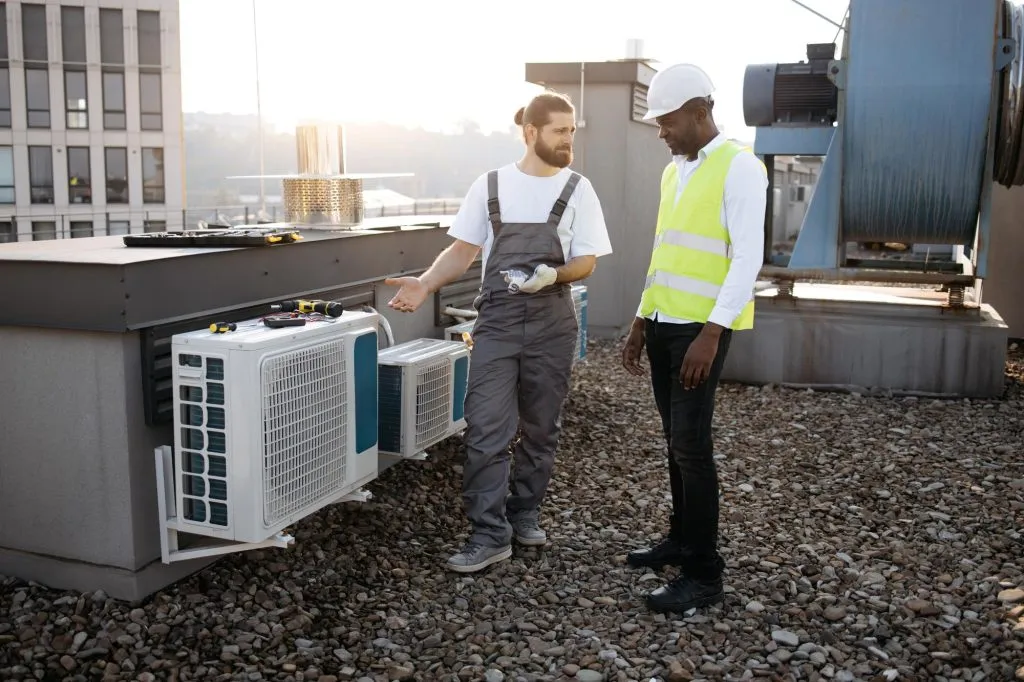
Energy costs are among the largest controllable expenses for offices, retail spaces, warehouses, and multi unit properties. When utility bills spike, owners often look first at lighting or plug loads, but heating and cooling usually account for the biggest share of consumption. Aging equipment, poor controls, and leaky ductwork quietly waste money every hour the system runs. Commercial HVAC solutions address these hidden losses by improving how your building uses energy, not only how much equipment you install. When systems are tuned correctly, tenants stay comfortable while bills trend downward instead of creeping up year after year.
Another reason costs rise is that buildings change over time. New tenants add servers, partitions move, and occupancy shifts between day and night, yet the original design remains untouched. A system that once matched the load now runs outside its ideal operating range. Thermostats are adjusted randomly, schedules drift, and equipment cycles more frequently than necessary. Thoughtful commercial HVAC solutions realign the system with how the building is used today. By combining better controls, maintenance, and sometimes targeted upgrades, you can recover efficiency that has slowly disappeared since the building opened.
How Modern Commercial HVAC Solutions Improve Efficiency
Modern commercial HVAC solutions start with measurement. Instead of guessing why certain zones are always too hot or too cold, technicians log temperatures, review run times, and examine trend data from building automation systems. This reveals where energy is being wasted, such as simultaneous heating and cooling, oversized equipment that short cycles, or ventilation rates that exceed what is required by code and occupancy. With a clear picture of system behavior, you can prioritize changes that deliver the largest reduction in energy use without sacrificing comfort or air quality.
Most buildings already have more capability than they use. Schedules may not reflect holidays or reduced occupancy, and sensors may be located where they do not accurately represent real conditions. Commercial HVAC solutions focus on recalibrating thermostats, optimizing start and stop times, and coordinating equipment so that systems work together rather than competing. Once these fundamentals are in place, owners can explore higher level improvements such as variable speed components and advanced heat recovery that further reduce operating costs.
Right Sized Equipment And Zoning
A key part of commercial HVAC solutions is ensuring that equipment size matches the actual load of each area. Oversized rooftop units and boilers cycle on and off more often, which wastes energy and causes uneven temperatures. In some cases, an existing unit can be reconfigured with better zoning and controls so that separate areas receive the heating or cooling they need without over conditioning the whole floor. By measuring loads and adjusting zoning, your building uses energy more efficiently and tenants experience fewer hot spots and drafts.
Controls, Sensors, And Building Automation
Controls are the brain of commercial HVAC solutions. Even older buildings can benefit from upgraded thermostats, occupancy sensors, and simple building automation packages that coordinate schedules and setpoints. When a conference room is empty, the system can relax temperature targets rather than holding full comfort conditions all day. Demand controlled ventilation can modulate outside air based on carbon dioxide levels, reducing the energy required to heat or cool fresh air while still maintaining indoor air quality. These control strategies quickly add up to meaningful savings.
Variable Speed Fans And Compressors
Another powerful element within commercial HVAC solutions is variable speed technology. Traditional constant speed fans and compressors operate at full power whenever they run, even when the building only needs a fraction of their capacity. Variable frequency drives on fans and pumps, along with inverter driven compressors, allow the system to ramp up and down as needed. Because fan power drops quickly at lower speeds, even modest reductions produce large energy savings. The result is quieter operation, longer equipment life, and lower utility bills.
Low Cost Steps To Optimize Existing Systems
Not every project requires new equipment or a large capital outlay. Many commercial HVAC solutions begin with low cost measures that improve performance quickly. For example, simply aligning thermostat schedules with occupancy can dramatically reduce after hours energy use. Inspecting and sealing ducts or air distribution boxes can eliminate leaks that force fans to work harder than necessary. Cleaning coils, verifying refrigerant charge, and calibrating sensors help existing units produce more heating and cooling with less effort. These housekeeping tasks may not be visible to tenants, but they are often the fastest path to lower bills.
Another important low cost strategy is education. Building operators and on site staff need clear guidance on how to respond to comfort complaints without defeating efficiency measures. Instead of overriding schedules or raising setpoints across the entire building, they can use zoning tools and diagnostics built into modern controls. Commercial HVAC solutions that include operator training and simple documentation maintain savings over time, rather than letting systems drift back to inefficient habits after the initial project is complete.
Operations Checklist For Every Season
An effective operations checklist supports commercial HVAC solutions by giving staff a repeatable routine. At the start of each heating or cooling season, operators can verify filters, inspect belts, test safety controls, and confirm that economizers and dampers move freely. A short mid season review catches issues before they become complaints.
- Confirm that all thermostats and sensors display realistic temperatures
- Review time schedules and holiday settings for accuracy
- Check filters, strainers, and coils for dirt or blockage
- Inspect rooftop units for debris, standing water, or damaged insulation
- Verify that exhaust and relief fans operate when intended
- Observe a full startup and shutdown sequence for key equipment
- Document any unusual noises or vibrations and schedule follow up
Maintenance Practices That Protect Your Investment
Regular preventive maintenance is at the heart of commercial HVAC solutions. Rather than waiting for equipment to fail during extreme weather, a planned program replaces wear items such as belts and contactors before they break. Lubrication, alignment, and testing extend the life of motors and fans. Combustion analysis on boilers and makeup air units ensures that fuel is burned safely and efficiently. When maintenance data is tracked year over year, it becomes easier to forecast when a unit is nearing the end of its life and when water treatment, coil replacement, or other interventions are needed.
Planning Capital Upgrades With Commercial HVAC Solutions
Eventually, every building reaches a point where maintenance alone cannot deliver the desired efficiency. At that stage, commercial HVAC solutions help owners plan capital upgrades that address both energy performance and long term reliability. The first step is a careful audit that looks at utility data, equipment age, and comfort issues. Using this information, Applied Energy HVAC can model how different upgrade options would affect energy use and costs. Owners can then prioritize projects that deliver the best return while aligning with their budget and leasing plans.
Upgrades might include replacing older constant volume rooftop units with modern high efficiency models, adding energy recovery ventilators to capture heat from exhaust air, or converting from electric resistance heat to more efficient heat pump technology. In multitenant buildings, commercial HVAC solutions may also involve reconfiguring systems so that each tenant has accurate submetering or direct control of their space. These changes improve fairness and encourage tenants to support your energy management goals because they see the direct impact of their behavior on their own bills.
Evaluating Retrofits, Replacements, And Add Ons
When planning significant work, owners often ask whether it is better to retrofit existing equipment, fully replace it, or add new components such as dedicated outdoor air systems. Each approach has advantages. Retrofits can extend the life of relatively young equipment by adding modern controls or variable speed drives. Full replacements generally provide the largest efficiency gains but require more capital. Add on systems can tackle specific issues like ventilation or dehumidification without changing core plant equipment. Commercial HVAC solutions weigh these choices using life cycle cost analysis so you can invest where it matters most.
Using Canadian Resources To Inform Investment
Independent information helps validate decisions about commercial HVAC solutions. Natural Resources Canada provides guidance on energy efficient buildings and equipment. The Government of Canada also offers a broad Energy Efficiency hub with tools and case studies. These resources explain best practices for building envelopes, controls, and mechanical systems, and they are valuable references when comparing upgrade proposals or exploring incentive programs that may offset project costs.
Why Choose Applied Energy HVAC
Commercial buildings are complex, and it takes experience to deliver commercial HVAC solutions that truly reduce energy use and keep occupants comfortable. Applied Energy HVAC brings that experience to every project, starting with a thorough review of your existing systems. Our team looks at utility history, comfort complaints, and control sequences to identify where energy is being wasted. We then present options that range from quick tune ups to phased capital improvements, always with clear estimates of savings and payback.
What sets our commercial HVAC solutions apart is the focus on measurement and verification. After changes are made, we track performance to ensure that promised savings are actually realized. If data shows that a system is not meeting expectations, we adjust controls or refine maintenance plans until it does. Building owners appreciate this commitment because it turns recommendations into proven results, not just paperwork. Applied Energy HVAC also offers ongoing service agreements so that system performance stays strong year after year.
Our Process For Commercial HVAC Solutions
Every project begins with listening. We discuss your financial goals, tenant needs, and future plans for the property. Then we design commercial HVAC solutions that respect those priorities, whether you manage a single mid rise office or a portfolio of mixed use properties. During implementation, our technicians coordinate with facility staff to minimize disruption and keep occupants informed. Once the work is complete, we review trend logs and utility data with you so you can see exactly how the building has improved. This collaborative process builds trust and creates a framework for future efficiency projects.
Turning Strategy Into Lower Energy Bills
Cutting energy costs in a commercial building is not about one miracle product. It is about using thoughtful commercial HVAC solutions that combine controls, maintenance, and targeted upgrades. When schedules are accurate, sensors are calibrated, and equipment is matched to real loads, your building uses energy only where and when it is needed. The result is a more comfortable indoor environment, fewer complaints, and more predictable operating expenses. Over time, these improvements can also support sustainability goals and enhance the value of your property.
If your utility bills keep rising or your equipment feels like it is always in crisis mode, now is the time to explore commercial HVAC solutions tailored to your building. Applied Energy HVAC can help you move from reactive repairs toward a proactive strategy that manages both comfort and cost. With a structured plan, clear metrics, and professional support, your building can deliver the performance your tenants expect while using much less energy each month.
Frequently Asked Questions
1) How do commercial HVAC solutions reduce energy use without sacrificing comfort?
Commercial HVAC solutions reduce waste by improving controls, airflow, and equipment operation. When systems run at the right speed, at the right time, and serve the right zones, they maintain stable temperatures with less energy. Better zoning and sensors make it possible to keep occupied spaces comfortable while relaxing conditions in unoccupied areas.
2) Are commercial HVAC solutions only for large office towers and malls?
No, commercial HVAC solutions apply to any non residential building, including small offices, medical clinics, retail stores, and light industrial facilities. The scale of the project changes, but the core ideas of measurement, control optimization, and maintenance improvements remain the same. Even modest buildings can see meaningful savings from small adjustments.
3) How quickly can I see results after implementing commercial HVAC solutions?
Some improvements, like schedule corrections and sensor calibration, can reduce energy use immediately. Others, such as installing variable speed drives or new equipment, may show their full benefit over several billing cycles. In most cases, building owners see lower bills and fewer comfort complaints within the first season after implementing commercial HVAC solutions.
4) Do commercial HVAC solutions always require new equipment?
Not always. Many commercial HVAC solutions focus on optimizing existing systems through better controls, maintenance, and minor retrofits. New equipment is considered when existing units are near the end of their life, significantly inefficient, or unable to meet comfort or ventilation requirements even after optimization.
5) How do I know which commercial HVAC solutions will give the best return on investment?
A professional assessment compares the cost of each measure with the expected savings and other benefits, such as improved reliability or indoor air quality. Commercial HVAC solutions are then prioritized based on payback period, impact on tenants, and alignment with your capital plan. This approach ensures that you invest in the measures that deliver the greatest value first.
6) Can commercial HVAC solutions help me meet sustainability or ESG goals?
Yes, commercial HVAC solutions that lower energy use directly reduce greenhouse gas emissions associated with building operation. Documented improvements can support sustainability reporting, green building certifications, and broader ESG strategies. They also demonstrate a commitment to responsible property management to tenants and investors.
7) How should I get started with commercial HVAC solutions for my building?
Begin by gathering recent utility bills and any records of comfort complaints or major repairs. Then schedule a consultation with a qualified provider of commercial HVAC solutions, such as Applied Energy HVAC. With that information, they can perform a focused assessment and propose a phased plan that fits your budget and energy goals.