
Why Commercial HVAC Efficiency Is Key To Lowering Your Building Energy Bills?
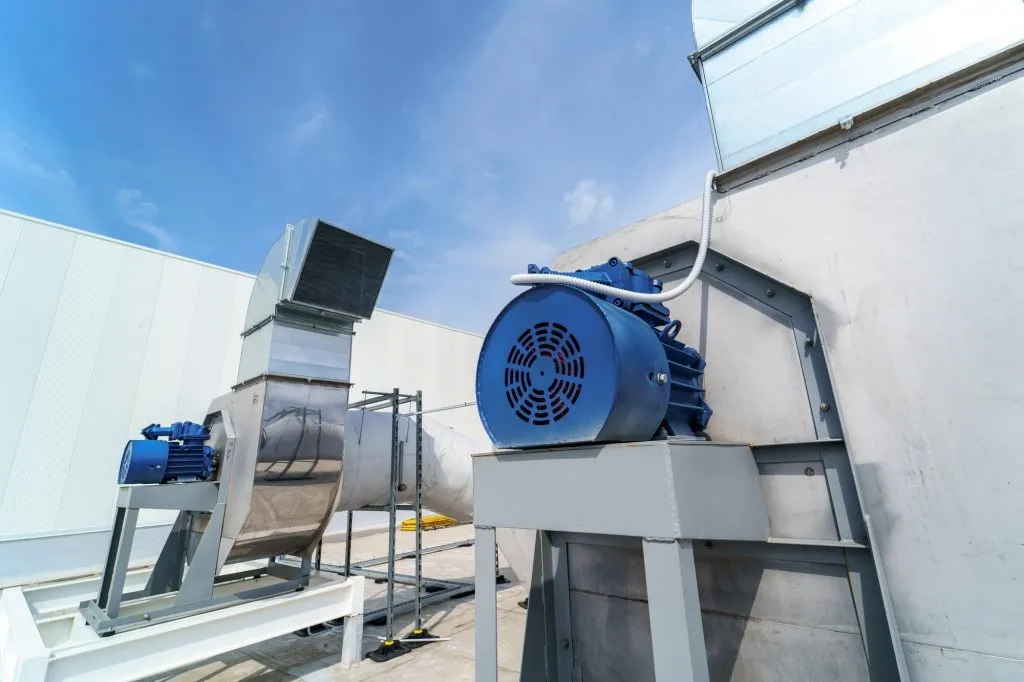
Commercial buildings do not waste energy because owners do not care. They waste energy because HVAC systems are complex, loads change daily, and small efficiency losses stack up into big monthly bills. When fans run harder than they should, when boilers short-cycle, when controls fight each other, and when ventilation is not balanced, your utility costs quietly climb. Improving commercial HVAC efficiency is one of the most direct ways to lower operating expenses while protecting comfort, indoor air quality, and equipment lifespan.
At Applied Energy HVAC, we help building owners, property managers, and facility teams take a practical approach to commercial HVAC efficiency. That means finding the hidden drivers of energy use, prioritizing upgrades with measurable impact, and maintaining performance over time. If you want lower energy bills without guesswork, commercial HVAC efficiency needs to be treated as a core business strategy, not a one-time tune-up.
What Commercial HVAC Efficiency Really Means In A Commercial Building
Commercial HVAC efficiency is not just “buy a high-efficiency unit” and hope for the best. In real buildings, commercial HVAC efficiency is the combined result of equipment condition, control strategy, distribution performance, ventilation rates, occupant behavior, and how well the system matches the building’s actual load profile. A perfectly rated rooftop unit can still waste money if it is oversized, poorly commissioned, or running on a schedule that ignores when the building is actually occupied.
The best way to think about commercial HVAC efficiency is to treat it like a chain. Every weak link reduces overall performance. Duct leakage, dirty coils, stuck dampers, drifting sensors, low refrigerant, scaling in hydronic loops, and poor zoning can all lower commercial HVAC efficiency even if the equipment is relatively new. When you optimize the entire chain, you lower energy bills, reduce complaint calls, and get more years out of your capital investment.
The Difference Between Rated Efficiency And Real-World Performance
Manufacturers publish rated performance under specific test conditions, but your building rarely matches those conditions for long. Real-world commercial HVAC efficiency depends on how the system operates across varying outdoor temperatures, changing occupancy, shifting internal heat gains, and different ventilation needs throughout the day. If the controls are not tuned to those realities, runtime increases and energy costs rise.
Where Efficiency Losses Usually Hide
Efficiency losses often show up in places most teams do not track daily, such as economizer faults, simultaneous heating and cooling, excessive outside air, poor static pressure control, and uncalibrated thermostats or sensors. These issues can quietly cut commercial HVAC efficiency for months because the system still “works” from a comfort perspective. Fixing them is often faster and less expensive than major replacement, and it delivers immediate savings.
How HVAC Energy Waste Shows Up In Your Monthly Utility Bills
Energy bills reflect a pattern: when HVAC runs longer, harder, and less predictably, costs go up. In many commercial sites, HVAC is one of the largest controllable loads, so improving commercial HVAC efficiency often produces noticeable results even without major renovation. The key is to connect what the bill is telling you with what the system is doing, then correct the causes, not just the symptoms.
A common problem is that building teams react to comfort complaints by overriding schedules, lowering setpoints, or increasing airflow. Those actions may solve a short-term issue, but they often reduce commercial HVAC efficiency by forcing equipment to operate outside of its best range. The result is higher peak demand, increased wear on motors and compressors, and a bigger bill that becomes “normal” over time.
Peak Demand And Why It Matters
Peak demand charges can be a major cost driver for commercial buildings. When your HVAC system spikes power draw during the hottest or coldest periods, demand charges increase, even if total energy use stays similar. Improving commercial HVAC efficiency can reduce those peaks through better staging, smarter schedules, and controls that avoid sudden load jumps.
The Role Of Short Cycling And Oversizing
Oversized equipment tends to short-cycle, meaning it starts and stops frequently rather than running steadily. Short cycling reduces commercial HVAC efficiency because each start-up is less efficient and causes extra wear. It also creates temperature swings and humidity issues that lead to more overrides and more runtime, which keeps pushing costs upward.
The Most Common Reasons Commercial HVAC Efficiency Drops Over Time
Commercial HVAC efficiency declines when systems drift away from their designed operating conditions. Filters load up, belts loosen, coils foul, dampers stick, sensors drift, and valves do not fully close. None of these failures may cause a complete breakdown, but together they create a constant energy penalty that shows up in your bills month after month.
Another major factor is change. Buildings change tenants, layouts, and operating hours, but HVAC schedules and zoning often stay the same. When the building’s use changes and the system does not adapt, commercial HVAC efficiency suffers. The solution is not always replacement. In many cases, a targeted recommissioning process and a control strategy update can restore performance quickly.
Maintenance Gaps That Create Hidden Energy Penalties
Deferred maintenance can be expensive in ways that are not obvious. A dirty heat exchanger, fouled condenser coil, or neglected hydronic loop can reduce heat transfer and force longer runtimes. These issues reduce commercial HVAC efficiency and can also shorten equipment life, increasing long-term capital costs.
Airflow Problems And Static Pressure Issues
Fans are a major energy user in many commercial HVAC systems. When ducts are restricted, filters are clogged, or static pressure setpoints are too high, fan energy skyrockets. Correcting airflow problems often improves comfort and commercial HVAC efficiency at the same time because the system delivers the right air to the right places with less effort.
Practical Steps That Improve Commercial HVAC Efficiency Without A Full Replacement
You do not always need a brand-new system to see meaningful savings. Many of the best commercial HVAC efficiency gains come from operational improvements, control adjustments, and fixing components that are failing quietly. A smart approach starts with measurement and prioritization so you address the issues that matter most to your building’s unique load.
Natural Resources Canada provides resources for improving energy performance in existing buildings, including guidance that can help owners understand where HVAC strategies influence overall building energy use. Using credible guidance alongside on-site diagnostics helps facility teams make decisions that improve commercial HVAC efficiency with less trial and error.
Quick Efficiency Wins Facility Teams Often Overlook
Below are common “quick wins” that can improve commercial HVAC efficiency when applied correctly and verified after changes:
- Recalibrate space temperature sensors and verify thermostat placement
- Fix economizer issues and confirm outside air dampers modulate properly
- Reduce excessive static pressure setpoints and rebalance airflow
- Clean coils and replace filters on a schedule matched to your site conditions
- Tighten schedules to actual occupancy and eliminate after-hours overrides
- Repair leaking valves, traps, and hydronic issues that force extra boiler runtime
- Confirm heat pump and VRF systems are not fighting zones or running unnecessary reheats
Commissioning And Recommissioning For Measurable Results
Commissioning is the process of verifying that equipment, controls, and sequences operate as intended. Recommissioning applies the same idea to existing systems that have drifted. This is one of the highest-impact ways to improve commercial HVAC efficiency because it targets operational waste that replacement alone does not solve.
Controls Optimization And Smarter Scheduling
Modern control strategies can significantly improve commercial HVAC efficiency by reducing runtime and avoiding simultaneous heating and cooling. Better scheduling, supply air temperature reset, demand-controlled ventilation where appropriate, and correct staging of equipment can lower energy use while maintaining comfort. The best approach is to tune these strategies to your building, then verify results with trend data and meter readings.
Equipment Upgrades That Deliver The Biggest Efficiency Gains
When replacement is necessary, the goal is to match the right technology to the building’s load profile and operating hours. The highest commercial HVAC efficiency gains often come from right-sizing, using variable-speed components, and choosing systems that modulate smoothly rather than cycling on and off. Equipment that can run efficiently at part load is especially valuable because most buildings operate at part load for much of the year.
Benchmarking and tracking performance over time also matters. Natural Resources Canada supports ENERGY STAR Portfolio Manager as a national benchmarking tool for building energy performance. When you track performance, you can verify whether upgrades actually improve commercial HVAC efficiency and you can catch drift early before costs rise again.
Heat Pumps, Boilers, And Hybrid Strategies In Commercial Buildings
Heat pump technology continues to expand in commercial applications, especially when paired with smart controls and proper design. Hybrid strategies can also be effective, such as combining heat pumps for moderate conditions with boilers for peak loads, depending on building needs. The best system design considers local climate, building envelope, occupancy patterns, and your comfort requirements so commercial HVAC efficiency improves in real operating conditions.
If you manage mixed-use buildings or facilities with both office and light industrial loads, it can help to think in service categories and system types. Applied Energy HVAC supports common needs through Heat Pump Repair & Installation, Boiler Repair & Installation, and Furnace Repair & Installation, which can be relevant in many commercial sites depending on equipment type and heating distribution.
Cooling Efficiency And The Role Of Air Conditioning Performance
Cooling loads can drive major summer bills, especially in buildings with high internal gains, poor shading, or long operating hours. Improving commercial HVAC efficiency on the cooling side often involves coil cleanliness, refrigerant charge accuracy, condenser airflow, and control strategies like supply air temperature reset. For buildings that rely on conventional cooling equipment, Air Conditioner Repair & Installation is often a practical service touchpoint that supports performance and reliability.
Variable Speed Drives And Why They Matter
Variable speed drives can reduce energy use by letting fans and pumps operate at the lowest speed that still meets demand. Because fan and pump power can drop significantly as speed decreases, these upgrades can improve commercial HVAC efficiency quickly in systems that were previously constant volume or poorly controlled. The key is proper setup, correct sensors, and verification after installation.
How Indoor Air Quality And Ventilation Affect Efficiency
Many building teams assume that better ventilation always increases costs, but the reality is more nuanced. Proper ventilation and balanced airflow can improve comfort and reduce complaints, which reduces overrides and unplanned runtime. In other words, good indoor air quality can support commercial HVAC efficiency when ventilation is controlled correctly and matched to occupancy.
Poor ventilation control can waste energy in both heating and cooling seasons. If outside air is excessive, you pay to heat or cool air that you did not need. If ventilation is too low, air quality issues can cause discomfort and productivity concerns, leading to manual overrides that reduce commercial HVAC efficiency. The goal is to deliver the right amount of outside air, at the right times, with equipment operating smoothly.
Demand-Controlled Ventilation And Smart Sensors
Demand-controlled ventilation uses sensors, often CO2-based, to adjust outside air based on occupancy. In appropriate applications, this can improve commercial HVAC efficiency by reducing unnecessary ventilation during low occupancy periods while maintaining indoor air quality targets. The system must be commissioned and maintained so sensors remain accurate and control sequences remain stable.
Energy Recovery And Heat Recovery Options
Energy recovery ventilators and heat recovery strategies can reduce the cost of conditioning ventilation air. In cold climates, recovery can significantly reduce heating loads, and in some cases it can also help with cooling season performance. When applied correctly, these strategies improve commercial HVAC efficiency while supporting healthier indoor air.
How To Build A Long-Term Efficiency Plan That Stays On Track
One of the biggest mistakes building owners make is treating efficiency like a one-time project. Commercial HVAC efficiency is an ongoing performance goal. Systems drift, tenants change, and operating hours evolve. A long-term plan includes routine maintenance, periodic recommissioning, and clear metrics that tell you whether performance is improving or slipping.
A practical plan starts with a baseline. Review utility bills, gather equipment lists, document schedules, and identify comfort problem areas. Then prioritize actions: no-cost control changes, low-cost repairs, and capital upgrades. When you treat commercial HVAC efficiency as a continuous improvement process, you protect savings year after year and reduce surprise failures that disrupt operations.
Measurement, Verification, And Benchmarking
You do not need a complex analytics platform to begin. Even basic trend logs from a building automation system can show issues like short cycling, temperature hunting, and after-hours runtime. Pair those insights with utility tracking or benchmarking tools, and you can turn commercial HVAC efficiency into a measurable objective rather than a guess.
Training Staff And Setting Clear Operating Standards
Facility teams often inherit systems with no documentation and inconsistent setpoints. Training and standards make a big difference. When everyone understands schedules, setpoints, and how to respond to comfort issues, you reduce random overrides that lower commercial HVAC efficiency. The result is more consistent comfort and more predictable energy costs.
Why Choose Applied Energy HVAC
Applied Energy HVAC brings a practical, field-tested approach to commercial HVAC efficiency, built on decades of hands-on experience in Toronto and surrounding areas. We focus on solutions that match your building type, your occupancy patterns, and your budget, so you can reduce energy waste without compromising comfort. Our team looks beyond quick fixes and aims for stable performance, clear communication, and work that holds up after the season changes.
Whether you need targeted repairs, system optimization, or equipment upgrades, Applied Energy HVAC can support a complete efficiency plan with 24/7 emergency availability and straightforward recommendations. If your building uses hydronic systems, boilers, furnaces, heat pumps, or conventional cooling equipment, we help you connect the right service to the right goal. That often includes Boiler Repair & Installation, Heat Pump Repair & Installation, Furnace Repair & Installation, and Air Conditioner Repair & Installation, all coordinated with a focus on long-term commercial HVAC efficiency and measurable operating savings.
Make Commercial HVAC Efficiency A Business Advantage
Lowering energy bills is not only about cutting costs. It is about running a better building. When commercial HVAC efficiency improves, comfort becomes more consistent, equipment lasts longer, and facility teams spend less time reacting to problems. The monthly bill becomes more predictable, and your building becomes easier to manage.
If you are ready to reduce energy waste and strengthen performance, Applied Energy HVAC is here to help. Start with a system assessment, identify the biggest drivers of your energy use, and implement improvements that deliver real results. Commercial HVAC efficiency is one of the most powerful levers you can pull to protect your operating budget and improve building performance across every season.
Frequently Asked Questions
What is commercial HVAC efficiency and why does it matter for building owners?
Commercial HVAC efficiency describes how effectively your HVAC system delivers heating, cooling, and ventilation with the least possible energy waste, which directly impacts monthly utility costs.How often should I assess commercial HVAC efficiency in a commercial building?
At minimum, review performance seasonally and do a deeper assessment annually, especially if you notice higher bills, more comfort complaints, or longer runtimes.Can maintenance alone improve commercial HVAC efficiency without replacing equipment?
Yes. Cleaning coils, correcting airflow, fixing controls, and repairing failing components often improves commercial HVAC efficiency significantly, even on older systems.What are the fastest ways to improve commercial HVAC efficiency in an occupied building?
Scheduling fixes, economizer repairs, sensor calibration, static pressure optimization, and recommissioning are often the fastest improvements with minimal disruption.Does better ventilation always reduce commercial HVAC efficiency?
Not always. Proper ventilation control can support comfort and reduce overrides, and smart strategies like demand-controlled ventilation can improve commercial HVAC efficiency.How do I measure whether commercial HVAC efficiency improvements are working?
Track utility bills, monitor runtime and control trends, and use benchmarking tools when possible. Comparing before-and-after data is the best proof.When should I consider replacing equipment to improve commercial HVAC efficiency?
Consider replacement when repair costs rise, equipment short-cycles due to oversizing, parts are obsolete, or the system cannot meet comfort needs efficiently even after optimization.